From National Jokes to National Treasures: The Remarkable Journey of Take That
A groundbreaking new Netflix documentary provides the most comprehensive examination yet of the extraordinary saga surrounding one of Britain's most iconic boybands. Director David Soutar, renowned for his acclaimed Bros documentary, offers unprecedented access to the band's turbulent history, revealing previously untold stories of jealousy, insecurity, and ultimate redemption.
The Director's Vision: Trust and Transparency
Unlike many contemporary music documentaries, the current Take That lineup – Gary Barlow, Howard Donald, and Mark Owen – relinquished creative control to Soutar. This represented a significant gamble, particularly given the director's reputation for uncompromising honesty demonstrated in his previous work. Soutar explains the necessity of this approach, stating that audiences can immediately detect when artists maintain editorial influence over their portrayal.
"We told them from the outset they needed to be brave enough to hand us their story," Soutar reveals. "Let us be the curators of your tale. That's the only way this ever truly works." Despite Robbie Williams having previously received extensive documentary coverage, the series maintains remarkable balance, ensuring every band member's perspective receives proper consideration.

Revisiting Painful Memories
The documentary required Barlow and his bandmates to confront deeply uncomfortable memories, including the devastating collapse of their initial success and the painful aftermath of their separation. Every crushing low receives unflinching examination – from failed solo careers to relentless media mockery targeting Barlow's weight.
Soutar admits there was a "sadistic" satisfaction in witnessing how the final edit evoked the band's original emotions. "They said it was tricky to relive those moments," he acknowledges. "They all worked tremendously hard to reach their current positions, both personally and professionally." The documentary originally planned as a two-part series expanded to three episodes when Soutar recognized the impossibility of compressing thirty-five years and five complex characters into just two hours.
The Formative Years: Building a Boyband Blueprint
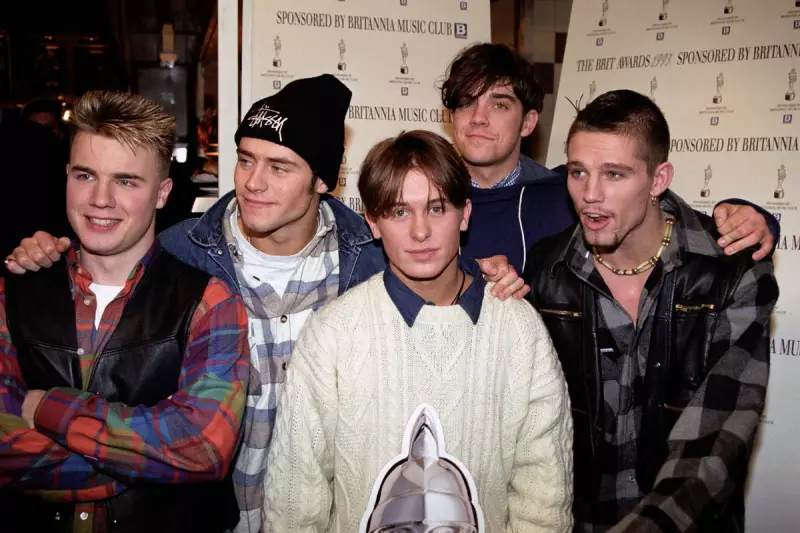
Episode one transports viewers back to 1990 Manchester, where manager Nigel Martin-Smith assembled five fresh-faced young men as Britain's answer to New Kids on the Block. The documentary reveals how Take That essentially invented the modern manufactured boyband formula that countless groups would later emulate.
"Everyone now knows the formula, but Take That invented it," Soutar emphasizes. The series utilizes remarkable archival footage, much discovered in an Ikea bag containing tapes primarily filmed by Howard Donald himself. "They had a videographer before anyone else!" Soutar marvels.
The band's early strategy involved targeting school assemblies and under-eighteen events, with hilarious footage showing them performing before bewildered children and teachers. Their breakthrough came with the provocative single "Do What You Like", featuring a risqué music video promptly banned from daytime television but securing them a crucial record deal.
Cracks in the Foundation
Even during their meteoric rise, tensions simmered beneath the surface. Jealousy grew regarding Barlow's privileged status within the group, particularly from Robbie Williams, who craved equal recognition from their manager. The constant screaming fans and loss of privacy began taking their toll, with Williams visibly disengaging during performances despite the band achieving massive success with hits like "Back for Good".
Williams' departure in July 1995, following an ultimatum from his bandmates, triggered the group's disintegration. The documentary painfully chronicles Barlow's humiliation as Williams achieved spectacular solo success with "Angels" while Barlow faced public mockery, professional rejection, and personal struggles including binge-eating and bulimia.

Individual Struggles and Collective Trauma
Each band member confronted profound challenges during their separation. Howard Donald described transitioning from stage "superhero" to depressive anonymity, even contemplating suicide. Jason Orange attempted acting before abandoning the profession, while Mark Owen was dropped after just one solo album.
"One of the huge things I realized was just how brave they were with the treatment they had from the press," Soutar reflects. "It was brutal – we know that – but they didn't have to try again. They could have given up."
The Triumphant Return
Episode three documents the band's remarkable 2005 comeback without Williams, featuring chart-topping hits like "Rule the World", "Greatest Day", and "Patience". The reunion required difficult conversations, including parting ways with their original manager to establish a fresh creative direction.
"I wanted it to feel good for everyone," Barlow admits with characteristic candor. "I suppose that was new. I didn't really care about anybody else in the Nineties, I just wanted it to be alright for me."
The emotional 2010 reconciliation with Williams produced the album "Progress", one of the century's fastest-selling records. Barlow describes resolving longstanding issues in just twenty-five minutes, finally laying to rest ghosts that had haunted them for years.
A Newfound Purpose and Legacy
Footage of the band collaborating in the studio reveals Take That operating with renewed purpose and mutual respect. "We needed to come back as equals," Mark Owen observes, highlighting their evolved dynamic.
Soutar summarizes their extraordinary transformation: "The third episode was really the journey from national jokes to national treasures. The British public and press do not let anyone do that. And somehow, probably because they were brave enough to do it, and they were human enough, it happened."
The documentary ultimately reveals how these five individuals discovered they're stronger together than apart, navigating three decades of fame, failure, and redemption to emerge as beloved national institutions.