Quentin Tarantino's Outspoken Nature Sparks New Feud with Rosanna Arquette
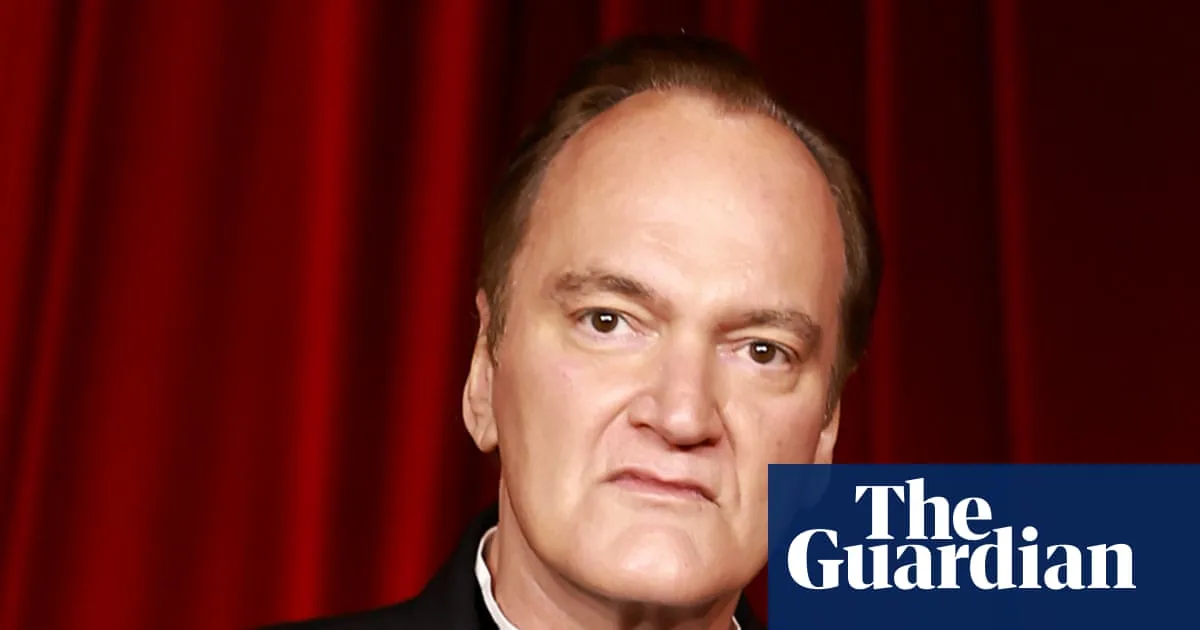
While many of Hollywood's most celebrated directors prefer to let their cinematic works speak for themselves, Quentin Tarantino has consistently carved out a reputation as the film industry's most vocal and confrontational auteur. Despite an impressive collection of Academy Awards, BAFTAs, and Golden Globes, the 62-year-old filmmaker frequently finds himself at the centre of public disputes and controversies.
Rosanna Arquette's Criticism and Tarantino's Fiery Response
This week, Tarantino pushed back forcefully after actress Rosanna Arquette, 66, labelled his repeated use of the N-word in films like Pulp Fiction as "racist and creepy." In a statement to the Daily Mail, the two-time Oscar-winner implied that Arquette's remarks were a cynical attempt to chase clout and gain media attention.
Tarantino accused Arquette of a "decided lack of class" for publicly criticising his work decades after he employed her in the 1994 classic. He pointedly questioned whether the publicity from over 130 media outlets covering her comments was worth what he perceived as disrespect towards him and the film she once eagerly participated in.
The director emphasised that there should be an "esprit de corps" between artistic colleagues, referring to a shared spirit of enthusiasm and honour within creative groups. Tarantino concluded his statement with a sarcastic "Congratulations - Q," suggesting Arquette had achieved her presumed objective of generating headlines.
Arquette's Stance on Racial Language in Cinema
In her interview with The Sunday Times, Arquette acknowledged Pulp Fiction as "iconic" and "a great film on a lot of levels," but expressed strong disapproval of Tarantino's liberal use of racial slurs, which appear approximately twenty times in the movie. She stated plainly, "Personally I am over the use of the N-word - I hate it."
Arquette argued that Tarantino's auteur status should not grant him a "hall pass" to use such language freely, asserting that "It's not art, it's just racist and creepy." This exchange represents just one chapter in Tarantino's long history of public clashes with fellow industry figures.
Tarantino's Broader History of Hollywood Confrontations
The Arquette dispute follows several other notable incidents where Tarantino has publicly criticised peers:
- Paul Dano: In December, Tarantino described Dano's performance in There Will Be Blood as "weak sauce" and claimed it significantly hampered the film's quality, suggesting Austin Butler would have been superior in the role.
- Owen Wilson and Matthew Lillard: Tarantino bluntly stated "I don't care for Owen Wilson, I don't care for Matthew Lillard" during a podcast appearance, despite Wilson starring in one of his favourite films, Midnight in Paris.
- Family Conflict: Tarantino has maintained a childhood vow to never share his $120 million fortune with his mother, Connie, after she mocked his writing ambitions at age twelve, only assisting her with an IRS issue while refusing larger financial support.
Controversial Remarks and Historical Feuds
Tarantino's confrontational history extends beyond recent years into more controversial territory:
- Roman Polanski Defense: In 2003, Tarantino passionately defended Polanski on Howard Stern's show, arguing the director's statutory rape case "was not rape" and claiming the victim "was down to party." These comments resurfaced during the #MeToo movement, drawing criticism from actors like Busy Philipps and Olivia Munn.
- David Letterman Threat: Talk show host David Letterman revealed in 2020 that Tarantino once threatened to beat him to death with a bat after Letterman joked about one of Tarantino's ex-girlfriends, requiring intervention from producers.
- Kanye West Dispute: Rapper Kanye West claimed Tarantino stole the idea for Django Unchained from him, though Tarantino firmly denied this on Jimmy Kimmel Live, explaining they had discussed a different concept for a music video.
- Bruce Lee Portrayal: Shannon Lee, daughter of martial arts legend Bruce Lee, criticised Tarantino's "inaccurate and unnecessary" portrayal of her father in Once Upon a Time in Hollywood, to which Tarantino responded with vulgar dismissal.
Throughout his career, Quentin Tarantino has demonstrated that his willingness to engage in public feuds matches the intensity of his filmmaking. From racial language debates to personal vendettas and professional criticisms, the director's outspoken nature continues to generate as much discussion as his acclaimed cinematic works.