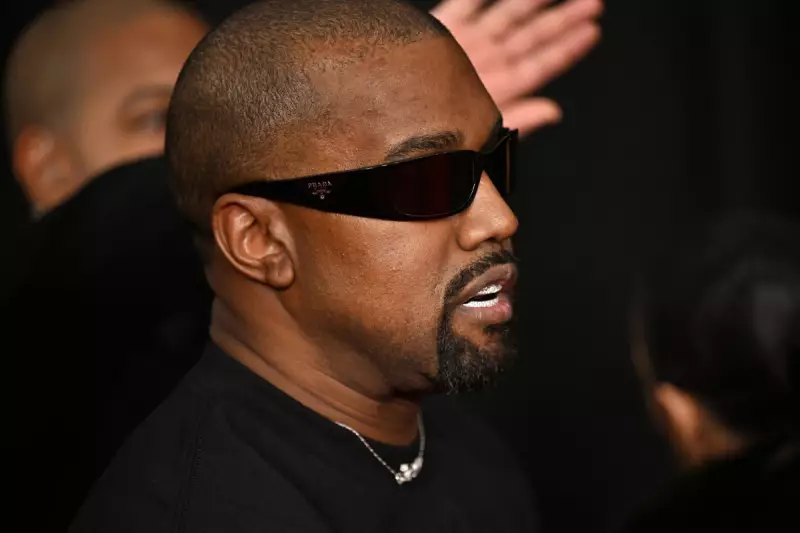
In a dramatic public mea culpa, the artist formerly known as Kanye West has issued a lengthy written apology for years of offensive behaviour, including antisemitic rants, just days before the release of his new album. The rapper, who now legally goes by Ye, placed a full-page advertisement addressed "To Those I've Hurt" in Monday's edition of The Wall Street Journal, seeking to explain and atone for his actions.
A Neurological Explanation for Erratic Conduct
The 48-year-old Grammy winner pointed to a near-fatal car accident in 2002 as the root cause of his recent troubling conduct. Ye wrote that the crash, which occurred twenty-five years ago, broke his jaw and caused significant injury to the right frontal lobe of his brain. He claimed that while the immediate physical trauma was treated, the deeper neurological damage went unnoticed for decades.
"The possibility of a frontal-lobe injury did not come up until I was later diagnosed with one in 2023," Ye stated in his open letter. He elaborated that this brain injury compounded his existing struggle with bipolar disorder, a condition he was diagnosed with in 2016 during his marriage to Kim Kardashian.

The Intersection of Brain Injury and Bipolar Disorder
Ye described his experience with bipolar type-1 disorder in vivid detail, characterising it as possessing a powerful "defense system" built on denial. "When you're manic, you don't think you're sick. You think everyone else is overreacting," he wrote. The artist confessed to feeling "unstoppable" during these episodes, making the acceptance of needing help nearly impossible.
This mental state, exacerbated by the undiagnosed brain injury, led to what he called "disconnected moments" and "an out-of-body-experience." It was during these periods, he claims, that he gravitated toward destructive symbols and made profoundly offensive statements.
Confronting the Antisemitic Legacy
The rapper did not shy away from addressing his most controversial actions head-on. He expressed deep regret for his antisemitic public rants and specifically mentioned creating and selling T-shirts bearing swastikas. "I regret and am deeply mortified by my actions in that state," Ye wrote, while firmly asserting, "I am not a Nazi or an antisemite. I love Jewish people."
He emphasised that his neurological explanation does not excuse his behaviour, stating clearly that he is committed to "accountability, treatment, and meaningful change." This public apology follows a private meeting with a New York rabbi in November 2025, during which Ye reportedly expressed "profound remorse" and claimed to be taking accountability for his past actions.
A Descent to Rock Bottom and the Path to Recovery
Ye revealed that his mental health struggles reached a critical point in early 2025, when he experienced a four-month manic episode characterised by psychotic, paranoid, and impulsive behaviour that he said "destroyed my life." The situation became so severe that he admitted, "there were times I didn't want to be here anymore."
It was only after hitting this "rock bottom" that he was encouraged by his wife, Bianca Censori, to finally seek professional help. This intervention marked a turning point, leading to the newfound clarity expressed in his public statement.
Timing and Broader Context
The carefully timed apology arrives just four days before the scheduled release of his upcoming album, Bully, raising questions about the relationship between personal redemption and professional promotion. Representatives for Ye did not immediately respond to requests for comment regarding the timing or content of the advertisement.
Beyond addressing the Jewish community, Ye also extended apologies to the Black community before concluding his message with a plea to his fans. He asked for "patience and understanding as I find my way home," expressing determination to earn forgiveness through sustained change.

This public reckoning represents the most comprehensive explanation Ye has offered for behaviour that has alienated fans, business partners, and cultural observers in recent years. Whether this marks a genuine turning point or a strategic repositioning remains to be seen as the artist navigates both his mental health journey and his return to the public eye with his new musical release.