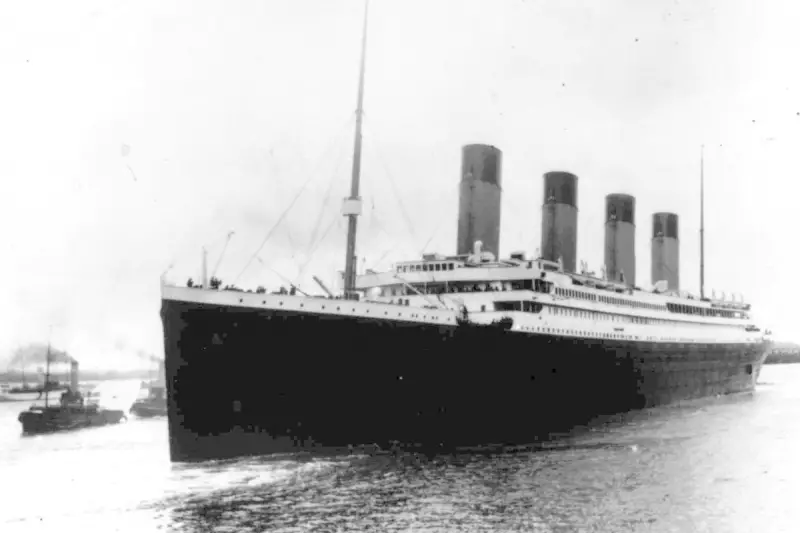
Acclaimed filmmaker James Cameron, who directed the 1997 Oscar-winning epic 'Titanic', has detailed a chillingly pragmatic strategy for surviving the historic maritime disaster. He proposed a hypothetical scenario in which a modern individual is transported back in time and finds themselves trapped aboard the ill-fated liner.
The Director's Hypothetical Survival Tactic
Cameron's plan hinges on decisive, early action. He suggests that the best chance of survival would be to jump into the freezing North Atlantic waters early in the sinking, positioning oneself directly beside a lifeboat as it is being lowered. His reasoning is psychological as much as it is practical.
He believes that while the Titanic was still visibly afloat, the human instinct of both passengers and crew in the lifeboats would be to rescue someone in the water rather than watch them drown. This window of opportunity, he implies, would close once the ship vanished beneath the waves and sheer panic and self-preservation took over.

Why Lifeboat 'Boat Four' Was the Key
In his analysis, Cameron didn't just recommend any lifeboat. He specifically identified 'Boat four' as the optimal choice for this daring manoeuvre. Historical records show that Boat 4 was one of the wooden cutters launched from the port side and was involved in several notable rescue events during the actual disaster, lending credence to Cameron's selection based on his extensive research for his film.
The director's unique perspective, forged through years of studying the ship's final hours, transforms a historical tragedy into a gripping thought experiment on human behaviour and survival instinct. His strategy moves beyond mere historical recounting into a stark assessment of the split-second decisions that meant the difference between life and death on that fateful night in April 1912.