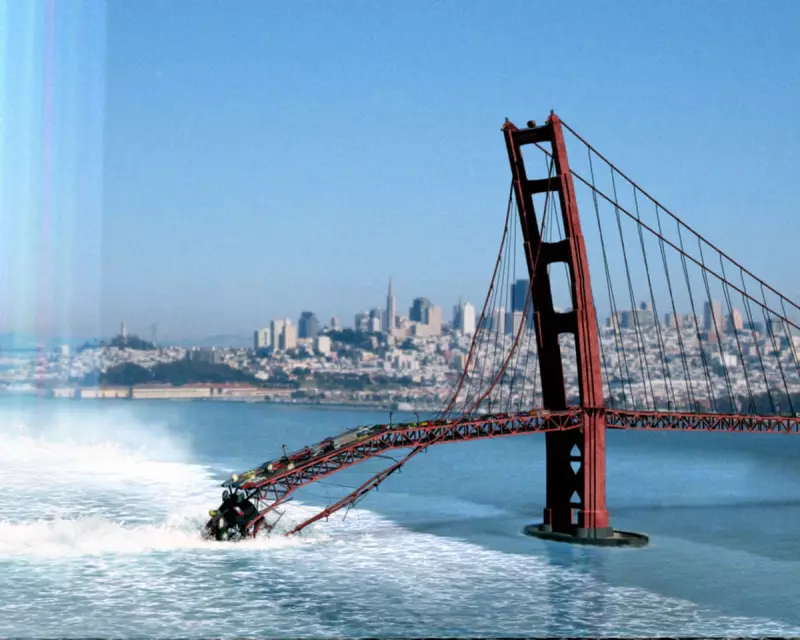
The familiar sight of the Golden Gate Bridge crumbling or the Eiffel Tower toppling has become a tired staple of Hollywood disaster films. As the trailer for Greenland 2 showcases yet more iconic destruction, a pressing question emerges: why does the film industry keep targeting the same handful of global landmarks?
The Usual Suspects: A Cinematic Hit List
New research from the insurance firm MS Amlin has compiled a definitive list of the world's most frequently demolished cinematic icons. The findings reveal a startling lack of imagination. The Statue of Liberty stands as the most popular target, having been destroyed or damaged in a staggering list of films including Planet of the Apes, Independence Day, The Day After Tomorrow, Cloverfield, and 2012.
Not far behind is San Francisco's Golden Gate Bridge, wrecked at least 13 times in movies such as Superman, San Andreas, Terminator: Genisys, and Pacific Rim. London's Big Ben and the Houses of Parliament have been devastated at least nine times, featuring in films like Reign of Fire, V for Vendetta, and London Has Fallen.

The Eiffel Tower's cinematic bad luck continues, with its destruction featured in Armageddon, Mars Attacks!, and Team America: World Police, a trend the Greenland sequel perpetuates. Similarly, the Sydney Opera House has faced threats in X-Men: Apocalypse and various monster mash-ups.
Beyond the Blockbuster: The Case for Creative Destruction
This repetitive carnage prompts a call for more inventive choices. Cinema history offers glimpses of a more creative approach. In 1925's The Lost World, director Harry O. Hoyt had a dinosaur destroy the Blue Posts pub in Soho. Alfonso Cuarón used the modest setting of Bexhill-on-Sea to powerful effect in Children of Men.
Even Marvel opted for Leipzig airport as the battleground for Captain America: Civil War's epic showdown, proving spectacle doesn't require a postcard backdrop. The argument is clear: audiences have seen the major landmarks fall countless times. The novelty and shock value have evaporated.
A New Blueprint for Disaster
Imagine the fresh terror of an alien invasion focusing its beam on the Spam Museum in Austin, Minnesota. Consider the dark humour of a nuclear missile aimed at Brussels' Manneken Pis statue. What about a meteor finally taking out the Cleethorpes Coast Light Railway?
This cinematic rut reflects a deeper creative stagnation. Relying on the visual shorthand of a fallen Eiffel Tower is a shortcut that avoids building genuine, location-specific tension. By targeting unique and unexpected sites, filmmakers could forge a more memorable and inventive connection with global audiences, moving beyond lazy, recognisable imagery to tell stories that feel new, even within the well-worn disaster genre.
The destruction of famous landmarks in film is a tradition, but traditions can grow stale. For the sake of originality and surprise, it's time for Hollywood's disaster architects to look at a new map and find some fresh ground zeroes.