The Backwards Cap: A Timeless Symbol of Cool Confidence
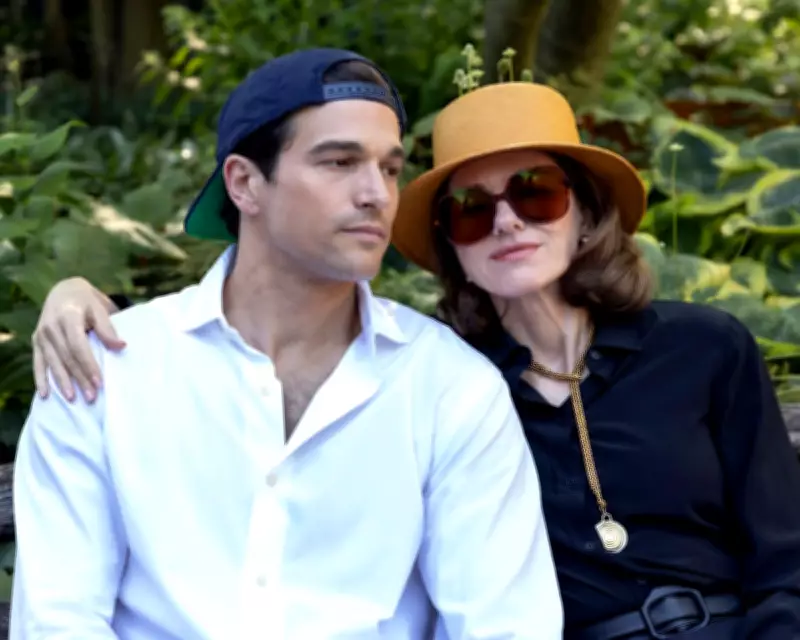
In the opening scenes of Love Story: John F. Kennedy Jr and Carolyn Bessette, Ryan Murphy's latest series, the youngest son of the former US president is depicted wearing multiple caps, each a subtle nod to his unique fashion sense. From a Kangol flat cap during a cycle to a Yankees cap on a treadmill, these accessories are more than mere props; they are integral to his character. However, it is the backwards cap that truly defines John F. Kennedy Jr's style, a look that has transcended decades to become a modern shorthand for effortless confidence.
JFK Jr's Signature Style: Redefining Preppy Fashion
Often hounded by paparazzi who dubbed him "The Hunk," Kennedy Jr could have used caps to hide from the public eye. Instead, he chose to wear them backwards, pulling the brim down over his lush black hair while keeping his face fully visible. This choice was not about anonymity but about making a statement. As costume designer Rudy Mance emphasized, the backwards cap became central to Kennedy Jr's "high/low" fashion approach, blending old-money signifiers like Armani suits with casual, street-inspired elements.
James Lilliefors, author of Ball Cap Nation: A Journey Through the World of America's National Hat, notes that Kennedy Jr adapted the backwards cap to give his "heir to Camelot" image a relatable, cool edge. This style offset formal attire such as foulard ties and tweed blazers, creating a look that was less waspy and more preppy, influenced by 90s icons like Sylvester Stallone and hip-hop stars.

The Resurgence of a 90s Trend
Nearly three decades after Kennedy Jr's death, the backwards cap is experiencing a significant revival. Social media platforms like Pinterest are flooded with images of Kennedy Jr and Carolyn Bessette, inspiring millennials and Gen Zers to emulate their style. One iconic 1996 photo of the couple strolling in Manhattan, with Kennedy Jr in a formal suit and a green backwards cap, has become particularly popular, symbolizing a blend of elegance and rebellion.
User captions on social media reflect this admiration, with comments such as "All my problems fade away when I see a man in a backwards cap" highlighting the trend's emotional appeal. This nostalgia-driven resurgence is not just about fashion; it taps into a broader cultural longing for the 90s era.
Historical Roots and Modern Adaptations
The backwards cap has deeper historical roots than the 1990s. In the 1800s, US baseball catchers wore caps backwards for practical reasons, allowing them to fit catcher's masks while protecting their heads from the sun. By the 90s, athletes like Ken Griffey Jr popularized the style in sports, while Will Smith in The Fresh Prince of Bel-Air and hip-hop artists like Jay-Z brought it into mainstream popular culture.
Today, celebrities continue to champion the look. Timothée Chalamet recently wore a backwards cap embroidered with Bob Dylan lyrics, and Bad Bunny incorporates it into his on-stage persona. Kendrick Lamar even paired a 90s-style Starter cap with Chanel at the 2023 Met Gala, showcasing its versatility. On the catwalks, designers like Ralph Lauren have featured models in brightly coloured cotton caps styled backwards, emphasizing the Polo logo from behind.
A Symbol of Subversion and Confidence
With baseball caps now ubiquitous in settings from coffee shops to boardrooms, as seen in shows like Succession and Industry, the backwards cap offers a subtle rebellion against the status quo. It requires minimal effort—just a flip—but demands confidence to pull off. This cheap update to a classic accessory reflects a desire to move fashion trends forward while honoring nostalgic influences.
In essence, the backwards cap revival, spearheaded by figures like John F. Kennedy Jr, underscores how fashion can evolve while maintaining its core symbolism of laid-back confidence and cultural relevance.