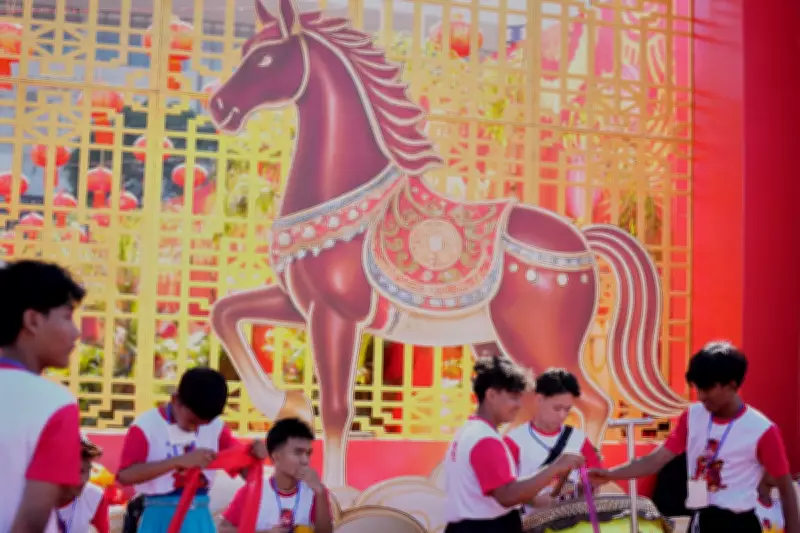
Lunar New Year, widely recognised as the Spring Festival, Tet, or Seollal, stands as a major cultural celebration observed across numerous Asian nations and by diaspora communities around the globe. This vibrant festival commences with the first new moon of the lunar calendar and extends over fifteen days, typically occurring between late January and mid-February each year.
The Year of the Horse: Symbolism and Significance
In 2026, the Chinese zodiac designates this period as the Year of the Horse, a symbol deeply associated with freedom, vitality, and ambition. This auspicious year is often viewed as a time ripe with new opportunities and fresh beginnings, encouraging individuals to pursue their goals with energy and determination.
Traditional Celebrations and Customs
Traditional Lunar New Year festivities are rich with symbolic practices aimed at ushering in good fortune and warding off evil. Key customs include wearing red clothing, which is believed to bring luck and happiness, and decorating homes and streets with red lanterns to create a festive atmosphere.

Firecrackers are set off during the celebrations, a practice rooted in the legend of scaring away the mythical monster Nian. Another beloved tradition involves the exchange of money in red envelopes, known as hongbao, which are given to children and unmarried adults as tokens of prosperity and blessings for the year ahead.
Ancestral Rituals and Festive Foods
The Lunar New Year also encompasses solemn rituals of ancestor worship, where families pay respects to their forebears, honouring their legacy and seeking guidance. Culinary traditions play a central role in the festivities, with specific foods consumed for their symbolic meanings.
Common dishes include dumplings, which represent wealth and prosperity, rice cakes that symbolise growth and progress, and "long-life noodles" associated with longevity and health. These culinary delights vary by culture, reflecting the diverse ways in which communities celebrate this important festival.
From Myanmar to global diaspora gatherings, the Lunar New Year of the Horse in 2026 promises to be a time of joy, reflection, and cultural pride, uniting people in shared traditions and hopeful aspirations for the future.