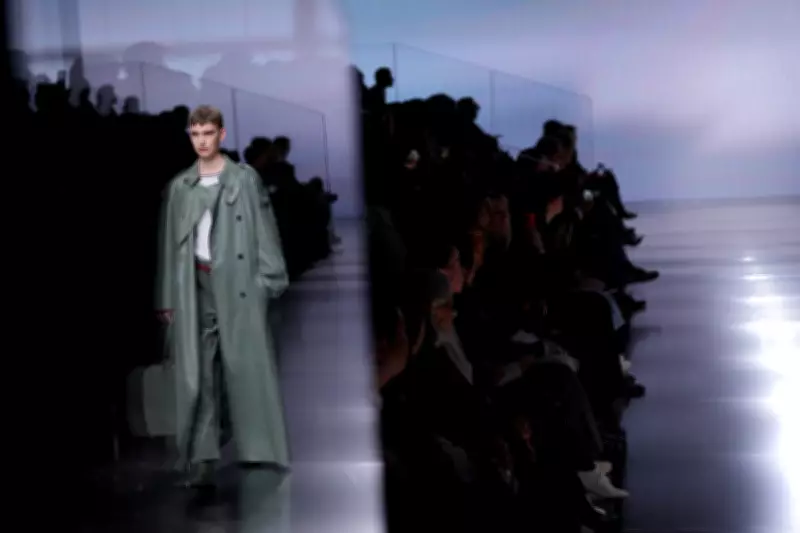
Milan Fashion Week 2026 Ushers in Era of Fresh Starts and Practical Glamour
The 2026 edition of Milan Fashion Week has officially commenced, marking a season defined by fresh beginnings and a pronounced shift toward practical glamour across the luxury fashion landscape. New creative directors at iconic houses including Gucci, Fendi, and Marni unveiled their inaugural visions, setting a transformative tone for the upcoming cold-weather collections. The six-day event, concluding on Sunday, attracted superstar attendees such as Madonna, Kate Moss, and an unexpected appearance by Meta's Mark Zuckerberg, who generated minor controversy with his heavily secured entrance at the Prada show.
New Leadership and Celebrity Spectacle
This season's runway presentations were dominated by significant leadership changes at several major fashion houses. Gucci introduced Demna as its new creative director, while Fendi welcomed Maria Grazia Chiuri, and Marni appointed Meryll Rogge. Additionally, Giorgio Armani saw Silvana Armani take the helm following the passing of the legendary designer last September. Established designers like Louise Trotter at Bottega Veneta and Simone Bellotti at Jil Sander presented their sophomore collections, often navigating the challenging expectations that follow successful debuts.
Celebrity presence added to the buzz, with Zuckerberg's appearance at Prada alongside heir Lorenzo Bertelli sparking speculation, though no collaboration with Meta's smart glasses was announced. The front rows were further illuminated by stars such as Uma Thurman, who exemplified Fendi's practical suiting trend.
Five Key Womenswear Trends and Buzzwords
The runway previews highlighted several emerging trends for the next season, blending functionality with high fashion in response to contemporary global uncertainties.
Layering at Prada
Prada delivered a masterclass in layering with a streamlined show featuring only 15 models. Designers Miuccia Prada and Raf Simons orchestrated a narrative of "layers of lives, of feeling," where models progressively removed garments to reveal underlying pieces. The collection transitioned from trenches and leather bombers to archival house coats and frayed dresses, culminating in delicate cotton bloomers and embroidered slip dresses. This minimalist yet opulent approach was complemented by a showroom adorned with historical artifacts, reinforcing Prada's obsession with heritage.
Suitable Suiting
Back-to-work mandates influenced runway aesthetics, with practical suiting emerging as a dominant trend. At Fendi, fur was layered over structured suits and quarter-button collared shirts, as seen on guest Uma Thurman. Jil Sander's Simone Bellotti experimented with Alice-in-Wonderland suiting, featuring tiny lapels and voluminous backs to modernize minimalist aesthetics. In contrast, Gucci's Demna diverged from quiet luxury with clingy daywear and crystal-encrusted gowns, offering fewer traditional suits.
Fur, Feathers, and Animal Prints
Sustainability and heritage intersected in fur and animal print designs. Fendi's Maria Grazia Chiuri, drawing on her decade-long experience with the Fendi sisters, showcased upcycled furs as a subtle response to anti-fur protests. Animal prints appeared across runways, including eco-fur cow prints at Dolce & Gabbana. Prada enhanced its collection with feather-covered boots, adding an antique touch to beaded satin footwear.
The Coat Game and Chunky Knitwear
Outerwear took center stage with architectural and kinetic designs. Louise Trotter at Bottega Veneta drew inspiration from Milan's Brutalist architecture, presenting sturdy overcoats in blue and gray hues before introducing colorful fiberglass pieces that moved with each step. Ferragamo offered innovative overcoats with twistable button panels, while Marni's Meryll Rogge debuted youth-driven chunky knitwear and high-low material mixes, such as fur coats with cotton linings and sequin-adorned skirts.
Softness in Tailoring
Tailoring embraced fluidity and simplicity, as demonstrated by Tod's seamless leather dresses and Silvana Armani's soft-shouldered jackets. Armani's collection featured quilted Japanese-style jackets and elegant slate gray overcoats, reflecting her personal design philosophy. "Working with fluidity and simplicity came naturally to me because that’s how I am," she remarked post-show.
Cultural and Political Footnotes
While most collections adopted muted palettes and basics, possibly reflecting conservative responses to global turbulence, overt political references were rare. An exception was Moschino, where designer Adrian Appiolaza included a garment featuring the character Mafalda and the Italian word "Basta" (Enough), subtly addressing contemporary issues.
Overall, Milan Fashion Week 2026 balanced innovation with practicality, signaling a new chapter for luxury fashion through fresh creative leadership and trendsetting designs that resonate with modern sensibilities.