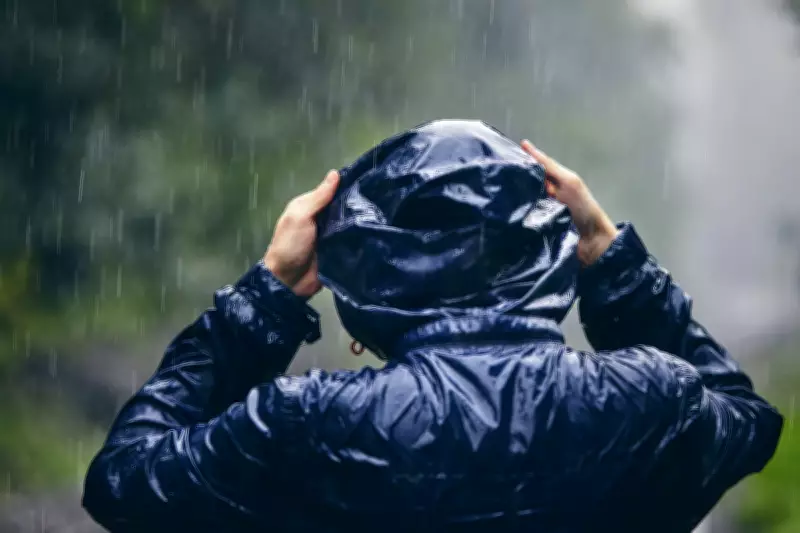
Raincoat No Longer Waterproof? A Textile Scientist Explains How to Fix It
There are a few simple ways you can care for your rain jacket to ensure you stay dry, even when it’s pouring. Carolina Quintero Rodriguez from The Conversation provides expert insights on this common issue.
The Science Behind Rain Jackets
Most proper rain jackets are built around a waterproof membrane sandwiched inside the fabric. Gore-Tex is the most popular technology, using a thin layer of chemicals like PTFE or ePTFE with microscopic pores. These pores are smaller than liquid water droplets but allow water vapour from sweat to escape. Other fabrics use solid, non-porous membranes made from polyurethane or polyester, which move water vapour by absorption, making them more tolerant of dirt.
The outer fabric often has a chemical finish called Durable Water Repellent (DWR), which makes water roll off like wax on a car. Historically, many finishes used forever chemicals (PFAS), but due to environmental concerns, brands now use safer alternatives based on silicones or hydrocarbons.

Understanding labels is crucial: waterproof jackets stop rain with membranes and taped seams, water-resistant fabrics slow water but lack true membranes, and water repellent refers to the beading effect from chemical finishes.
Why Do Rain Jackets Degrade Over Time?
When a jacket loses waterproofing, it’s usually the chemical finish that fails first. This ultra-thin layer gets scuffed by backpack straps, baked by sun, and contaminated by mud, smoke, and city grime. Abrasion and harsh washing cycles can degrade these coatings, shedding bits into the environment over time.
Body oils, sunscreen, and insect repellent build up in the fabric, damaging the finish and clogging membrane pores, hindering both rain repulsion and sweat vapour escape. Over years, physical ageing causes membranes to thin or crack, and seam tapes can peel, especially on shoulders under backpack straps.
How to Keep a Jacket Waterproof
Extending a jacket’s life benefits both comfort and the planet, as making new technical fabrics has a significant environmental footprint. Gentle washing removes contamination like dirt and body oils. Follow these tips:
- Close zips and Velcro before washing.
- Use a gentle cycle with a cleaner designed for waterproof fabrics or mild soap, avoiding normal detergents and softeners.
- Re-apply DWR finishes with spray-on or wash-in products, or re-activate them with low heat from a dryer or iron.
- Always follow manufacturer care instructions, as they vary by fabric composition.
- Avoid leaving the jacket wet and scrunched up for weeks, and be mindful of heavy sunscreens and repellents.
By adopting these practices, you can maintain your rain jacket’s effectiveness and stay dry in any storm.