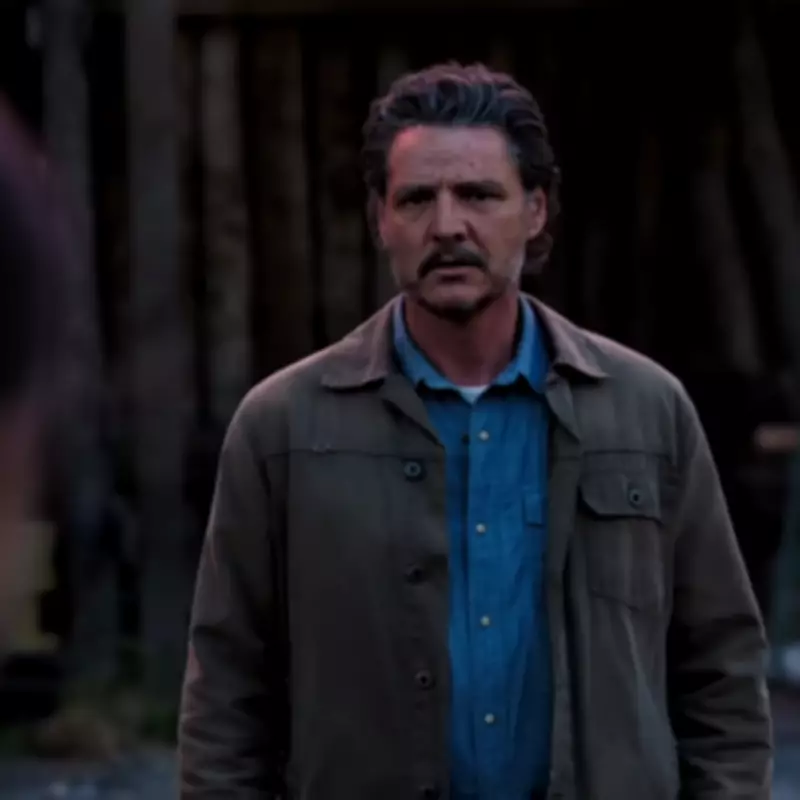
In a surprising turn of events, the acclaimed television adaptation of The Last of Us might be drawing to a close much sooner than anticipated. Recent comments from HBO's top executive indicate that the series could potentially wrap up after just three seasons, a significant shift from earlier projections that suggested a more extended narrative arc.
HBO Executive Hints at Early Conclusion
During a recent interview with Deadline, HBO CEO Casey Bloys addressed speculation surrounding the future of the popular video game adaptation. When questioned about whether the upcoming third season might serve as the series finale, Bloys offered a telling response that has sparked considerable discussion among fans and industry observers alike.
"It certainly seems that way," Bloys remarked, before adding, "But on decisions like that, we will defer to the showrunners. So you can ask them." This statement represents a notable departure from previous indications that the adaptation would require at least four seasons to properly complete its storytelling journey.

Showrunner's Narrative Challenges
The potential early conclusion presents particular challenges for current showrunner Craig Mazin, who took over creative duties after original game producer Neil Druckmann stepped down following the second season. Mazin had previously expressed concerns about compressing the narrative, telling Collider last year that 'there's no way to complete this narrative in a third season.'
HBO executives have since clarified that no definitive plan has been established, suggesting that Mazin may need to develop creative solutions to bring the complex storyline to a satisfying conclusion within a condensed timeframe. This development highlights the intricate balancing act between artistic vision and practical production considerations in television adaptations.
Critical Reception and Adaptation Complexities
The first season of The Last of Us television adaptation received exceptional critical acclaim, achieving an impressive 96% rating on Rotten Tomatoes. While the second season maintained strong critical scores at 92%, it experienced a significant divergence in audience reception, with community ratings plummeting to just 37%.
This reception pattern reflects the adaptation challenges inherent in translating the second game's complex narrative structure to television. The initial season followed the source material quite faithfully, while the second season introduced substantial narrative rearrangements, revealing key plot elements much earlier than their video game counterparts.
As those familiar with The Last of Us Part II will appreciate, the story's emotional impact depends heavily on its specific narrative structure and pacing. This complexity makes the adaptation process particularly challenging, especially when considering potential compression of the remaining storyline.
Production Status and Industry Context
Currently, production for the third season has not yet commenced, with HBO yet to confirm a specific filming schedule or release date. This uncertainty adds another layer to the ongoing speculation about the series' future direction and potential conclusion.
Meanwhile, the landscape for video game adaptations continues to evolve across the streaming industry. Amazon's Fallout series has demonstrated sustained success, with its second season concluding this week and a third season already confirmed. Additionally, other major adaptations including God of War and a new Lara Croft series featuring Sophie Turner are progressing through various stages of development and production.
This broader context underscores the competitive environment in which The Last of Us operates, potentially influencing strategic decisions about its narrative scope and production timeline. As streaming platforms continue to invest heavily in gaming adaptations, each project's approach to source material fidelity and narrative pacing becomes increasingly significant to its overall success and audience reception.