Austen Scholars Embrace Fan Fiction: 'Jane Austen Will Survive It All'
Jane Austen academics have revealed their surprisingly open-minded perspectives on the proliferation of Pride and Prejudice fan fiction and spin-offs, with the BBC's recent adaptation of The Other Bennet Sister sparking fresh debate about how we reinterpret classic literature.
The Enduring Appeal of Pride and Prejudice
It remains a truth universally acknowledged that Jane Austen's Pride and Prejudice, published over two centuries ago, continues to inspire countless adaptations, retellings, and unofficial sequels. The iconic love story of Elizabeth Bennet and Mr Darcy has spawned everything from the celebrated 1996 Colin Firth television series to Netflix's upcoming drama, alongside loosely inspired works like Bridget Jones's Diary.
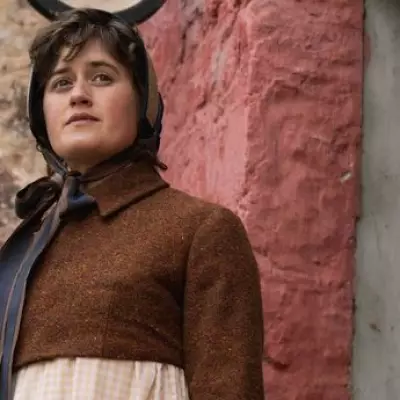
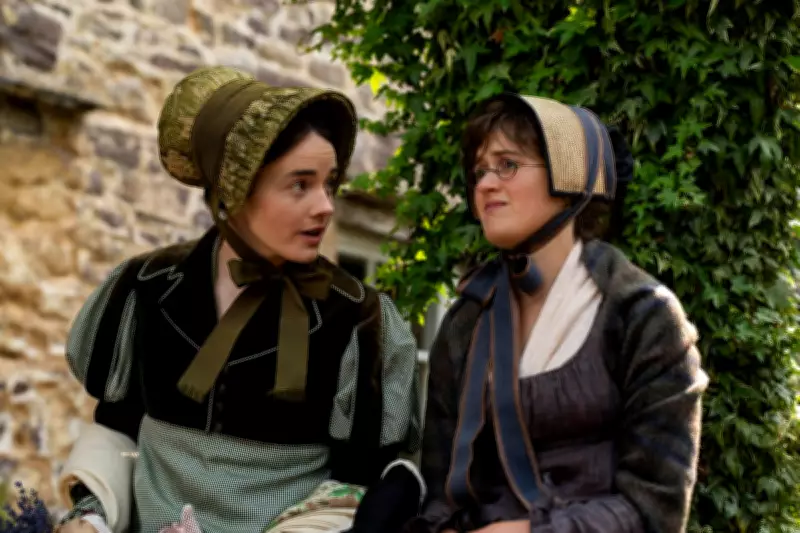
The latest addition to this expanding universe is Janice Hadlow's 2020 novel The Other Bennet Sister, which recently made its television debut on BBC One. This adaptation shifts focus to Mary Bennet, Elizabeth's often-overlooked sister, portrayed by Call the Midwife actress Ella Bruccoleri.

Reimagining Mary Bennet
Where Austen originally depicted Mary as socially awkward, bookish, and attention-seeking, the new adaptation presents her through a more sympathetic lens. The series follows Mary's attempts to find romance while being consistently underestimated by her family, offering a fresh perspective on familiar events.
Unsurprisingly, this reinterpretation has divided audiences. While some fans delight in seeing the Bennet family return to television screens, others criticize the adaptation for straying too far from Austen's original vision. However, Austen scholars appear remarkably receptive to such creative liberties.
Academic Perspectives on Fan Fiction
John Mullan, Professor of English Literature at University College London, expresses particular interest in Austen spin-offs. "In some ways I think the Jane Austen spin-offs interest me more than the Jane Austen adaptations actually," he reveals. "They are always somebody's take on Jane Austen and because they're spin-offs, I don't have to watch them flinching at all the things that they've got wrong."
Mullan adds: "I feel less defensive about them than I do about the adaptations so I'm not an antagonist to spin-offs at all. The bottom line is – Jane Austen will survive it all."
Janet Todd OBE, a Cambridge professor and author of Living with Jane Austen, believes it's "fair enough" for fans to reinterpret Austen's material. "She's a national treasure and I think you can do with it what you want," Todd states, while cautioning: "I think the danger is if people mistake it for the actual Jane Austen novel and assume that it's very similar to it."
The Educational Value of Fan Engagement
Dr John Lennard, an English Literature scholar, notes that Pride and Prejudice fan fiction has proliferated since the early twentieth century, with most focusing on Elizabeth and Darcy as "the sexy ones." He observes that "mildly rescuing Mary in one way or another and saying that she's not boring at all is almost normal, it's very common indeed."
While acknowledging that some academics can be "at best snooty but often quite sneery" about Austen fan fiction, Lennard emphasizes its educational potential. "We spend our time trying really hard to get kids to be interested in reading classical literature and respond to it in writing – well, here are all these kids who are reading classical literature or other literature and responding to it in writing, and sometimes quite well," he explains.
Lennard even suggests incorporating fan fiction into academic settings: "I myself would not mind, if I'm teaching Jane Austen, for one essay in the course to be to try writing a pastiche of the style. It makes you look at it really closely, which is the whole point."
Modern Sensibilities and Character Interpretation
The kinder portrayal of Mary Bennet in The Other Bennet Sister reflects contemporary sensibilities, according to Todd. "Pride and Prejudice mocks the 'blue stocking' woman – we'd call her now a classroom swot or a nerd – but we live in much gentler, more sentimental times than Austen and we no longer mock that type," she observes.

Todd notes that the television character "is not the woman in the book, who is a rather foolish girl who wants to be noticed in this big family by showing off. In the series, she becomes the spurned victim of a really nasty family."
Mullan adds context to this sympathetic reinterpretation: "Readings over recent decades have sided in a feminist way with characters in the novel who are actually laughed at – Mrs Bennet, Mary Bennet, Charlotte Lucas. But that's entirely to do with us, it's nothing to do with Jane Austen."
The Secret to Enduring Adaptation
What explains Pride and Prejudice's seemingly endless capacity for reinvention? Todd identifies the core appeal: "It's the absolute romance, isn't it? The formula is a winning one and it goes on through just about everything – whether it's Daphne du Maurier and Georgette Heyer's work or even Fifty Shades of Grey. It's a female fantasy and it's a very strong one."
As Austen's work continues to inspire new interpretations centuries after its creation, scholars remain confident about its resilience. The proliferation of fan fiction and spin-offs, rather than threatening Austen's legacy, appears to demonstrate her enduring cultural relevance and capacity to speak to successive generations in new ways.