It has been ten years since the world lost David Bowie, yet the presence of one of music's most influential and beloved icons remains palpable. From chart-topping artists to acclaimed filmmakers, his creative spirit continues to inspire, sustained by a constant stream of reissues, biographies, and the enduring power of his work.
From Brixton to Blackstar: The Unlikely Path of a Legend
In terms of personal and cultural impact in Britain, Bowie is arguably second only to The Beatles, and he long surpassed them in the longevity of his continually evolving career. A proud Londoner, his years abroad never dimmed his love for home, nor the nation's profound affection for him. Yet, this adoration was not always a given.
Over three decades ago, the narrative was starkly different. As Bowie struggled to garner interest for his late-80s hard-rock project, Tin Machine, he faced scathing criticism. Music reviewer Jon Wilde famously concluded one damning assessment with the brutal words: "sit down, man, you're a f***ing disgrace". For a time, it seemed The Man Who Fell To Earth had finally been grounded.

The Rollercoaster of Reinvention
Bowie's initial breakthrough came with 1969's 'Space Oddity', its prominence amplified when the BBC used it to soundtrack the Apollo 11 moon landing. This was merely the first act. He soon established himself as a master of reinvention, shifting musical styles and personas with breathtaking audacity.
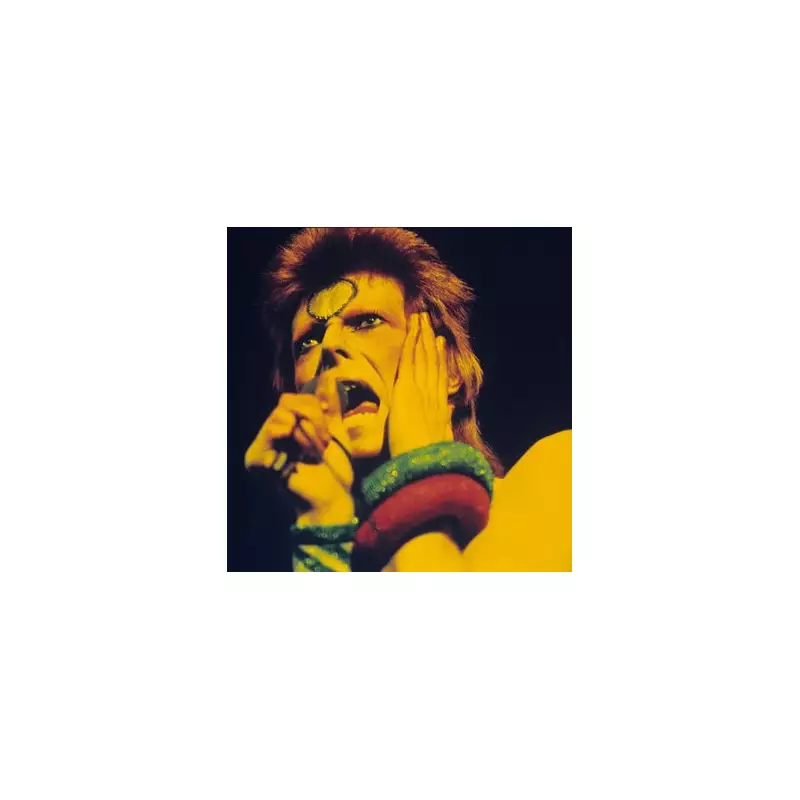
The glorious run included albums like 'Hunky Dory' and the seminal 'The Rise and Fall of Ziggy Stardust and the Spiders from Mars'. He produced groundbreaking work in Berlin with Brian Eno ('Low', 'Heroes'), delivered the dazzling 'Station to Station', and reached commercial zenith with 1983's 'Let's Dance'.
However, the wheels began to wobble. 1987's 'Never Let Me Down' was widely panned, a critical and commercial misstep that stung the artist. The Tin Machine era, intended as a return to raw creativity, failed to recapture the magic. His 1993 comeback album, 'Black Tie White Noise', produced by Nile Rodgers, failed to connect with the emerging Britpop generation.
Though his 1995 reunion with Eno on 'Outside' signalled a creative return, and his triumphant headlining set at Glastonbury in 2000 reminded the world of his genius, the mainstream narrative had shifted. A near-fatal heart attack in 2004 led to a long musical silence.
The Triumphant Final Act
Bowie's return in 2013 with 'The Next Day' was a sensation, made more remarkable by his almost complete retreat from public life. He never performed live again or gave interviews, but his influence was deftly felt—such as sending Kate Moss to deliver a pro-union message at the Brit Awards ahead of the Scottish independence referendum.
Then came 'Blackstar'. Released on January 8, 2016, just two days before his death from cancer, the album stands as a magnificent, consciously crafted swansong. It ensured his departure not as a faded star, but as a visionary artist operating at his peak. The subsequent opening of the David Bowie Centre at V&A East in 2025, showcasing thousands of artefacts, cemented his status in the cultural firmament.
Today, a decade on from his passing, younger artists from Lady Gaga and Arctic Monkeys to Charli XCX and The Last Dinner Party openly cite his influence. Filmmakers like Christopher Nolan and Martin Scorsese, who both cast him, honour his legacy. The boy from Brixton, once branded a disgrace, achieved a level of respect and love that is truly unmatched. The Starman, it seems, never really left; he simply returned home to legend.