Dave Davies Defends The Kinks' 'Lola' After Moby Labels Song Transphobic
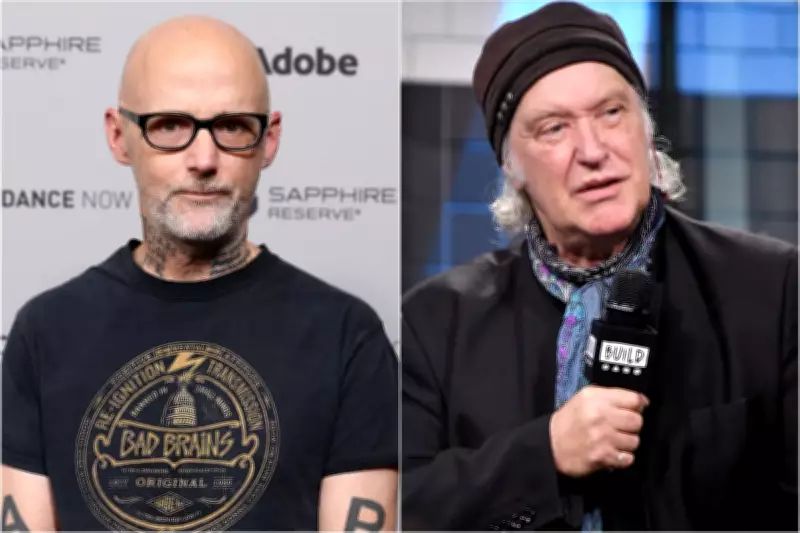
The Kinks' guitarist Dave Davies has issued a sharp response to fellow musician Moby after the American artist condemned their classic 1970 song "Lola" as transphobic. The dispute emerged when Moby included the track in a critical playlist review, prompting Davies to defend the band's legacy and intentions.
Moby's Playlist Criticism Sparks Controversy
During a recent Q&A session with The Guardian about his "honest playlist," Moby was asked to name a song he could no longer listen to. He pointed to "Lola" after it appeared on a Spotify playlist, stating: "I thought the lyrics were gross and transphobic. I like their early music, but I was really taken aback at how unevolved the lyrics are."
This criticism quickly drew attention, given the song's longstanding status as a rock anthem and its historical context within LGBTQ+ culture.

Dave Davies' Forceful Response
Responding on social media platform X, the 79-year-old Davies wrote: "I don't wanna show the guy up, but Moby should be careful what he says." He elaborated by recalling The Cockettes, an LGBTQ+ theatre community from San Francisco that followed The Kinks on tour, noting: "We appreciated them."
Davies expressed confusion and frustration at Moby's remarks, questioning: "Why is Moby being so rude about this simple song? We're not transphobic. Why does he have to have a go at us?" He added that he felt "highly insulted" by the accusation that his brother and band frontman Ray Davies was "unevolved" or transphobic.
The Historical Context and Legacy of 'Lola'
Written by Ray Davies for The Kinks' 1970 album Lola Versus Powerman and the Moneygoround, Part One, the song was inspired by encounters the band had at a nightclub, along with trans men, women, and drag queens they knew in London's Soho district at the time.
The lyrics describe the narrator dancing with a woman named Lola who "walked like a woman but talked like a man," culminating in the lines: "Well, I'm not the world's most masculine man/ But I know what I am and I'm glad I'm a man/ And so is Lola."
In a 2020 interview with the i Paper, Ray Davies clarified that the song was written out of "admiration more than anything else" and expressed his support for trans rights. He described the album as a celebration of artistic freedom and the right "for anyone to be gender free if one wishes."
Support from Trans Icons and Community
Davies shared a message from his friend, trans rock singer Jayne County, who praised "Lola" as groundbreaking. County stated: "When I heard the song I was both thrilled and amazed that The Kinks would be singing a song about a trans person... 'Lola' broke down the doors of narrow-mindedness and I will always be grateful."
Trans rights activist Mara Keisling also previously told NBC that the song was "life-saving," as it made her feel less isolated. This endorsement highlights the song's positive impact within the transgender community.
Broader Cultural Debate Over Classic Songs
This incident echoes past controversies, such as when Canadian students in 2017 criticized Lou Reed's 1972 song "Walk on the Wild Side" as offensive to the trans community. Reed's producer Hal Wilner defended it as a "love song to all the people he knew," illustrating how interpretations of historical art can vary.
Both "Lola" and "Walk on the Wild Side" faced censorship by radio stations upon release due to their subject matter, yet have endured as culturally significant works. The current debate underscores ongoing discussions about art, context, and evolving social sensitivities.
As Davies stands by the song's intent and legacy, the exchange with Moby highlights the complex interplay between artistic expression, historical perspective, and modern values in music criticism.