Eurovision 2026 Live Tour Axed Following Fan Fury Over Ticket Costs
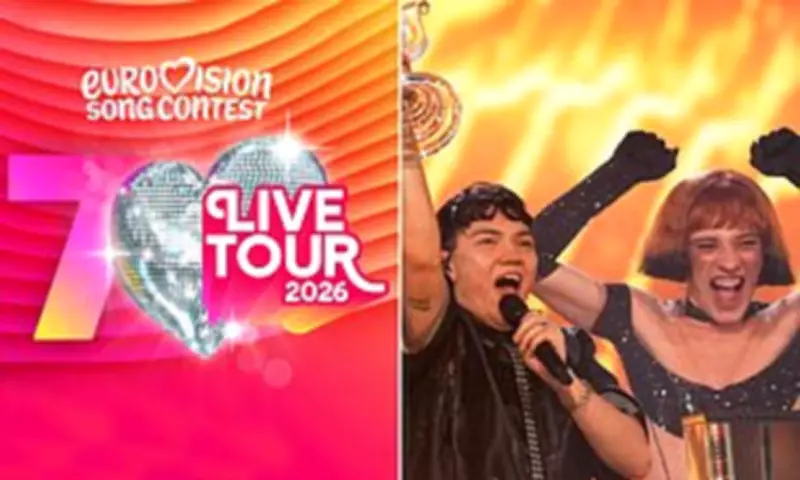
The highly anticipated Eurovision 2026 Live Tour has been cancelled mere weeks after its initial announcement, plunging the iconic song contest into further turmoil. European Broadcasting Union (EBU) officials confirmed the postponement on Friday, stating that all ticket holders will receive full refunds. This decision comes amid what experts are calling the contest's 'most serious crisis ever,' driven by a combination of fan discontent over pricing and a growing international boycott.
Unforeseen Challenges Force Postponement
Martin Green, the director of the Eurovision Song Contest, issued a statement expressing regret over the difficult choice. 'The European Broadcasting Union regrets to announce that we've made the difficult decision to postpone the Eurovision Song Contest Live Tour 2026,' he said. 'We have encountered unforeseen challenges that despite the best efforts of our team, the producers, and promoters we have been unable to resolve.' Green assured fans that refunds would be processed promptly and emphasised the EBU's commitment to relaunching the tour only when a 'world class experience' can be guaranteed.
The arena spectacular, unveiled just last month, was scheduled to visit ten European countries this summer, commencing at London's O2 Arena on June 15. However, the tour's swift cancellation underscores deeper issues plaguing the event.

Political Discord and Boycott Threats
The cancellation occurs against a backdrop of significant political discord. The Eurovision Song Contest is facing its most severe crisis in history, with several countries considering joining Ireland, Spain, the Netherlands, and Slovenia in boycotting the 2026 event. This stems from organisers' decision to allow Israel to compete, placing political tensions centre stage at what is traditionally a joyful musical celebration.
In December, it was revealed that more nations were contemplating withdrawal. While Belgium's broadcaster initially hesitated, it is now set to compete, whereas Iceland has officially withdrawn. The European Broadcasting Union, comprising public broadcasters from 56 countries, recently convened to address concerns about Israel's participation, linked to the Israel-Hamas conflict in Gaza. Although the EBU adopted stricter voting rules in response to allegations of vote manipulation, it did not exclude any broadcaster, further fuelling discontent.
Dean Vuletic, a noted Eurovision expert and author, described the situation as a historic moment for the EBU. 'This is certainly one of the most serious crises that the organisation has ever faced,' Vuletic stated. He predicted 'tense' weeks ahead as additional countries may join the boycott, potentially overshadowing the contest's 70th anniversary celebrations in Vienna this May.
Fan Backlash Over Exorbitant Ticket Prices
Compounding the political strife, fans expressed widespread outrage over the Live Tour's ticket prices during the pre-sale phase last week. On social media platforms like Reddit, numerous attendees criticised the costs as excessively high, particularly given what they deemed a 'mid lineup' of performers.
One disgruntled fan commented, 'I was initially a little unhappy with the prices (for London). But then, when I found something I could afford, it told me that I couldn't buy only one ticket; I had to buy two at once! So I didn't get anything.' Another added, 'These prices for such a mid lineup?' with others echoing sentiments that the prices were prohibitive, questioning whether arenas would be filled.
Prior to the cancellation, ticket prices varied significantly, ranging from £68 to £305 depending on the venue and seating location. This pricing strategy appears to have backfired, contributing to the tour's ultimate demise.
Focus Shifts to May's Anniversary Event
Despite the tour's postponement, the EBU remains focused on delivering the main Eurovision Song Contest in May. Green highlighted that the 70th anniversary shows will feature 35 artists performing to record sell-out audiences in Vienna, with hundreds of millions watching globally. However, the ongoing political boycotts and fan dissatisfaction cast a shadow over these celebrations, raising questions about the contest's future stability and appeal.

The confluence of high ticket prices, international boycotts, and internal challenges has created a perfect storm for Eurovision, marking a pivotal moment in its storied history. As refunds are processed and organisers regroup, the world watches to see how the EBU will navigate these turbulent waters and restore faith in one of Europe's most beloved cultural events.