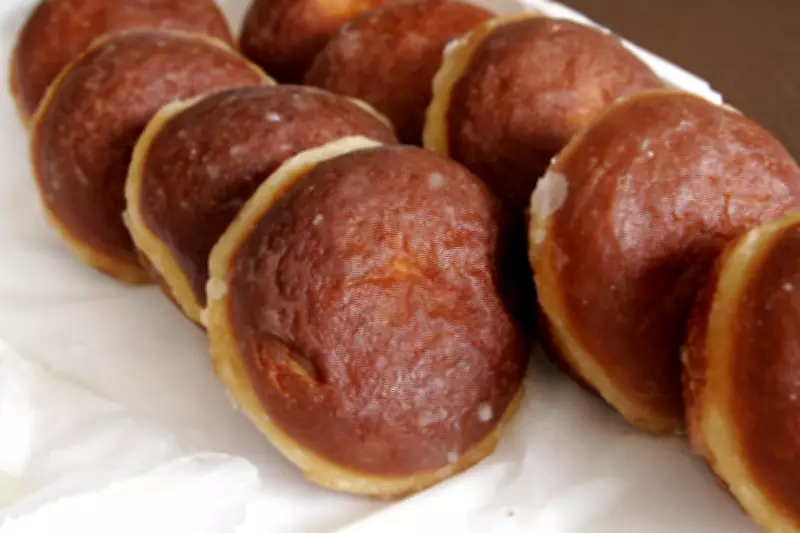
Fat Thursday 2026: The Polish Tradition of Pączki Doughnuts for Good Fortune
Fat Thursday, known in Polish as Tłusty Czwartek, is a cherished annual celebration that marks the last Thursday before the Lenten season. This year, the event falls precisely on 12 February 2026, offering a vibrant prelude to the period of fasting and reflection. Rooted in centuries-old customs, this day is a time for indulgence and communal joy across Poland and among Polish communities worldwide.
The Culinary Heart of the Celebration: Pączki Doughnuts
At the core of Fat Thursday festivities are pączki, traditional Polish doughnuts that are soft, round, and deeply symbolic. These delectable treats are meticulously prepared by deep-frying dough to achieve a golden-brown exterior, then filled with rich, sweet preserves. The most popular fillings include rose jam and plum jam, which provide a burst of fruity flavour. To complete the experience, pączki are generously topped with either powdered sugar or a glossy icing, adding an extra layer of sweetness that delights the palate.
According to longstanding tradition, consuming at least one pączek on Fat Thursday is believed to bring good luck for the upcoming year. This superstition encourages widespread participation, with many people making a point to enjoy these doughnuts as a hopeful gesture for prosperity and happiness. While other pastries like faworki, also known as angel wings, are enjoyed during the celebration, pączki remain the undisputed culinary highlight, drawing families and friends together in shared enjoyment.

Historical and Cultural Significance
Fat Thursday has deep historical roots, originally serving as a final opportunity for feasting before the austerity of Lent. Over time, it has evolved into a beloved cultural event that emphasises community and tradition. The celebration is not just about food; it reflects Polish heritage and the importance of marking seasonal transitions with joy and abundance. In modern times, bakeries and households across Poland prepare vast quantities of pączki in advance, often leading to long queues and a festive atmosphere in towns and cities.
This tradition also highlights the broader cultural practices surrounding Lent in Poland, where Fat Thursday acts as a joyful counterpoint to the solemnity that follows. By indulging in pączki, participants honour their ancestors' customs while creating new memories with loved ones. The day is often accompanied by social gatherings, making it a key moment in the Polish calendar for fostering connections and celebrating life's simple pleasures.