From Industrial Decline to Musical Renaissance
The transformation of Manchester from what was once described as a "grim" city plagued by social and economic hardships into a vibrant cultural epicenter is a remarkable story of resilience and creativity. A new BBC series, The Rise and Fall of Madchester, delves into this pivotal era, highlighting how the groundbreaking music scene reshaped the city's identity during the 1980s and 1990s.
The Origins: Joy Division and Factory Records
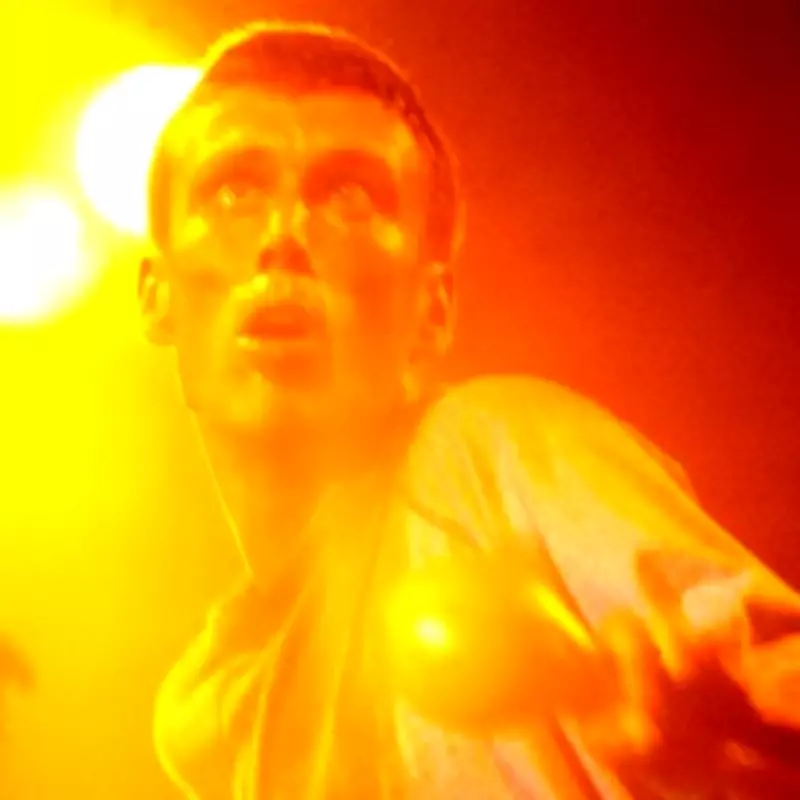
It all began in the late 1970s when childhood friends Bernard Sumner and Peter Hook, inspired by a Sex Pistols performance, formed the band Warsaw, later renamed Joy Division. The group, consisting of Ian Curtis, Peter Hook, and Stephen Morris, became precursors to the Madchester movement. Their music, characterized by its tense and mechanical sound, echoed the city's struggles, offering no escape but instead capturing the essence of a community shaking off its past ghosts.
In 1978, journalist Tony Wilson and Alan Erasmus founded Factory Records, an independent label that would become instrumental in Manchester's musical explosion. They transformed the Russell Club, a West Indian nightspot in a rough area, into The Factory. Wilson recalled the club's humble beginnings, stating, "Suddenly we were running a club, sitting on the barrels at the end of the night counting money out." Despite its lack of glamour, it provided a crucial space for experimentation, hosting Joy Division's sixth gig in June 1978.

The Birth of Madchester
Following the tragic death of lead singer Ian Curtis in 1980, the remaining members of Joy Division formed New Order, later joined by Gillian Gilbert. This marked the beginning of the Madchester era, a fusion of indie rock, acid house, psychedelia, and 1960s pop. Bands like The Stone Roses, Happy Mondays, and Inspiral Carpets, which had a young Noel Gallagher as a roadie before he formed Oasis, drove this cultural shift.
DJ Steve Lamacq, host of the BBC series, describes Madchester as "a story that rewired British youth culture." He explains, "In Manchester, as the 80s turned into the 90s, indie guitars collided with dance music. Rave culture flooded the city, and ecstasy reshaped the dance floor." The scene reached mainstream attention with an iconic 1989 broadcast of Top of the Pops, featuring The Stone Roses and Happy Mondays, alongside special guest Kirsty MacColl.
The Hacienda and Lasting Legacy
In May 1982, Tony Wilson and New Order opened The Hacienda club in a former yacht showroom on Whitworth Street. This venue became a cornerstone of Manchester's music scene until its closure in 1997, serving as a hub where sounds, arts, and movement coexisted. Lamacq notes that Curtis's death emphasized the bleakness of the time, but Wilson and the band refused to let their story end, leading to this new creative space.
The impact of Madchester extended beyond music, influencing fashion, dance, and youth culture nationwide. Lamacq reflects, "Madchester was an insane time. It was madness. It changed how a generation moved, dressed and sounded. But it was also the sound of a city worn down by years of social and economic decline, rising defiantly to reclaim its voice and leave a legacy impossible to ignore."
Today, Manchester stands as a testament to this transformation, with its musical heritage continuing to inspire new generations. The BBC series, airing ahead of the 6 Music Festival in Greater Manchester, offers a nostalgic look back at this revolutionary period, celebrating the artists and visionaries who turned a city of hardship into a paradise of sound and creativity.