Bruce Springsteen Unleashes Scathing Protest Song 'Streets of Minneapolis' Targeting Trump Administration
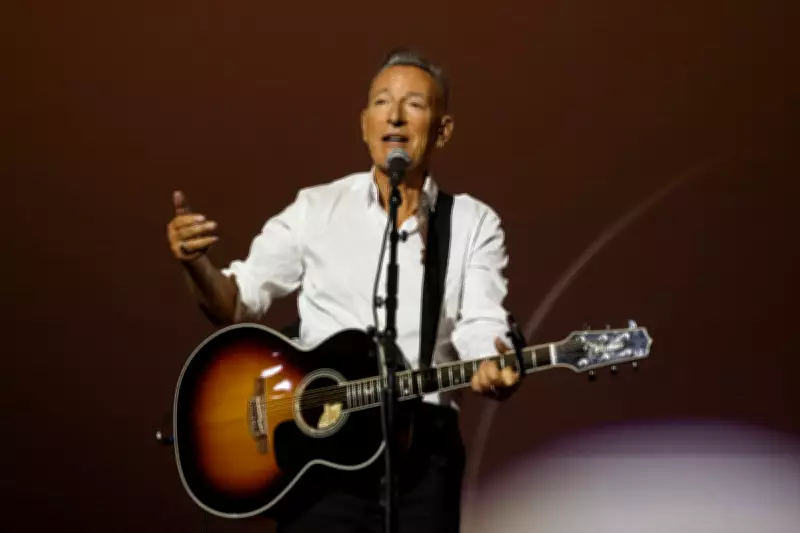
Music legend Bruce Springsteen has delivered a blistering new protest song that directly confronts the Trump administration and its immigration enforcement policies. The track, titled "Streets of Minneapolis," serves as both a memorial to two civilians recently killed by federal agents and a searing indictment of what Springsteen describes as state-sponsored terror.
A Song Born From Tragedy and Outrage
Springsteen dedicated the powerful composition to Renee Good, a mother of three shot by ICE agents on January 7, and Alex Pretti, an ICU nurse gunned down by Border Patrol officials on January 24. Both incidents occurred in Minneapolis and have sparked nationwide protests and condemnation.
"I wrote this song on Saturday, recorded it yesterday and released it to you today in response to the state terror being visited on the city of Minneapolis," Springsteen declared in an accompanying statement. "It's dedicated to the people of Minneapolis, our innocent immigrant neighbors and in memory of Alex Pretti and Renee Good."

Lyrical Fury Against 'King Trump' and 'Federal Thugs'
The song's lyrics pull no punches, referring to ICE and Border Patrol agents as "federal thugs" and characterizing the Trump administration as "corrupt, incompetent and treasonous." Springsteen specifically mentions Homeland Security Secretary Kristi Noem and advisor Stephen Miller, accusing them of spreading "dirty lies" about the circumstances surrounding the fatal shootings.
One particularly poignant stanza captures the tragedy: "And there were bloody footprints / Where mercy should have stood / And two dead left to die on snow-filled streets / Alex Pretti and Renee Good."
Addressing Systemic Issues and Racial Profiling
Beyond the specific incidents, Springsteen's composition tackles broader concerns about civil liberties and racial profiling under the current administration. The lyrics warn: "Now they say they're here to uphold the law / But they trample on our rights / If your skin is black or brown my friend / You can be questioned or deported on sight."
The track incorporates chants of "ICE out," echoing widespread calls from activists, politicians, and ordinary citizens demanding the removal of immigration enforcement agents from Minneapolis and other American cities.
White House Dismisses Springsteen's Critique
When approached for comment, White House spokeswoman Abigail Jackson dismissed Springsteen's musical protest as irrelevant. "The Trump Administration is focused on encouraging state and local Democrats to work with federal law enforcement officers on removing dangerous criminal illegal aliens from their communities -- not random songs with irrelevant opinions and inaccurate information," she stated.
Jackson further suggested media attention should focus on what she characterized as Democratic refusal to cooperate with federal immigration enforcement efforts.
Springsteen's Continued Political Activism
This latest musical protest continues Springsteen's longstanding criticism of the Trump administration. Just weeks earlier, during a surprise appearance at New Jersey's Light of Day Winterfest on January 17, the 76-year-old rocker introduced his 1978 song "The Promised Land" with explicit calls for ICE to leave Minneapolis.
The "Born in the USA" singer has emerged as one of the music industry's most vocal Trump critics, publicly sparring with the former president on multiple occasions over the past year.
Fan Reactions and Cultural Impact
Since its release, "Streets of Minneapolis" has generated significant attention and praise from Springsteen's devoted fanbase. Supporters have flooded social media with messages of appreciation, with one fan describing the song as "a much-needed balm for our wounded souls."
Another admirer commented: "My BOSS forever. True American Patriot," referencing Springsteen's long-standing nickname, while a third wrote: "bruce, thank you. this is what musicians can and should do with the platforms they have."
The song represents a significant cultural intervention at a moment of heightened political tension, demonstrating how artists continue to use their platforms to address pressing social and political issues facing the nation.