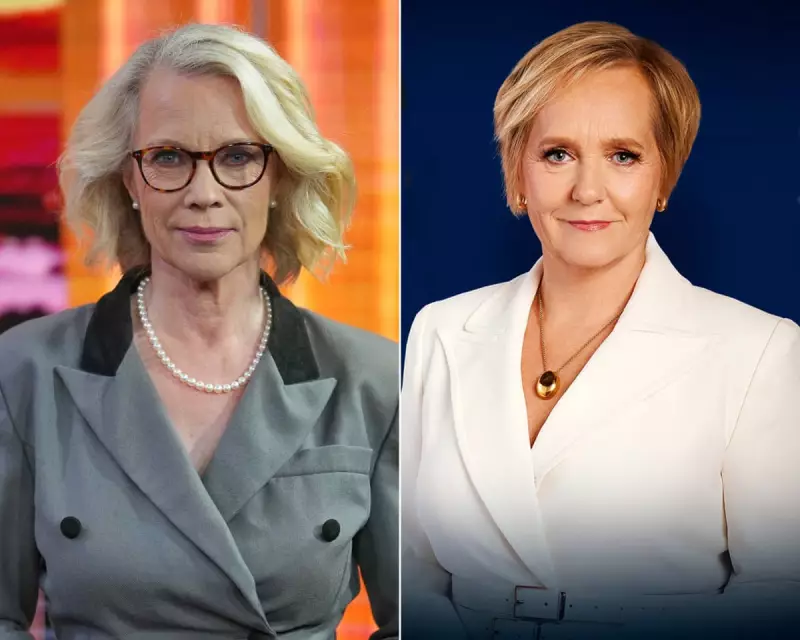
The Australian Broadcasting Corporation (ABC) has issued a firm defence of its editorial decisions following internal criticism from two of its most prominent journalists, Laura Tingle and Sarah Ferguson, over the broadcaster's coverage of the Bondi Junction mass stabbing.
Internal Dissent Over Editorial Approach
The controversy emerged after the ABC's intensive reporting on the tragic events at Westfield Bondi Junction on Saturday, 12 October 2024. The attack, which resulted in the deaths of six people and injuries to many others, dominated national news cycles.
Chief political correspondent Laura Tingle and veteran presenter Sarah Ferguson publicly voiced their concerns. Tingle described the coverage as "wall-to-wall" and suggested the broadcaster had lost perspective. Ferguson echoed this sentiment, questioning the editorial judgment behind the scale and tone of the reporting in the immediate aftermath.

The ABC's Robust Defence
In a detailed statement released on Monday, 23 December 2024, the ABC management stood by its team's work. A spokesperson emphasised that the initial reporting focused squarely on factual information crucial to public safety, including the attacker's movements and the police response.
The broadcaster argued that its coverage was responsible and in the public interest during a fast-moving and confusing crisis. The ABC confirmed it did not name the attacker in its initial broadcasts, adhering to its own strict protocols, and stated that its reporting was continually reassessed as the situation evolved.
Balancing Public Interest and Sensitivity
The internal debate highlights a perennial tension in newsrooms between the duty to inform the public during a major crisis and the need to consider the potential impact of graphic or intensive coverage on victims and the wider community.
The ABC's statement acknowledged the "enormous impact" of the tragedy but maintained that its journalists acted with professionalism. The corporation pointed to its subsequent coverage, which shifted to examining the stories of victims and the community response, as evidence of a balanced approach.
This public disagreement between the national broadcaster's management and its high-profile journalists is a rare occurrence, underscoring the profound ethical and editorial challenges faced by media organisations when covering acts of mass violence.