In a remarkable display of theatrical improvisation, the Royal Opera House in Covent Garden witnessed unprecedented drama during Tuesday's performance of Giacomo Puccini's Turandot. The evening took an unexpected turn when acclaimed French tenor Roberto Alagna, portraying Prince Calàf, became unwell after the second act, necessitating an emergency substitution that saw a senior staff member take to the stage.
An Unplanned Performance
With the showstopping aria Nessun Dorma omitted from the performance, Richard Hetherington, the theatre's head of music, stepped into the breach. Dressed casually in a jumper, chinos, and trainers, Hetherington sang from the wings while choreologist Tatiana Novaes Coelho performed the character's movements in costume on stage. This unconventional solution allowed the third act to proceed, albeit in a significantly shortened form that concluded before the opera's final scenes.
Audience Reaction and Official Response
The improvisation proved controversial among some audience members, with reports of booing directed at the omission of Puccini's most famous aria. In response to the unusual circumstances, the Royal Ballet and Opera organisation emailed ticket holders on Wednesday, describing the situation as "exceptionally rare" and offering 50% credit toward future performances.

A spokesperson for the organisation expressed concern for Alagna's health, stating: "Roberto Alagna was taken unwell during yesterday evening's performance of Turandot, which prevented him from completing Act III. We wish Roberto a swift and full recovery." The incident highlighted the specialised nature of operatic roles, with major houses typically unable to maintain understudies for every performance.
The Performer's Background
Hetherington, who is scheduled to conduct the schools' matinee performance of Turandot on 4 February, brings substantial theatrical experience to his unexpected performance. His previous roles include the title character in the British premiere of Henze's Pollicino, Yniold in Pelléas et Mélisande, and First Boy in Die Zauberflöte, before making his conducting debut with La sonnambula in 2011.
Production Context and Historical Significance
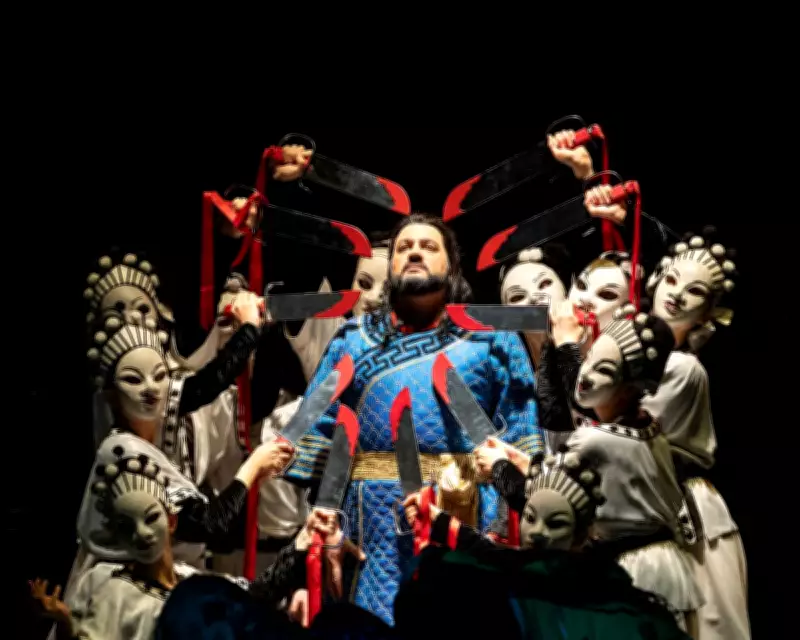
This performance represents the 19th revival of Puccini's final opera, which explores profound themes of love, fear, devotion, power, loyalty, life, and death within a fantastical interpretation of imperial China. The current production has featured multiple performers in principal roles, with Anna Netrebko, Maida Hundeling, and Anna Pirozzi sharing the title role of Turandot, while Calàf has been portrayed by Yusif Eyvazov, Arsen Soghomonyan, and Alagna.
Turandot holds particular historical significance as Puccini's twelfth and final opera, left incomplete upon his death in 1924 at age 65. The composer had substantially completed the third act up to the death of Liù but left only sketches for the conclusion. His student, Franco Alfano, subsequently created the completion that includes the reprised Nessun Dorma aria, making its omission from Tuesday's performance particularly notable.
Broader Reactions and Commentary
Writer Kenan Malik captured the complex emotions of the evening in a social media post, describing the events as "disappointing, dramatic and a strangely appropriate ending all at the same time." He praised Hetherington's intervention as "hugely brave and impressive," acknowledging the challenging circumstances faced by both performers and audience members.
The incident serves as a powerful reminder of the unpredictable nature of live performance and the dedication required to maintain theatrical traditions even under extraordinary circumstances. While some patrons expressed disappointment at the abbreviated performance, the evening ultimately demonstrated the resilience and adaptability of theatrical professionals when faced with unexpected challenges.