Royal Childhoods: A Tale of Two Sons
Exclusive revelations have shed light on the dramatically different childhoods experienced by Prince Andrew and King Charles, with the late Queen Elizabeth II's apparent favouritism towards her second son shaping their divergent paths. While Andrew enjoyed a relaxed and privileged upbringing, Charles faced what has been described as a "terrifying" nursery environment that limited his maternal contact.
The Favourite Son's Privileged Upbringing
Prince Andrew Mountbatten Windsor, now living in royal exile at Sandringham following his connections to Jeffrey Epstein, grew up during a period when palace systems were well established. Born eight years after Princess Anne and more than a decade after Charles, Andrew arrived when Queen Elizabeth II was an experienced monarch with more time for hands-on parenting. Royal commentators note this timing allowed for a significantly more relaxed maternal relationship compared to his elder siblings.
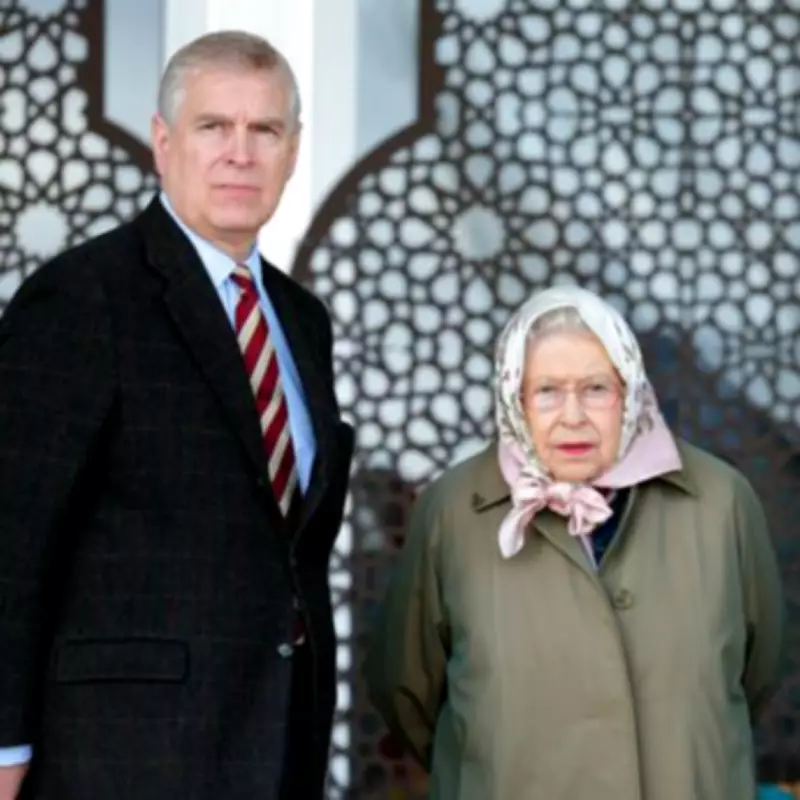
"The poor late Queen would be absolutely heartbroken to see what's happened to the son who was often referred to as her favourite," royal author Phil Dampier revealed, highlighting Andrew's unique position in his mother's affections even during scandal.

Charles' Nursery Nightmare
In stark contrast, King Charles experienced what royal biographer Penny Junor described in her 2005 book 'The Firm' as a "terrifying" nanny who created such an intimidating nursery atmosphere that the Queen kept her distance. This arrangement significantly reduced Elizabeth II's time with her eldest son during his formative years.
"By the time the Queen had the two younger children Helen Lightbody [their first Nanny] had gone and Mabel Anderson, her deputy and a much easier character, was in charge," Junor explained. "She and the Queen were good friends and brought the children up together." This change in nursery staff created fundamentally different childhood environments for the royal siblings.
Sibling Dynamics and Early Behaviour Patterns
Even within the nursery, distinct personality differences emerged between the brothers. Royal author Robert Jobson revealed that Andrew displayed early signs of entitled behaviour, acting as a "bruiser" who bullied his younger brother Prince Edward and would swipe cake from him. Edward learned to yield to his older brother's demands, establishing patterns that would persist into adulthood.
Meanwhile, Charles developed a close bond with Edward despite their sixteen-year age gap, reading to his younger brother at night and sharing imaginative stories. This nurturing relationship contrasted sharply with Andrew's more aggressive approach to sibling interactions.
Shared Passions and Maternal Bonding
Andrew and his mother shared significant common interests that strengthened their bond throughout their lives. Both were passionate equestrians, with Queen Elizabeth II maintaining a lifelong involvement in horse breeding and racing while Andrew rode from a young age and continues to be spotted on horseback around royal estates.
Their shared love extended to the Queen's famous corgis, with Andrew and his daughters Princess Beatrice and Princess Eugenie closely associated with caring for the royal dogs. Following Prince Philip's death in 2021, Andrew and his former wife Sarah, Duchess of York, were given two of the Queen's corgis, and after Elizabeth II's passing in 2022, the dogs continued living with them at Royal Lodge.
Visible Favouritism and Later Consequences
The Queen's visible warmth toward Andrew was frequently noted at public events, particularly during his military service as a Royal Navy helicopter pilot and his active duty during the Falklands War in 1982. Even during the controversy surrounding Andrew's association with Jeffrey Epstein, which led to his withdrawal from public royal duties in 2019, the Queen continued to support him as a family member.
However, royal expert Afua Acheampong-Hagan argues this "favourable" treatment contrasted sharply with how the House of Windsor approached Prince Harry and Meghan Markle. "Look how protected Andrew is, the Queen's favourite son," she noted, highlighting perceived double standards within royal circles.

Institutional Decisions and Current Exile
In January 2022, the late monarch removed Andrew's honorary military roles and royal patronages, and he stopped using the style "HRH" in an official capacity, though reports stressed this was an institutional decision. He continued to appear with her at limited family events, including Prince Philip's memorial service where he escorted her into Westminster Abbey.
Now, Andrew has not only lost his last remaining honorary military title but has been forced to leave his beloved Royal Lodge home, moving 162 miles to Sandringham where he will eventually occupy Marsh Farm. Royal author Andrew Lownie, who penned the biography 'Entitled: The Rise and Fall of the House of York', suggests that while the Queen was formally where the buck stopped, "for the last 15 years of her life, she was sharing her role with Charles."
The dramatic differences in childhood experiences between Andrew and Charles have created lasting impacts on their personalities and relationships, with Andrew's entitled behaviour reportedly stemming from his privileged upbringing while Charles developed resilience through more challenging early circumstances. These contrasting royal childhoods continue to influence the monarchy's current dynamics and public perception.