As the centenary of her birth approaches this April, it is almost impossible to conceive of a world without Queen Elizabeth II. The nation's longest-reigning monarch, however, came perilously close to never being born at all, due to a terrifying incident early in her mother's pregnancy.
The Near-Tragedy on a London Street
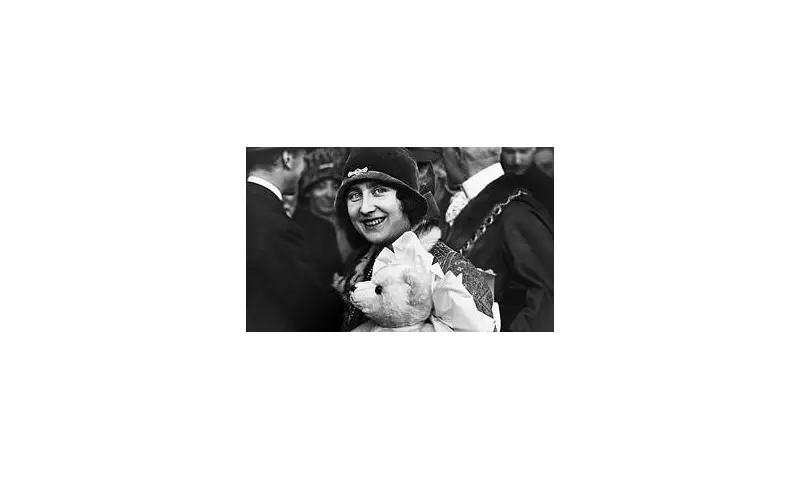
In January 1926, Elizabeth, the Duchess of York, was five months pregnant with her first child. The 25-year-old future Queen Mother was travelling home from visiting friends in Hampstead when her chauffeur-driven limousine neared Lord's Cricket Ground in north London.
A reckless motorist overtook and cut in front of the royal car. Her chauffeur swerved to avoid a collision, smashing instead into a parked bus. The Duchess was thrown to the floor of the vehicle, left bruised and severely shaken, and narrowly avoided a miscarriage.

The socialite MP Chips Channon, returning from Buckingham Palace with the news, exclaimed, 'She very nearly had a miscarriage!' The accident was a profound shock to the Duchess, who was already experiencing a difficult first pregnancy with prolonged morning sickness.
A Pregnancy Shrouded in Secrecy and Fear
The pregnancy had been kept secret from the public. Anxious and unwell, Elizabeth had swapped houses twice during the run-up to the birth. The crash made her even more fearful, and she soon decided to move to her parents' London home at 17 Bruton Street for safety.
Buckingham Palace refused to confirm the Duchess was expecting and attempted to play down the serious smash. In a statement, they disingenuously blamed the bus driver, claiming his vehicle had collided with the royal limousine. They sniffily dismissed the incident as a 'non-event'.
The accident deeply rattled the cheerful Duchess. She confessed to her husband, the Duke of York known as Bertie, that pregnancy had robbed her of one pleasure: 'The sight of wine simply turns me up! It will be a tragedy if I never recover my drinking powers!'
The Birth That Changed British History
The baby was due in late April 1926, but doctors decided to induce birth early. After a difficult labour, Princess Elizabeth Alexandra Mary was born by Caesarean section at 2.40am on 21 April 1926.
Bertie, 'very worried and anxious', paced the house, even bumping into the Home Secretary Sir William Joynson-Hicks, whose presence was required by an ancient royal protocol to witness the birth of a direct heir and prevent substitution.
King George V and Queen Mary were woken at 4am at Windsor Castle with the news. Even a decade before the abdication crisis, the King sensed his eldest son might not prove a lasting monarch, meaning Bertie and Elizabeth's first-born could one day ascend the throne.
Guns in Hyde Park thundered to announce the arrival of the baby who would become Queen. Meanwhile, a four-year-old Prince Philip of Greece, rootless and shuffled between relatives, would not find family security until he married that baby girl 21 years later.
The course of history hinged on that winter's day in 1926. Had the crash been more severe, the child would have been lost. The nation would have gained only a minor royal princess, not a future Queen. The bachelor Prince of Wales was still expected to marry and produce an heir. The entire trajectory of the British monarchy, and indeed the 20th century, would have been irrevocably different.