Royal Manure Pit Approved Near Prince William's Sandringham Residence
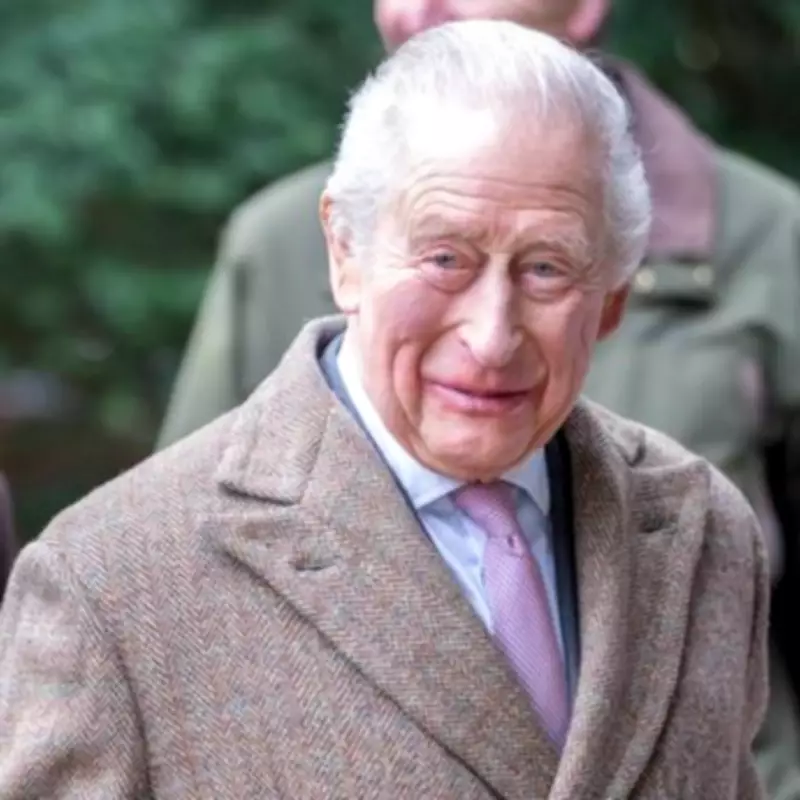
King Charles has emerged victorious in a planning battle to construct a substantial manure storage facility on land he owns near the Sandringham Estate, close to the country home of his son, Prince William, and daughter-in-law, Kate, the Princess of Wales. The decision has ignited significant local discontent, with residents voicing strong objections to the proposed development.
Details of the Approved Development
The approved plans permit the construction of a large pit, measuring approximately 4,000 square metres—an area comparable to four Olympic-sized swimming pools. This structure, informally dubbed a "lagoon" by disgruntled locals, is designed to hold around 10,000 cubic metres of animal manure. The organic waste will subsequently be utilised as fertiliser across the estate's extensive agricultural land, which spans nearly 3,000 hectares and supports crops including wheat, barley, beans, oats, and various heritage grains.
The site is strategically positioned near Anmer Hall, the private residence of the Prince and Princess of Wales within the Sandringham Estate. Planning documents submitted to King's Lynn and West Norfolk Borough Council emphasised that the location is centrally situated to serve the surrounding fields and is visually screened by mature vegetation, minimising its impact on the landscape.

Local Opposition and Concerns
Residents of the nearby village of Flitcham, located just three miles from Anmer Hall, have expressed vehement opposition to the project. Their primary concerns centre on potential negative impacts, including:
- Odour Nuisance: Fears that the large-scale manure storage will generate a persistent and overwhelming stench, affecting daily life.
- Health Risks: Apprehensions about the well-being of vulnerable groups, including pupils at the local primary school and elderly residents.
- Environmental Pollution: Worries regarding potential water contamination from the slurry pit.
- Tourism Disruption: Concerns that the development could deter visitors to the area, which is popular with royal enthusiasts.
One local resident remarked on the irony of the situation, noting, "Goodness knows what William and Kate think about it. It is a bit ironic that the landowner responsible for the plans is William's father, the King." Another stated, "Protecting the physical and mental health and emotional wellbeing of all residents... is paramount. I am strongly opposed to the plans."
Planning Authority's Stance
Planning officer Lucy Smith addressed the local objections, confirming that all comments had been duly noted. However, she clarified that the local planning authority lacks a formal mechanism to assess general odour impacts from a nuisance perspective under the current regulations. Furthermore, the authority concluded that no adverse effects on tourism were likely, given the site's agricultural setting.
The approval was deemed lawful, with the supporting statement highlighting the estate's commitment to sustainable farming practices. It noted that the development aligns with conservation efforts, including agroforestry initiatives that integrate crops and livestock among trees to enhance biodiversity. The new lagoon will facilitate the use of organic fertiliser, supporting these environmental aims.
Buckingham Palace has been approached for comment regarding the approved plans and the local reaction.