Danish Princess Isabella to Begin Military Service Amid Rising War Threats
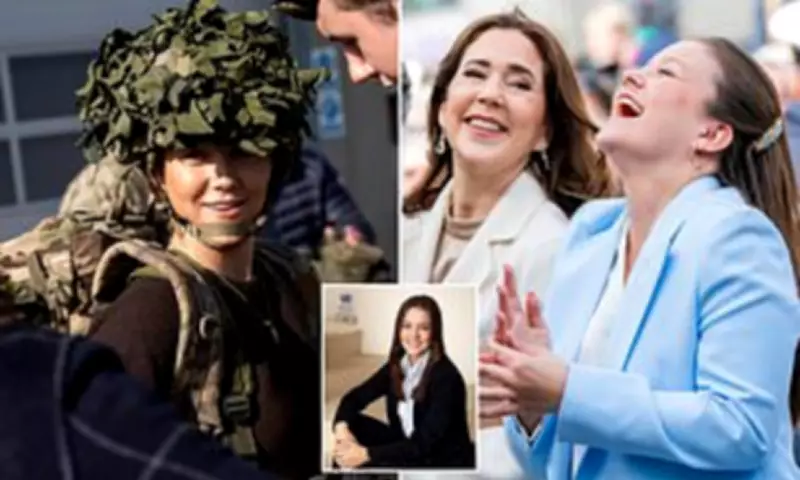
Denmark's royal family is ushering in a new era of national service this year, responding directly to the escalating 'threat of war' across Europe. In a landmark move, Princess Isabella of Denmark is set to exchange her schoolbooks for tactical training as she prepares to join the army later this year.
A Royal Transition from Classroom to Barracks
The 18-year-old eldest daughter of Queen Mary and King Frederik X will commence her military service in August, shortly after completing her high school education. This decision places her among the first cohort of young Danish women called up under the country's newly expanded conscription legislation, which now includes women for the first time in history.
In an official statement released by the Danish Royal House, it was confirmed that the teenage royal will undertake her training at the Guard Hussar Regiment in Slagelse. She follows directly in the footsteps of her older brother, Crown Prince Christian, who began his own service shortly after turning 18 in 2024 at the same regiment.

Now aged 20, the future king has already completed key stages of his military training, with the royal household previously sharing images of him in uniform during exercises and barracks life. This modern rite of passage reflects Denmark's long-standing expectation that members of the monarchy serve alongside the public, reinforcing national unity.
Historic Expansion of Conscription Laws
The milestone of Princess Isabella joining the military marks a profound cultural shift for Denmark, where compulsory military service has historically applied exclusively to men. Due to growing global instability—including rising tensions with Russia and geopolitical strain involving the United States—the Scandinavian nation has fast-tracked defense reforms to bolster its armed forces.
As of July 2025, all 18-year-old women in Denmark have been required to register for potential military service, with the duration extended significantly from four months to eleven months. This extension aims to strengthen combat readiness and ensure the nation is prepared for any emerging threats.
Princess Isabella is expected to be among the first wave of young women to undertake the full-length program, a development that underscores both the urgency of the current geopolitical moment and the monarchy's alignment with national security priorities. While it remains unclear whether the royal volunteered or was selected via Denmark's lottery system, early reports indicate that the initial intake of the expanded program has been largely composed of volunteers eager to serve their country.
Geopolitical Pressures Driving Change
This significant shift comes as Denmark navigates what experts have described as a 'precarious' global position, facing pressure from both traditional adversaries and unexpected allies. Concerns over Russian aggression, combined with surprising threats from former US President Donald Trump regarding Greenland, have fueled a renewed sense of urgency across the nation.
'We need to get as many people as we can [in the military],' one young recruit stated, highlighting the growing sentiment among Denmark's youth. 'We just have to be ready for whatever they deem we need to be ready for.'
For many Danes, the inclusion of women in conscription is viewed not as symbolic but as essential to national defense. 'We're nothing special because we're women. When we put our uniform on, we are all soldiers,' another recruit emphasized, reinforcing the country's push for equality within its armed forces.
Global Attention on Royal Service
Back in Denmark, Princess Isabella's decision—or duty—is likely to attract substantial global attention, particularly given her unique position as the daughter of Queen Mary, the Australian-born royal who recently returned to her homeland for a high-profile tour alongside King Frederik. The couple's six-day visit in March saw them welcomed at Canberra's Government House and travel across Australia, with poignant stops at Uluru and Tasmania, where Mary spent her formative years.

Now, just weeks later, international focus has shifted to their daughter and her imminent transition from royal teenager to military trainee. The new conscription model is projected to dramatically increase the number of young people undertaking service each year, with estimates suggesting up to 6,500 recruits annually by 2033.
While the idea of a princess entering military life might once have seemed extraordinary, in contemporary Denmark, it is rapidly becoming the new normal. 'The whole world is such an unstable place at the moment… we have to prepare ourselves for the future,' one recruit remarked.
For Princess Isabella, that future—marked by discipline, duty, and national service—is now merely months away, representing both a personal journey and a national imperative in uncertain times.