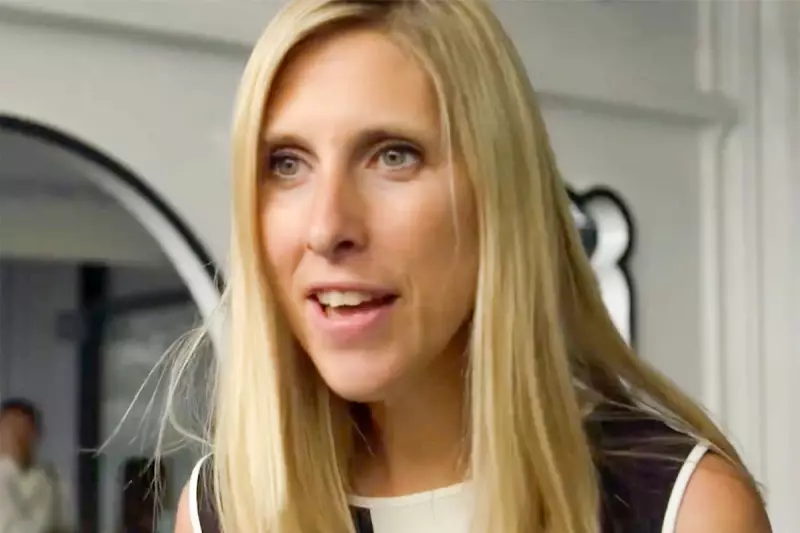
The House of Windsor, an institution famed for its discretion and aversion to rapid staff changes, has made a significant and surprising new appointment. Kensington Palace has confirmed that Liza Ravenscroft, a senior director at global communications firm Edelman, will join Team Wales to handle public relations for the Prince and Princess of Wales.
A Nickname That Speaks Volumes: 'Bulletproof Sunshine'
Ravenscroft is no ordinary PR advisor. Her professional profile boasts the formidable nickname 'bulletproof sunshine', and she specialises in supporting leaders through their "worst ever days in the office". Her expertise lies in navigating high-stakes crises, from boycott campaigns and sexual allegations to serious safety and geopolitical risks. While the palace downplays the link, insisting her role will focus on day-to-day press, her CV suggests the future King and Queen are preparing for turbulent times.
The timing of this hire is particularly pertinent. This week, Prince Harry returns to the UK for a final court showdown in his litigation against the Daily Mail. He is expected to be in a confident mood, buoyed by the likely restoration of his UK security detail. This is not a one-off visit either; plans are reportedly being made for both the Duke and Duchess of Sussex to return to Britain this summer for Invictus Games commitments.

The Sussex Factor and a Stubborn Heir
This presents a persistent public relations challenge for Prince William. The dynamic around Harry and Meghan has shifted. The fallout from the Andrew Epstein scandal has inadvertently cast the Sussexes in a more benign light, and Meghan's successful commercial ventures in the US command a certain respect. The British public may greet her return with curiosity rather than hostility.
Yet, reconciliation appears off the table. A source close to the palace was unequivocal: William is "not for turning". The future King's influence over his father, Charles III, is significant. While the King might instinctively seek to heal the rift, age and illness have made him more reliant on his resolute eldest son. This creates an intractable problem for any communications chief. How does one persuade a steadfast heir to the throne to change course on a deeply personal family conflict?
William's independent streak is well-documented. An insider revealed that when the palace refused a helicopter for him and his children a few years ago, he simply chartered his own, flouting royal protocol about heirs and monarchs not sharing flights. This same stubbornness applies to the Sussex estrangement.
Beyond Harry: Wealth, Andrew, and an American Trip
The PR hurdles extend far beyond family drama. The monarchy's finances, particularly the Duchy of Cornwall's wealth, are under increased scrutiny. Unlike his father, Prince William does not publish his Duchy tax returns. Last year, broadcaster David Dimbleby derided the Windsors as "plutocrats", a sentiment that resonates during a cost-of-living crisis. Managing the narrative around unaccountable, inherited wealth is a ticking PR challenge, especially with younger generations.
Furthermore, the optics of Prince Andrew's situation remain damaging. While William led efforts to strip his uncle of royal privileges, Andrew's move to another grace-and-favour home contrasts sharply with the Sussexes having no royal residence in the UK. The monarchy cannot be seen to favour the disgraced Andrew over Harry.
A potential bright spot is a mooted summer trip to the United States for the Prince and Princess of Wales, coinciding with America's 250th-anniversary celebrations. A successful charm offensive could bolster the royal brand. However, with the unpredictable nature of dealing with a potential second Trump administration, even this carries risk.
The appointment of Liza Ravenscroft, facilitated through King Charles's former communications secretary Julian Payne, signals a coordinated effort between the monarch and his heirs. Her ultimate test will be guiding the famously headstrong Prince of Wales. The monarchy's future stability may depend on its ability to modernise, address public concerns over privilege, and navigate the relentless spotlight on its fractured family dynamics.