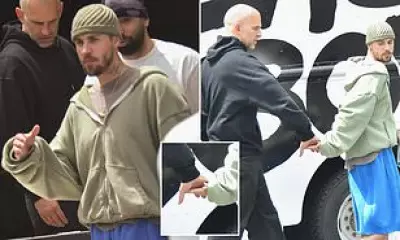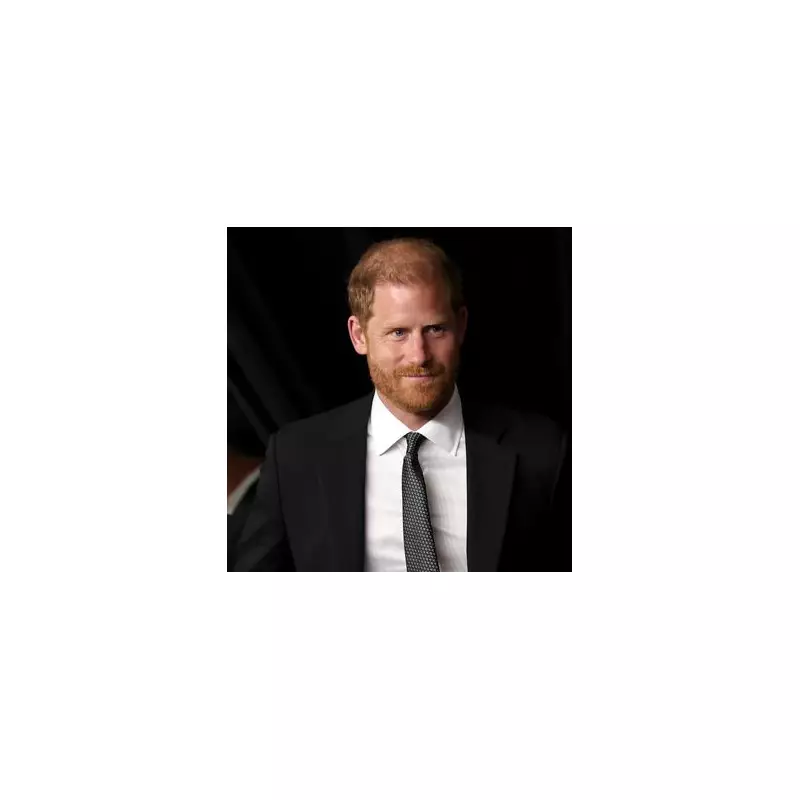
The Duke of Sussex's long-running campaign to secure automatic armed police protection during visits to the United Kingdom has received a notable, albeit conditional, endorsement from a prominent royal commentator.
The Crucial Condition for Taxpayer-Funded Security
Veteran journalist Sarah Vine has argued that the British public should only finance protective security for Prince Harry and Meghan Markle under one specific circumstance. In her column for the Daily Mail, Vine stated that funding would be acceptable only if Meghan accompanies the couple's children, Archie, six, and Lilibet, four, as they visit their British relatives.
This stance emerges as the couple, who relocated to the United States in 2020, await a pivotal verdict on their plea for state-funded armed protection. Prince Harry, 41, has repeatedly cited security concerns as a primary reason for his reluctance to bring his young family to the UK.

A Family Divided and the 'Half In, Half Out' Dilemma
The expert's intervention highlights the complex personal and constitutional tensions at play. Ms Vine described as "plain wrong" the fact that the two young children have not met their cousins and have not seen their grandfather, King Charles, since June 2022. Archie is sixth in the line of succession to the throne.
However, Vine's support is sharply qualified. She contends that outside of facilitating these family visits, the Duchess should pay for her own security "like every other celebrity," pointing to the couple's considerable commercial success, including reports that Meghan's American Riviera Orchard brand has sold nearly £27 million worth of jam.
The Broader Implications for the Royal Landscape
The core controversy lies in the funding model and precedent. Currently, only 'working royals' like Princess Anne and Prince Edward receive taxpayer-funded armed protection, and typically only when on official duties. Granting the Sussexes automatic, round-the-clock state security while they pursue independent careers could, critics fear, create a problematic "half in, half out" royal status.
Sources close to Prince Harry suggest he is confident of a favourable ruling, believing it "would change everything" regarding his family's ability to travel to Britain safely. The final decision will not only impact the Sussexes' travel plans but also set a significant precedent for the relationship between the monarchy, private citizens, and public finance.