For many unmarried, child-free adults in the UK, the Christmas period involves contorting themselves to fit into other people's plans. Journalist Helen Coffey, 38, has decided this year to break that cycle and reclaim the holiday on her own terms.
The 'Spare Part' Festive Experience
Helen Coffey loves her family, describing her mother as "a delight" and her sister as "the best human that ever lived". Despite this, she has consistently felt like an awkward addition during Christmas celebrations. Without a long-term partner or children – the traditional markers of adulthood – she has spent years slotting in around other people's itineraries.
This has meant eating Christmas dinner in a bleak conference centre at a step-brother's request, celebrating in her brother-in-law's parents' home, and being squeezed into an oversubscribed table at her step-sister's. For 38 years, barring two exceptions, she has been the proverbial odd one out.

While grateful for her extended family's willingness to include her, she describes the unspoken question hanging over her each year: "What will we do with Helen this year?". She likens the experience of the single adult to being "a piece of lost luggage, shunted from place to place".
A Widespread Festive Compromise
Coffey's experience is far from unique. New research from Tesco Mobile reveals that a staggering 57 per cent of people will not spend the festive period in their ideal way, forced to make compromises due to family circumstances. Furthermore, a YouGov poll found family tensions were the worst element of Christmas for four per cent of Brits.
The phenomenon of awkward sleeping arrangements for returning adult children, often shared online by singles using hashtags like #DuvetKnowItsChristmas, underscores the feeling of not quite fitting into the traditional family framework.
This year, an estimated 11 per cent of the UK's population will spend Christmas Day alone, according to analysis from home care provider Noble Live-In Care.
Taking Back Control with 'Friendsmas'
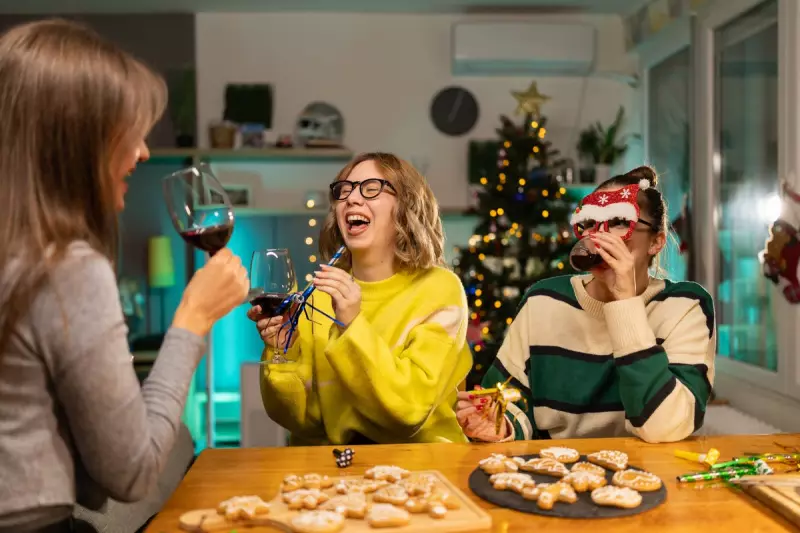
After decades of diplomacy, Coffey decided to "take back control" of her 2025 Christmas. She planned a "Friendsmas" in Margate with two other single, child-free friends, booking a lavish house complete with a sauna and outdoor roll-top bath.
She approached telling her family with immense anxiety, bracing for disappointment. However, her mother thought it sounded "marvellous", and her sister was emotional only because she felt Coffey had carried the burden of conformity for too long. Their reaction mirrored a sense of relief, perhaps influenced by the fact that 47 per cent of people feel pressure to host the "perfect" Christmas, as per a Sainsbury's survey.
Liberated from expectation, Coffey and her friends crafted their own perfect holiday. Their plans included a Christmas Eve pub crawl, almond croissant breakfasts, board games, films, and Chapel Down sparkling wine. They incorporated personal traditions like Carols from King's and a Boxing Day dip, free from rigid "we've always done it this way" mandates.
Permission to Prioritise Yourself
Coffey's message to others in a similar position is one of empowerment. She argues that it is not selfish for single, child-free individuals to break free from festive shackles and put themselves first. The day belongs to them as much as anyone, regardless of marital or parental status.
Choosing a self-directed "Friendsmas" can be a radical and liberating act, offering a sense of agency often missing during the traditional holiday scramble. It is, she concludes, perhaps the best Christmas present a person can give themselves.