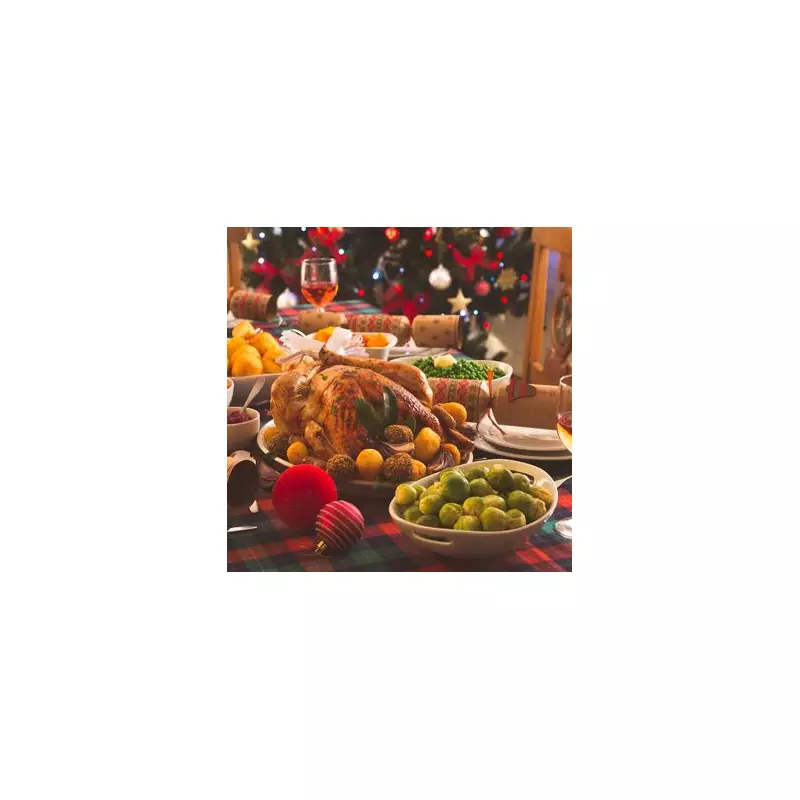
As Christmas Day dawns across the United Kingdom, the nation's ovens are heating up in anticipation of the centrepiece of the festive feast: the roast turkey. This year, as in every year, over ten million of these birds will be prepared, roasted, and heartily devoured in homes from Land's End to John O'Groats.
From Goose to Gobbler: The Pre-Turkey Christmas Table
It is hard to imagine a proper British Christmas dinner without a golden turkey taking pride of place. Yet, this now-iconic bird was not always the star of the show. For centuries before the turkey arrived on these shores, the traditional Christmas meal featured other hearty fare.
The main dishes of choice were roast beef and goose. These meats were plentiful and provided the substantial meal needed during the cold winter season. However, a significant shift in festive dining habits was on the horizon, driven by practicality and royal influence.

The Tudor Turkey: A King's Christmas Choice
The story of the British Christmas turkey begins in the mid-1500s, when the first turkeys were brought to England. Their adoption for the festive table, however, is credited to one of history's most famous monarchs: King Henry VIII.
Contrary to popular belief, the tradition was not borrowed from North American Thanksgiving celebrations. Instead, it was Henry VIII who decisively placed turkey on the culinary map. The king famously decided to swap his usual Christmas goose for a Norfolk Black turkey, setting a powerful trend that the wealthy and aspirational classes were eager to follow.
Farmers of the era also saw the practical benefits of serving turkey at Christmas. Unlike cows and chickens, which were valuable for their ongoing production of milk and eggs, turkeys were primarily reared for their meat. Choosing a turkey for the feast meant preserving the livestock that provided essential daily sustenance.
A Tradition Takes Hold: The Turkey's Rise to Fame
The royal seal of approval propelled the turkey's popularity. By 1573, historical records show that turkey had become a common feature on the Christmas table. Its favour grew steadily throughout the following century, cementing its status as the festive bird of choice across England.
Today, the legacy of that Tudor monarch's Christmas dinner is felt in millions of British households. The journey from a royal novelty to a national tradition is a testament to how culinary customs evolve, blending practicality with the powerful influence of trendsetters. So, as you carve your turkey this Christmas, remember you are participating in a feast with a history stretching back over 450 years to the court of a Tudor king.