The Princess Who Captivated America: Elizabeth's Unexpected WWII Role
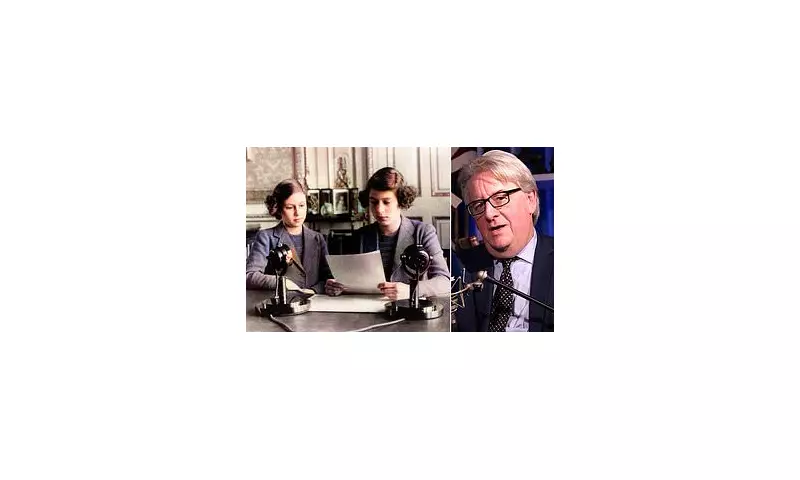
In a fascinating new episode of the Daily Mail's Queens, Kings and Dastardly Things podcast, royal historian Robert Hardman unveils how the late Queen Elizabeth II was repeatedly deployed as Britain's secret diplomatic weapon to salvage the crucial special relationship with the United States. Speaking to co-host Kate Williams, Hardman traces this remarkable story back to a pivotal moment in October 1940, when a fourteen-year-old princess made her first radio broadcast.
A Nation Alone: Britain's Desperate Position in 1940
By autumn 1940, Britain stood isolated against Nazi Germany following France's surrender and America's firm policy of non-engagement in European conflicts. The country endured relentless bombing during the Blitz, with national survival increasingly dependent on drawing the United States' industrial might into the war against Hitler. It was against this backdrop of existential threat that Prime Minister Winston Churchill asked the young Princess Elizabeth and her sister Margaret to address children across the Commonwealth.
The Broadcast That Went Viral Before Its Time
On October 13, 1940, during the BBC's Children's Hour, the future Queen delivered a speech intended primarily as a morale booster for British evacuees sent to safety in Canada, America, and other Commonwealth nations. The address blended steely wartime resolve with touching childhood innocence, but its most memorable moment came unexpectedly at the transmission's conclusion.

As Elizabeth invited her ten-year-old sister to join in wishing Commonwealth children goodnight, Margaret momentarily hesitated. The future Queen's gentle prompt—Come on, Margaret—created an authentic, spontaneous moment between sisters that would define the broadcast's legacy. This unscripted interaction resonated powerfully with American audiences, transforming what was meant as a simple morale exercise into what Hardman describes as the equivalent of going viral today.
Cross-Atlantic Impact: From Radio Waves to Vinyl Records
The speech's popularity in the United States surprised everyone involved. American distributors quickly released the broadcast as a commercial record, pressing it onto vinyl and selling copies in shops across the country. This unprecedented reception occurred precisely as America engaged in fierce national debate about entering the European war.
Hardman explains that while the broadcast's direct political impact cannot be precisely measured, its timing proved extraordinarily fortuitous for British interests. France's collapse earlier in 1940 had begun weakening American isolationist sentiment, while Britain's determined resistance during the Battle of Britain provided further arguments for interventionists. The young princess's address humanised Britain's struggle at a crucial moment when American public opinion showed its first significant shifts toward engagement.
Historical Significance: Paving the Path to Alliance
Though the United States would not officially enter World War II until fourteen months later following the Pearl Harbor attack in December 1941, this early demonstration of royal diplomacy established patterns that would continue throughout Elizabeth's reign. The broadcast revealed how royal authenticity could transcend formal diplomacy, creating emotional connections that political negotiations alone could not achieve.
Hardman's analysis suggests this childhood episode established Elizabeth as an unexpected asset in Anglo-American relations, a role she would reprise during numerous diplomatic challenges throughout her seventy-year reign. The podcast episode provides compelling evidence that the special relationship between Britain and America has often been nurtured through such personal, human connections as much as through formal political channels.