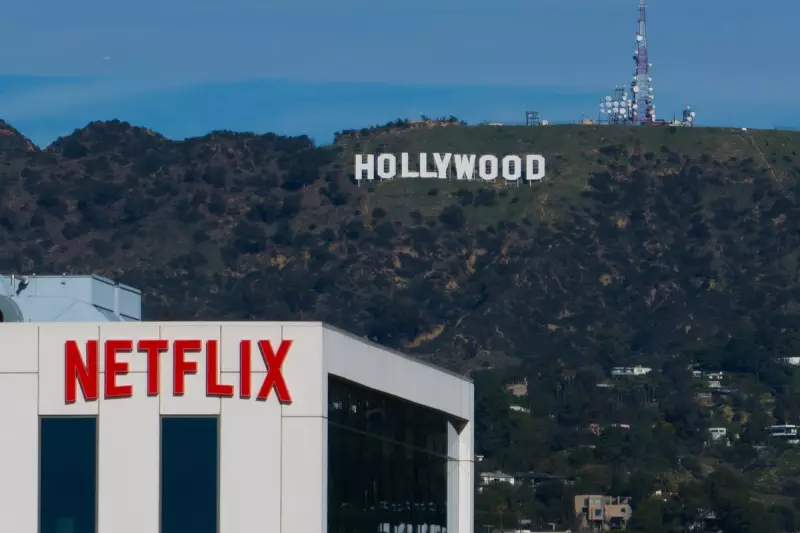
Netflix has concluded the previous year with a robust financial performance in the fourth quarter, yet this achievement is overshadowed by a notable deceleration in subscriber growth. This slowdown has brought heightened attention to the company's contentious $72 billion bid to acquire Warner Bros., aiming to integrate HBO Max into its streaming portfolio.
Financial Performance and Subscriber Metrics
The results announced on Tuesday surpassed the expectations of stock market analysts, showcasing Netflix's continued strength in revenue and profit. However, the report revealed that the video service ended the year with over 325 million global subscribers, indicating an addition of approximately 23 million since 2024. This increase marks a significant slowdown from the 41 million subscribers gained during 2024, raising investor concerns that Netflix's growth may have peaked.
Impact of Advertising-Supported Tier
The slowdown is partly attributed to the 2022 introduction of a low-priced, advertising-supported version of the service, which initially triggered a massive surge in subscribers. Management has forecast a profit for the January-March period that falls below analysts' predictions and announced that Netflix will halt its stock buyback programme while attempting to finalise the Warner Bros deal.

Investing.com analyst Thomas Monteiro commented, "Overall, this points to a challenging start to the year." Despite better-than-anticipated profit and revenue for the past quarter, with earnings of $2.4 billion or 56 cents per share—a 29% increase from the previous year—and revenue rising 18% to over $12 billion, Netflix's shares sank 5% in extended trading.
Warner Bros Bid and Competitive Landscape
The financial results almost seem secondary to the high stakes involved in Netflix's bidding war to acquire Warner Bros. Discovery. Earlier on Tuesday, Netflix converted its original offer, which included a stock component, into an all-cash deal. This move aims to simplify the process and make it easier for Warner Bros. Discovery shareholders to resist overtures from Paramount.
Regulatory Hurdles and Market Uncertainty
While Warner Bros has reiterated its commitment to completing the deal with Netflix, Paramount shows no signs of backing down and may sweeten its counteroffer to increase pressure. Additionally, Netflix must persuade U.S. regulators that adding HBO to its streaming service, which already has the most subscribers in the country, will not stifle competition or drive up prices further, following recent increases.
This uncertainty has been reflected in Netflix's stock price, which has fallen by 20% since its agreement with Warner Bros. Discovery was unveiled last month. A cloud is likely to hang over Netflix through most of this year, as the company does not expect to complete the purchase until Warner Bros. Discovery spins off its cable TV business—a process anticipated to take six to nine months.