BBC's Repair Shop Episode Cancelled Over 'Sexist' Joke in Bob Monkhouse Archives
A scheduled episode of the BBC's popular television programme The Repair Shop has been reportedly pulled from broadcast after a production employee took offence to a 'sexist' handwritten joke discovered within the historical archives of legendary comedian Bob Monkhouse.
Historical Joke Books Spark Modern Controversy
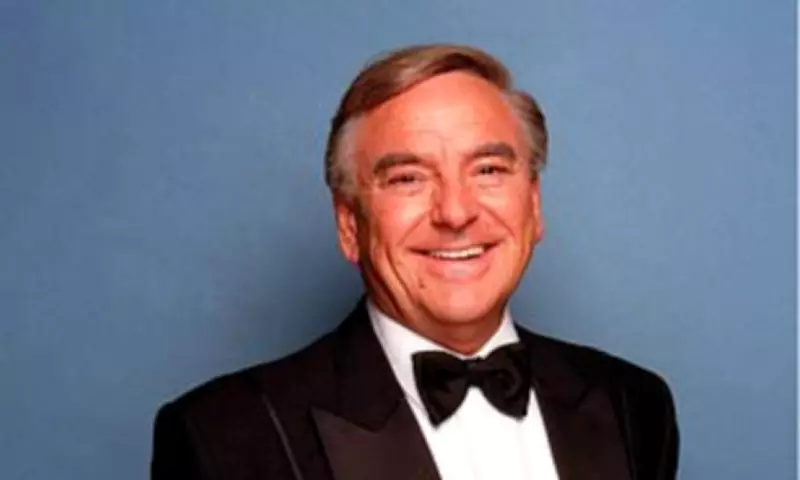
The hardback archives containing Bob Monkhouse's handwritten joke books, dating as far back as the 1960s, were brought to The Repair Shop for restoration by the late comic's adopted daughter Abigail Williams and his former writing partner Colin Edmond. The footage of this restoration was intended to air this year as a tribute to the beloved entertainer, who passed away in 2003 at the age of 75.
However, BBC executives made the decision to axe the entire segment after a member of the production company Ricochet complained that one of the jokes within the archives was deemed sexist. A source revealed to The Sun newspaper that 'a production employee stumbled across a joke – no doubt written in the 1960s – and took offence, believing it to be sexist.' The source added that 'they flagged the problem, and a "collective decision" was made to cull the whole thing.'

Disappointment Among Experts and Family
The experts who were eagerly awaiting the opportunity to lovingly restore these historical joke books were left disheartened by the cancellation. Furthermore, Bob Monkhouse's loved ones, who had agreed to participate in the show to passionately discuss his life and legacy, were described as being at a loss. The source characterised this as potentially 'the corporation's most embarrassing decision yet.'
The joke journals themselves represent a significant piece of British comedy history. They contain thousands of pages filled with handwritten gags, illustrated cartoons, and personal doodles. Bob Monkhouse began working on these books in the early 1960s and continued to use them right up until his death. He always carried a couple of his joke books with him, referring to them as his 'running files,' which he stored in a suitcase he called 'the silver bullet.' This allowed him to add fresh observations or comedic lines as they came to him.
A Notorious Theft and Recovery
The archives have a dramatic history of their own. In 1995, two volumes of these 'running files' went missing, prompting Monkhouse to go public about their existence and offer a reward for their return. The comedian was reportedly distraught over the theft and had given up hope after six months. However, the books were eventually recovered 18 months later when his agent received a mysterious phone call. A meeting was arranged, the books were handed over, and a reward of £10,000 was paid. Police, who had been monitoring the exchange, then swooped in and arrested the individuals involved.
After Bob Monkhouse's death, the joke books were stored in suitcases under the desk of Colin Edmonds, who was gifted them in the comedian's will. The archives contain material that reflects the era in which they were created, including cartoons of topless women and jokes that might be considered sexist by contemporary standards. Edmonds previously commented: 'They are of their time. There are things that were acceptable in the Seventies which one wouldn't dream of saying today.'
Monkhouse's Illustrious Career
By the time Bob Monkhouse started compiling these joke books, he was already a major television star, presenting popular quiz shows such as The Golden Shot and Sunday Night At The London Palladium. His career began on BBC radio, where he performed and wrote jokes for comedy greats like Arthur Askey, Dean Martin, and his hero Bob Hope. He transitioned to television in 1952 with the sketch show Fast And Loose, followed by My Pal Bob and appearances on Candid Camera and What's My Line?, which ultimately led to him being offered The Golden Shot.
Colin Edmonds, who brought the archives to the show, was inspired by watching these programmes as a young boy with his family. He knew early on that he wanted to become a comedy writer and began posting his own written jokes to comedians at the age of 16.

Official Statements on the Decision
The BBC provided a statement to The Sun, explaining that the decision to axe the Bob Monkhouse segment of The Repair Shop was a 'production decision' which the corporation 'supported out of consideration for all viewers.' A spokesperson for Ricochet added: 'Making decisions on which items to repair and include in the programme is part of the normal production process. These decisions are based on a range of factors.'
This incident highlights the ongoing challenges broadcasters face when balancing historical preservation with modern sensibilities and audience expectations.