BBC Demands Enhanced Vetting After Apprentice Contestant's Offensive Tweets Surface
The BBC has urged the production company behind The Apprentice to implement stricter background checks on contestants following the emergence of deeply offensive social media posts from a decade ago by this year's participant, Levi Hodgetts-Hague. The broadcaster stated it was "completely unaware" of the abhorrent comments prior to the show's new series launch this Thursday.
Unacceptable Views Prompt Urgent Review
The unearthed tweets, posted over ten years ago, contained derogatory language describing Muslims as "dirty", women with offensive slurs, and police officers as "pigs". They also expressed support for far-right activist Tommy Robinson and urged opposition to Islam. A BBC spokesperson confirmed the independent production company, Naked, has been asked to conduct a full review of its social media vetting procedures, acknowledging that "the process has clearly failed in this instance." The corporation emphasised that the views presented are totally unacceptable and are being taken extremely seriously.
A Recurring Pattern of Controversial Casting
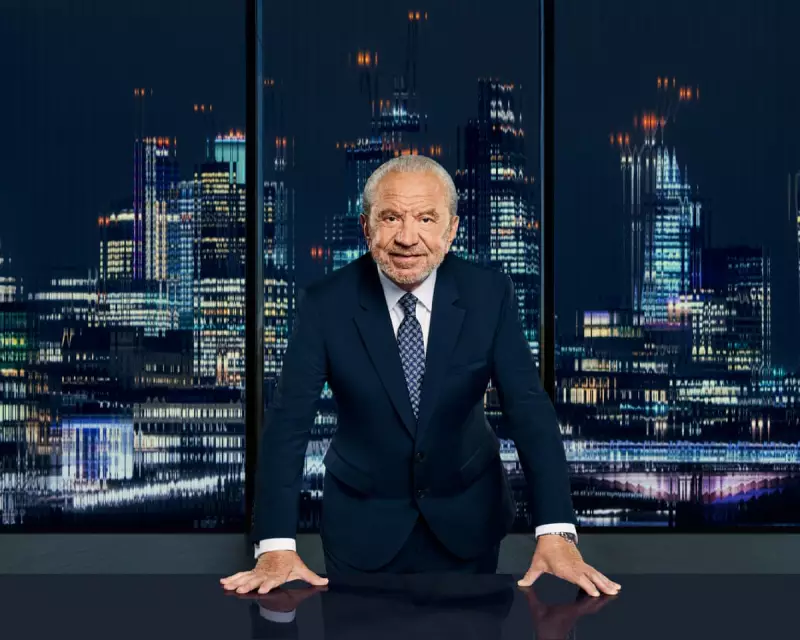
This incident is far from an isolated case for the long-running business reality show, fronted by Lord Alan Sugar. In January, a former contestant from the 2024 series, Dr Asif Munaf, was struck off the medical register after a tribunal found he had posted 36 antisemitic, racist, and sexist social media posts. Previous seasons have also featured contestants with problematic backgrounds, including season 13's Tom Bunday, who had been jailed for violent assault, and the inclusion of rightwing commentator Katie Hopkins in 2006, which caused significant public outrage.

Industry Experts Point to Systemic Issues
Celebrity PR Julian Henry asserted that ultimate responsibility lies with the production company for vetting talent, not the BBC. He noted that while background checks are time-intensive and costly, there is a temptation for casting teams to cut corners. Professor Jamie Medhurst of Aberystwyth University suggested the scandal, combined with last year's MasterChef host controversy, indicates a potential lack of oversight in the BBC's commissioning processes with independent producers.
Professor Medhurst also highlighted the inherent tension in reality TV casting, where producers seek "interesting" characters to generate drama and tension, which may not align with selecting entirely "safe" candidates. "Adding people like Hopkins into the mix makes for more engaging viewing if you think of the drama that might ensue," he observed.
The Complex Reality of Ensemble Casting
Alex Segal, Managing Director of InterTalent agency, explained that shows like The Apprentice and The Traitors operate with ensemble casts, where each participant is chosen to fit a specific role to create a dynamic mix of personalities, backgrounds, and viewpoints. "When you have a mix it creates drama, because people think differently to other people, and that creates drama, tension and humour – all the things that make a great TV show," Segal said. He noted that many contestants are approached directly rather than applying, adding another layer to the vetting challenge.
Segal detailed that casting agents typically use people or AI to conduct deep dives into social media histories, searching for rude language or extreme views, often outsourcing this to specialised companies. However, he cautioned that this process is not bulletproof, as it can miss offensive sentiments not expressed through specific keywords being monitored. "If Hodgetts-Hague's comments had been picked up, he wouldn't have made the show I suspect," Segal stated. "Clearly it slipped the net. In this particular case they'll all be very disappointed, it's not the way they want to start a new series."

Established Safeguards and Ongoing Scrutiny
All Apprentice candidates undergo Disclosure and Barring Service (DBS) checks, have their social media history investigated by a third-party provider, and receive social media training that includes guidance on inclusive language and respectful behaviour. A spokesperson for Naked affirmed the company's commitment, stating: "We are fully committed to our duty of care and compliance responsibilities and have robust casting processes in place across the show. Compliance is taken extremely seriously, and our procedures are kept under continual review."
As the new series prepares to launch, this incident has cast a spotlight on the perennial challenge of balancing compelling television with rigorous ethical standards in the high-stakes world of reality show production.