The BBC is facing a significant backlash from viewers and prominent figures over its coverage of the ongoing, deadly protests in Iran, following a report on its flagship News at Ten programme that was marred by embarrassing technical errors and criticised for its editorial tone.
Blunders and Backlash on News at Ten
The report, presented by Jane Hill on Friday, intended to cover the nationwide protests which have become the most serious challenge to Iran's Islamic Republic in years. However, the segment was undermined by a series of unedited mistakes from Diplomatic Correspondent Caroline Hawley. Viewers clearly heard Hawley say, 'Sorry, I'll take that again', followed later by her musing 'One more little bit...', comments clearly not intended for broadcast.
Further technical issues saw loud crowd noise from protesters accidentally play over audio of US President Donald Trump speaking. Social media users and actor John Cleese were quick to condemn the broadcast, with Cleese branding the BBC's approach as 'shameful'. One viewer accused the corporation of producing a report that had been 'thrown together', showing disrespect to both the audience and the gravity of the subject matter.

Platform for Khamenei Amidst Brutal Crackdown
Beyond the production errors, the report's editorial choices provoked anger. It featured a 30-second statement from Iran's Supreme Leader Ayatollah Ali Khamenei, who labelled the protesters as 'vandals' seeking only to 'please' Donald Trump. The segment described Khamenei as 'characteristically uncompromising'.
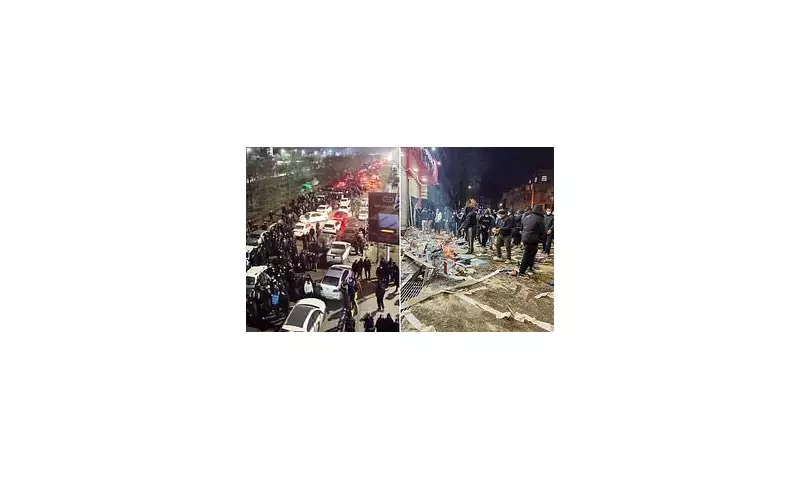
This focus occurred against a backdrop of severe state violence. According to human rights activists, the death toll since the protests began a fortnight ago has risen to at least 62, with more than 2,300 people detained. The protests, which started in Tehran over dire economic conditions, have now spread to over 30 towns and cities across all of Iran's 31 provinces, meeting a 'typically brutal crackdown' from the Revolutionary Guards.
Blackouts and International Condemnation
The BBC's report aired as Iran entered a nationwide internet blackout exceeding 36 hours, a move Amnesty International states aims to hide the regime's human rights violations. The blackout has made verifying events on the ground increasingly difficult.
International pressure is mounting. The foreign ministers of Australia, Canada, and the European Union issued a joint statement condemning Iran's use of 'excessive and lethal force'. US President Donald Trump commented that Iran's leaders looked to be 'in big trouble', reiterating a threat of military action if peaceful protesters are killed.
The criticism of the BBC's coverage adds to existing scrutiny, with allegations the broadcaster had not given sufficient attention to the scale of the protests. The corporation has been contacted for comment regarding the errors and editorial decisions in Friday's report.