BBC's 'Woke' Trigger Warning on Classic Brum Episodes Sparks Viewer Backlash
BBC's 'Woke' Warning on Brum Sparks Viewer Backlash

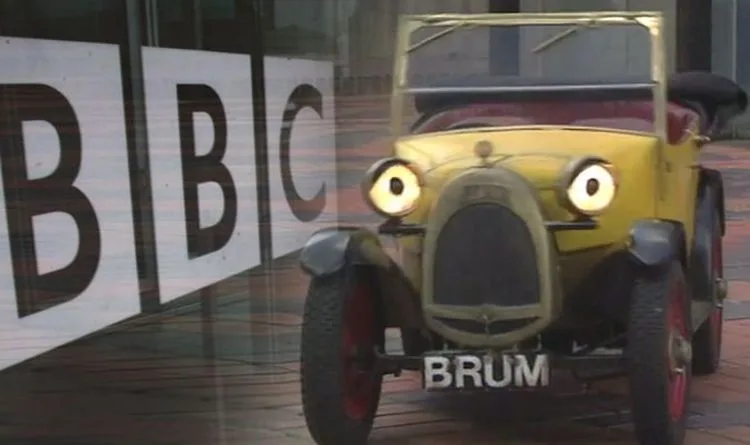
BBC audiences have been left astonished and bemused after noticing a so-called 'woke' trigger warning attached to episodes of the beloved 1990s children's television programme, Brum. The nostalgic series, which follows the adventures of a sentient vintage car, now carries a disclaimer on BBC iPlayer alerting viewers to potentially outdated 'language and attitudes'.

Viewer Reaction to the Disclaimer

The pop-up message, which appears before playback, states: 'This series was originally aired in the 90s and early 00s and may reflect the language and attitude of the time.' This notice has provoked a significant reaction on social media platforms, with many fans taking to forums like Reddit to express their disbelief. One user humorously questioned, 'What the hell did Brum do?', while others mocked the implication that the innocent show could contain offensive material.

Historical Context and BBC Response

Brum, first broadcast in 1991 and produced by Anne Wood with narration by Toyah Willcox, enjoyed immense popularity for its charming tales of a car that sneaks out to help people and solve minor mysteries. The trigger warning was initially spotted by viewers in 2020, prompting the BBC to clarify that it had been 'added in error' and subsequently 'removed from the series on iPlayer'. Despite this correction, the incident has reignited discussions about the broadcaster's approach to classic content.

On online forums, viewers shared their frustrations, with one commenting, 'The 90s and 00s being seen the same way as the 70s were in my childhood hurts.' Another added, 'I really hate that this warning exists,' and a third joked about the character, who communicates through car sounds, saying, 'You should hear some of the language he uses! They are always beeping it out.' Further light-hearted critiques included remarks about Brum's behaviour, such as, 'Brum used to go out and steal something in every episode! He’d get back and have stuff left in the back seat,' and, 'He doesn't meet modern emissions standards.'

Broader Trend of Trigger Warnings on BBC Classics

This incident is not isolated, as the BBC has applied similar disclaimers to other classic shows in recent years. For instance, the sitcom Some Mothers Do 'Ave 'Em now features a warning for 'discriminatory language' in a 1975 festive episode, where a homophobic slur is used. The warning reads: 'This episode contains discriminatory language which some may find offensive.'

Other Affected Programmes

Additionally, a Doctor Who spin-off, The Savages, which first aired in 1966 and has been re-released in animated form, carries warnings for 'verbal references to discrimination and the discriminatory social structure of an alien society.' Popular series like The Royle Family have also been flagged, with several episodes from its early series receiving content alerts, though specific scenes are not detailed. In one episode, a character uses the term 'batty boy,' which likely contributed to the warning.

The Fast Show, a 1990s sketch comedy, has been hit with disclaimers for 'discriminatory language' in episodes containing controversial jokes. For example, one scene includes a reference to a 'she-male,' while another features characters labelling women as 'lesbians' after being rejected. Similarly, Ricky Gervais's The Office now has additional content notices on nearly half of its episodes, alongside existing parental guidance labels.

Implications for Nostalgic Content

These trigger warnings reflect a broader cultural shift in how historical media is contextualised for modern audiences. While the BBC aims to acknowledge changing social norms, the move has sparked debate about censorship and the preservation of artistic integrity. As classic shows like Brum, which are no longer available on iPlayer but can be found on YouTube, continue to evoke fond memories, the addition of such disclaimers highlights the tension between contemporary sensitivities and nostalgic viewing experiences.

Ultimately, the backlash underscores a growing concern among viewers about the perceived 'woke' crackdown on beloved television programmes, raising questions about how broadcasters balance historical accuracy with current societal values.