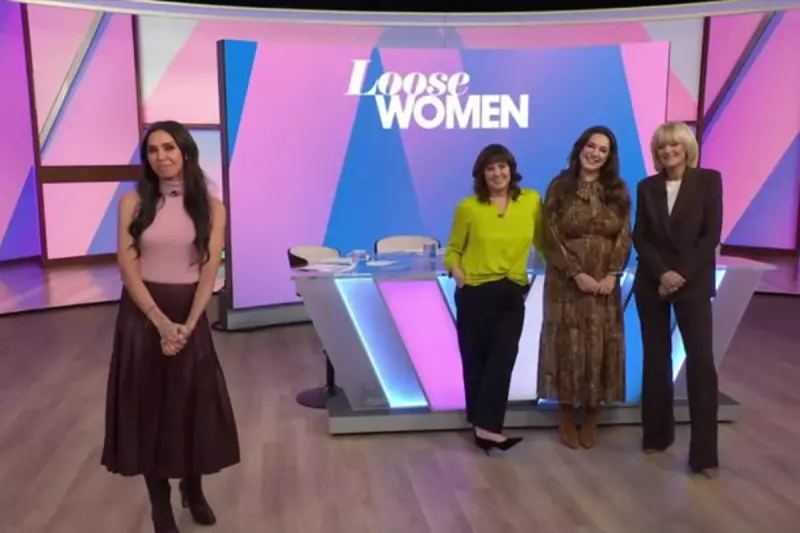
Television presenter Coleen Nolan has openly discussed her financial worries following significant cuts to ITV's flagship daytime show, Loose Women. The 60-year-old panellist expressed anxiety about meeting her bills after the broadcaster reduced the programme's annual output.
ITV's Drastic Changes to Daytime Programming
During a candid conversation on the Not My Bagg podcast, Nolan labelled the network's recent decisions as "sad". The changes implemented by ITV are substantial and directly impact the show's production and schedule. Most notably, the broadcaster has removed the live studio audience from Loose Women.
Furthermore, in a major scheduling shift, the show's annual broadcast calendar has been heavily reduced. It will now air for approximately 30 weeks of the year, down from a full 52-week run. Nolan clarified that this means the programme will only be broadcast during school term times, going off-air for all school holidays.

Nolan's Personal Financial Impact
While acknowledging the appeal of having more time off, Nolan was frank about the economic consequences of these cuts. The veteran TV star highlighted that the reduced work schedule inevitably leads to a smaller income. "I still have bills to pay," she stated, underscoring the practical reality behind the glamour of television work.
Her comments shed light on the often-unseen financial pressures faced by television personalities, whose earnings can be directly tied to the frequency of their on-screen appearances. The cuts represent a tangible loss of contracted work for the regular panellists.
The Wider Context for Daytime TV
These cuts to Loose Women are part of a broader trend of cost-saving measures within ITV's daytime television portfolio. The move reflects the ongoing economic challenges facing traditional broadcasters as they adapt to changing viewer habits and advertising landscapes.
Nolan's revelation, made on Saturday 17 January 2026, provides a personal perspective on corporate restructuring. It highlights how decisions made in boardrooms have real-world effects on the livelihoods of those who appear on screen.