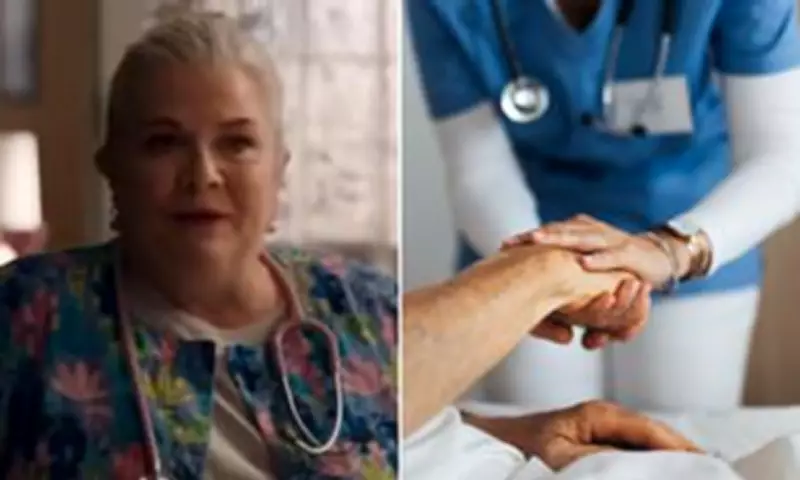
Hulu's Dying for Sex Viral Scene Earns Praise for Compassionate Death Depiction
A powerful scene from Hulu's acclaimed comedy-drama series Dying for Sex has captured widespread attention online, with bereaved viewers and medical professionals commending its authentic and sensitive portrayal of the dying process. The series, which debuted in 2025, stars Michelle Williams as Molly Kochan, a woman diagnosed with terminal metastatic breast cancer who leaves her 15-year marriage to explore her sexuality while confronting her mortality.
Viral Clip Features Hospice Nurse's Calm Explanation
Although the show premiered last year, a specific four-minute clip has recently surged in popularity across social media platforms. In this emotional segment, hospice nurse Amy, portrayed by Paula Pell, provides Molly and her family with a detailed, reassuring explanation of what happens as the body shuts down during the final stages of life.
Amy describes dying as "not a mystery, not a medical disaster," but rather a natural bodily process. She compares it to giving birth, coughing, or having an orgasm, emphasizing that "your body knows what to do." With an enthusiastic tone, she adds, "Your body knows how to die—how cool is that!"

Detailed Breakdown of the Dying Process
The nurse proceeds to outline the physical and psychological changes typically experienced in the weeks leading up to death:
- Decreased mobility, with patients stopping getting out of bed
- Reduced eating and drinking, accompanied by increased sleep
- Potential delirium and altered perception of time
- Transition into ketosis, which can decrease hunger and pain while increasing euphoria
Amy then explains the "active dying" phase, characterized by:
- Reduced consciousness and relaxed jaw muscles
- Changes in breathing patterns, including deep, slow breaths with long pauses
- Eventually, "a breath out that is not followed by a breath in"
Viewer Reactions and Professional Validation
The scene's resurgence online has prompted an outpouring of personal stories from viewers who have experienced similar situations with hospice workers. Comments include expressions of reduced fear about death, appreciation for hospice professionals, and recognition of the scene's emotional resonance.
Carla Harvey, an end-of-life doula and grief specialist at Parting Stone, provided expert analysis to the Daily Mail. While noting some television dramatization, Harvey confirmed that the core elements of Amy's description align with medical understanding of the natural dying process.
"She accurately depicts changes in breathing, awareness, and responsiveness and makes it relatable," Harvey stated. "What the show gets right is the emphasis on honest, compassionate explanation rather than hiding death behind fear or medical jargon."
Harvey emphasized that understanding the dying process can reduce fear and restore dignity to final moments. "Death is a natural part of life, and portrayals like this help bring humanity, dignity, and autonomy back into the final moments," she concluded.
The viral success of this scene highlights growing public interest in more open, honest conversations about death and dying, particularly through media that combines entertainment with educational value.