The sprawling world of Westeros takes a sharp and decidedly peculiar turn with HBO's latest offering, 'A Knight of the Seven Kingdoms'. Premiering on Sky Atlantic, this six-part series serves as the second major television spinoff from the 'Game of Thrones' franchise, but it deliberately veers away from the dynastic machinations of 'House of the Dragon'. Instead, it presents a smaller, stranger, and often scatological tale that is likely to polarise the franchise's dedicated fanbase.
A Modest and Mucky Westeros Adventure
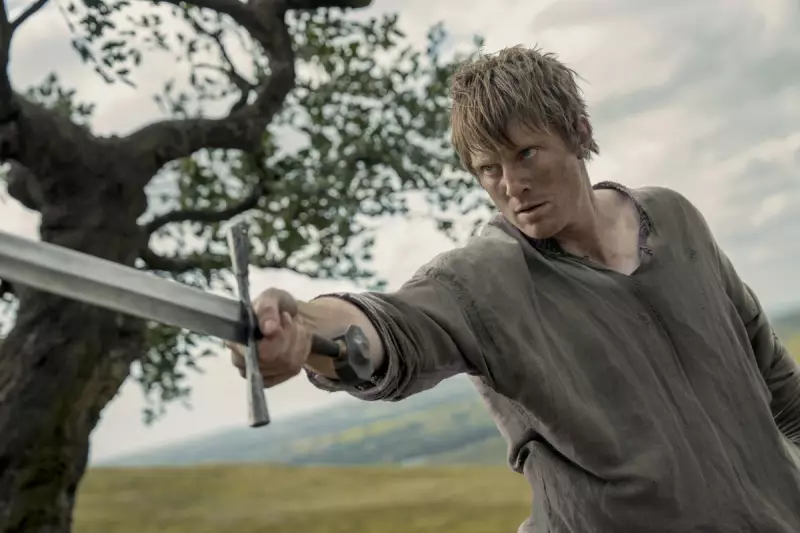
Based on George R.R. Martin's 'Dunk and Egg' novellas, the series is set approximately 89 years before the events of 'Game of Thrones'. It follows the unlikely duo of Ser Duncan the Tall, a lowly hedge knight played by Peter Claffey, and his young, bald squire 'Egg', portrayed by Dexter Sol Ansell. The premise promises a road-trip-style adventure through the Seven Kingdoms, but the execution is wilfully odd and nutrition-light compared to the epic feasts of its predecessors.
From the outset, the series establishes a tone of puerile humour and bodily function fixation. Blood, vomit, urine, and excrement are showcased with unabashed zeal, often within the first minutes of an episode. This gratuitous approach feels crasser than the provocative violence of the original series, serving more as shock for shock's sake than narrative depth. It's a conscious choice to lower the stakes and ramp up the rawness, creating a Westeros that feels grubbier and more mundane.

Performances in a Confounding Framework
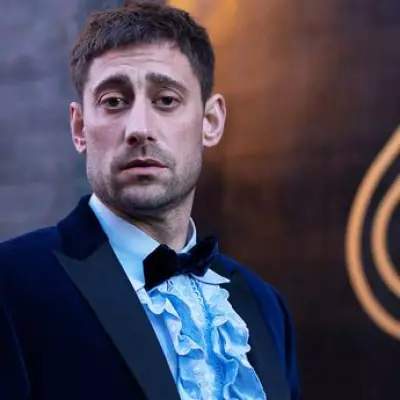
The cast navigates this unusual material with varying success. Peter Claffey embodies the physically ungainly Ser Duncan with an effective, awkward rawness, though he stands shorter than the towering figure of the books. Dexter Sol Ansell manages the tricky role of the precocious Egg, convincing in moments of sincerity but less so when delivering vulgar lines that seem beyond his years. In the supporting ranks, Daniel Ings steals scenes as the flamboyantly obnoxious Ser Lyonel Baratheon, a knight brimming with arrogant bravado.
Yet, despite these competent performances, the series struggles to justify its own existence as a major HBO production. It functions as a character piece, but neither Dunk nor Egg, in this initial season, proves compelling enough to anchor the narrative on their own. The world feels small, the conflicts minor, and the connection to the broader 'Game of Thrones' saga feels tenuous until the final episodes.
A Tonal Oddity That May Prove Too Divisive
For much of its runtime, 'A Knight of the Seven Kingdoms' operates in a bizarre tonal otherworld, feeling utterly separate from the franchise that spawned it. It is only when the violence escalates in the latter stages that a more familiar, 'Thrones'-like sensation emerges. This bold attempt to 'go smaller' within a blockbuster universe is arguably refreshing, a risk enabled by the franchise's scale.
However, the ultimate result is confounding. As a spinoff, it feels like a quirky footnote rather than an essential chapter. As a standalone series, its low-stakes narrative and obsession with bodily fluids may prove too jarring and insubstantial for many. While 'House of the Dragon' doubled down on epic tragedy, 'A Knight of the Seven Kingdoms' delivers a mud-spattered, oddball comedy that will likely baulk as many fans as it intrigues.