In a candid interview, Oscar-nominated actor Ethan Hawke has voiced significant criticism towards Hollywood superstar Tom Cruise, arguing that his penchant for performing death-defying stunts has established an unrealistic and potentially harmful precedent for the acting community. Hawke expressed concern that this trend pressures fellow actors into taking unnecessary risks, potentially compromising their safety in pursuit of cinematic authenticity.
Hawke's Critique of Cruise's Extreme Feats
Hawke, who recently earned an Oscar nomination for his work, highlighted the stark contrast between his own approach to stunts and that of Cruise. While Hawke performed his own stunts in his new film, The Weight, he emphasised that these were "human" and grounded in reality, not the "superhero things" associated with Cruise's repertoire. This distinction, he argued, underscores a broader issue in the industry where actors might feel inferior or compelled to emulate extreme feats, even when using professional stunt teams is a safer and more practical option.
The Impact on Actor Expectations and Safety
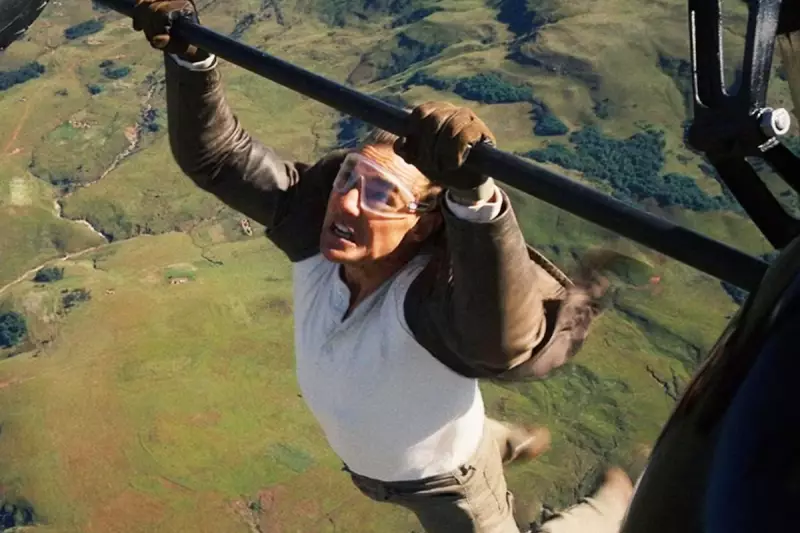
The discussion brings to light the growing pressure on actors to undertake dangerous physical challenges, driven in part by Cruise's highly publicised stunts in the Mission: Impossible franchise. Notable examples include hanging off a plane and holding his breath underwater for extended periods, which have set a high bar for action sequences. Hawke's comments suggest that this could lead to a culture where actors risk injury or worse, feeling they must match such standards to remain competitive or respected in their field.

Oscars to Introduce Best Stunt Design Category
Amidst this debate, the Academy has announced plans to introduce a Best Stunt Design category at the Oscars' 100th anniversary in 2028. This move is seen as a formal acknowledgment of the critical role stunt work plays in filmmaking, potentially shifting focus towards the artistry and skill of professional stunt performers rather than pressuring actors to take on hazardous roles themselves. It reflects an industry-wide recognition of the need to balance thrilling action with safety and professional expertise.
Broader Implications for Film Industry Standards
Hawke's remarks have sparked a wider conversation about the evolving standards in Hollywood, particularly in action genres. As films increasingly push the boundaries of physical spectacle, the line between actor and stunt performer becomes blurred. This raises questions about liability, training, and the ethical responsibilities of filmmakers to protect their cast. The introduction of the new Oscar category may encourage a more collaborative approach, valuing the contributions of stunt teams without diminishing the achievements of actors like Cruise.
In summary, Ethan Hawke's critique of Tom Cruise's stunt legacy highlights a pivotal moment in cinema, where the pursuit of realism must be weighed against actor welfare and industry norms. As the Oscars prepare to honour stunt design, this dialogue may pave the way for safer, more inclusive practices in film production.