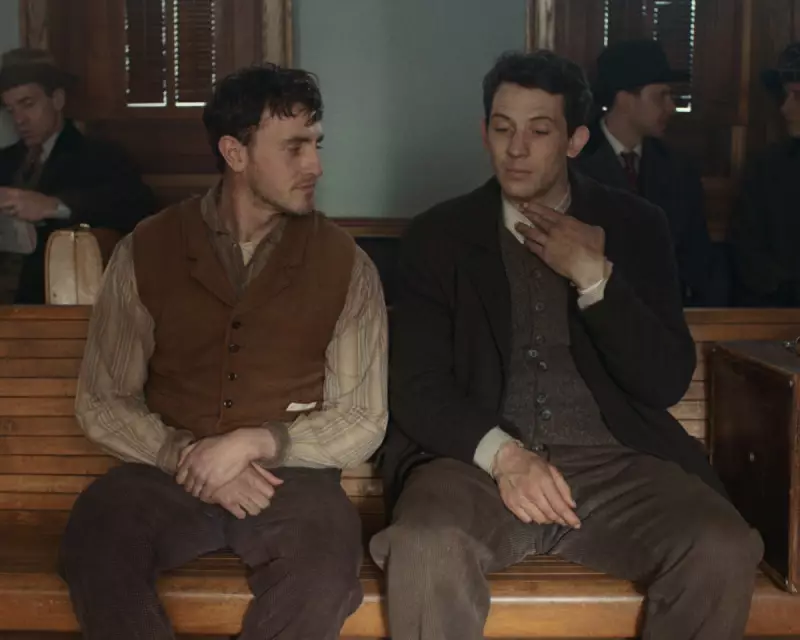
In a remarkable behind-the-scenes account, singer-songwriter Sam Amidon has detailed his pivotal role as the music adviser and singing coach for the acclaimed film The History of Sound. Tasked with transforming stars Paul Mescal and Josh O'Connor into convincing folk troubadours, Amidon embarked on an intensive three-week training regimen that culminated in live, on-camera vocal performances.
The Folk Foundation and Musical World
Amidon's deep-rooted connection to folk music provided the perfect foundation for this unique coaching assignment. Growing up in New England with parents who were folk educators, he was immersed in Appalachian fiddle tunes and songs from the British Isles from an early age. This background proved invaluable when approaching the film's musical requirements, which closely mirrored his own artistic world.
Screenwriter Ben Shattuck created comprehensive playlists to help the cast understand the film's musical landscape, set against the backdrop of the First World War. Amidon directed the actors toward authentic recordings from the era, including the work of Almeda Riddle, an Ozark ballad-singer renowned for her philosophy of "getting behind the song."

Transforming Actors into Seasoned Balladeers
The challenge was substantial: within just three weeks, Mescal and O'Connor needed to appear as if they had been singing folk music their entire lives. Mescal, hailing from Ireland, demonstrated an immediate affinity for the material, while O'Connor brought experience from musical theatre and choir singing to the table.
Amidon conducted their training sessions in a small shed-studio at the bottom of his London garden, where he observed the actors' remarkable dedication. "Actors make amazing students," Amidon noted. "They have little time so their attitude is: 'I need to get this now.'" He recalled specific moments of breakthrough, including O'Connor studying his vocal technique from inches away and Mescal's enthusiastic celebration when they mastered complex three-part harmonies.
The Emotional Connection of Vocal Performance
Teaching singing presented unique challenges compared to instrumental instruction. "The voice is much more intensely connected to your emotions than other instruments are," Amidon explained. His approach focused on helping the actors find comfort with their natural vocal sounds and overcome any apprehension about singing.
Preparatory recordings made in a New York studio served as references for on-set performances and helped heighten the actors' musical focus. Both stars engaged deeply with the material: O'Connor worked diligently on piano parts while Mescal developed harmonies, particularly connecting with the melancholic atmosphere of Silver Dagger.
Authentic Enthusiasm and Personal Connections
The actors' commitment extended beyond formal sessions, with Amidon hearing reports of them singing the songs through the streets after leaving the studio, mirroring their characters' musical journeys in the film. This genuine enthusiasm reminded Amidon of his own youthful musical adventures, including hitchhiking through Ireland while singing Talking Heads songs with friends.
Personal connections enriched the production further. During filming, cast and crew attended one of Amidon's concerts, where his mother spontaneously sang the Watersons' Country Life with Mescal joining in. Composer Oliver Coates incorporated an arrangement by Amidon's father, Peter Amidon, into the Oxford choir scene, creating a particularly meaningful connection given Peter's passing shortly after seeing the completed film.
The Magical Result and Lasting Impact
Viewing the finished film proved emotionally powerful for Amidon, who described the actors' singing as "moving and magical." Their performances avoided any sense of academic study or stylistic imitation, instead appearing completely natural and integrated into their characters' emotional journeys.
One particularly powerful scene features Mescal's character Lionel experiencing profound grief after his father's death, with folk music providing cathartic release during a bonfire gathering. Amidon hopes the film will inspire audiences to explore folk music more deeply, recognizing it as "the poetic record of people who would make up songs to sing to themselves as they worked or travelled."

These traditional ballads preserve emotional landscapes of working people from bygone eras, with themes of love and enduring pain that continue to resonate a century later. The History of Sound and its accompanying soundtrack album represent not just a cinematic achievement but a celebration of folk music's enduring power to connect across generations.