Lord of the Flies Review – A Bold, Brilliant Series That Will Terrify Parents
Jack Thorne returns with another horrifying exploration of teenage boys and violence in the first ever television adaptation of William Golding's influential novel Lord of the Flies. This four-part BBC series reimagines the classic tale for primetime audiences, delivering a powerful commentary on contemporary anxieties about masculinity and societal collapse.
A Timeless Tale Reimagined for Modern Times
Before discussions of toxic masculinity and colonial critique became mainstream, William Golding's Lord of the Flies presented a chilling vision of human nature. The story, which has been a classroom staple and adapted three times for film, follows a group of schoolboys stranded on an uninhabited tropical island after their aircraft crashes. What begins as an attempt to establish order quickly descends into primal savagery, raising profound questions about civilization and human nature.
The BBC's decision to adapt this narrative now speaks to its enduring relevance. As adapted by Jack Thorne, creator of Adolescence, the series shifts focus from imperial critique to an examination of patriarchy's fragility. The boys' microcosm society mirrors the adult world they've left behind, complete with power struggles, responsibility avoidance, and authority conflicts.

Characters and Performances
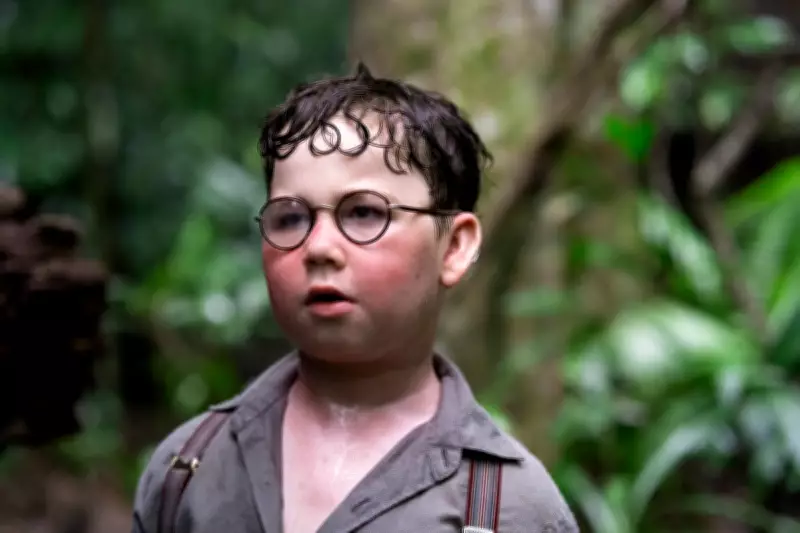
The series features Winston Sawyers as Ralph, the elected chief who blows the conch to gather the survivors. David McKenna delivers a particularly convincing performance as Piggy, Ralph's intelligent but bullied lieutenant. Lox Pratt portrays Jack, the runner-up in leadership who leads the hunters, while Ike Talbut plays Simon, the sensitive boy serving as mediator between factions.
These British children of the immediate postwar era initially maintain stiff upper lips, with Ralph declaring, "My father is in the navy, and he says there aren't any unknown islands left. The Queen has a picture of this island." However, thoughts of home quickly give way to survival instincts as their fragile society unravels.
Thematic Depth and Contemporary Resonance
Thorne's adaptation reignites public conversation about how we treat children and what we expose them to, exploring how these factors shape adulthood. The series renders the themes of Adolescence in parable form, demonstrating how the tormented, divided soul that exists in all people manifests even in children.
The boys, unshackled from adult influence and responsibility, behave like adults in miniature. They tussle for power, imagine exogenous terrors into existence, and rationalize their behaviors through survival logic. Their fathers—the men they will become—are present in these prepubescent castaways, illustrating Wordsworth's observation that "the child is father of the man."
Production and Direction
Unlike many adaptations that soften the material for younger audiences, this series makes no apology for being aimed at adults. Blood-soaked pig hunts, trippy hallucinations, and surges of sudden, shocking violence create a brutal atmosphere. The four-episode series, shot largely on location in Malaysia, feels feral and immersive.
While some elements show unevenness—particularly in the child performances that occasionally feel like school drama—the production is elevated by Cristobal Tapia de Veer's rousing score and Mark Wolf's arresting cinematography. Some technical choices, like fisheye photography and CGI wild pigs, don't entirely succeed, but the overall vision remains bold and ambitious.
Cultural Context and Audience Appeal
The BBC recognizes this narrative's resonance with Gen Z audiences, who consume social satires like The Hunger Games and Squid Game—both indebted to Golding's work. The basic premise even echoes popular games like Fortnite, though the adaptation maintains literary depth.
The challenge of casting almost entirely preteen actors playing off each other in jungle settings is largely overcome through strong casting. McKenna's Piggy and Pratt's unraveling Jack are particularly compelling, carrying the emotional weight of their characters' transformations.

A Terrifying Vision of Violence
"Fancy thinking the Beast was something you could hunt and kill," snarls the imagined monster as the boys descend into chaos. For the second time in a year after Adolescence, Thorne has created television that will terrify parents. In bold colors, Lord of the Flies depicts the often inscrutable journey to irreversible violence, all perpetrated by little boys with spindly limbs, unbroken voices, and wide, seemingly innocent eyes.
This adaptation doesn't just retell a classic story—it recontextualizes it for our current moment, asking uncomfortable questions about what happens when societal structures collapse and what lies beneath our civilized veneers.