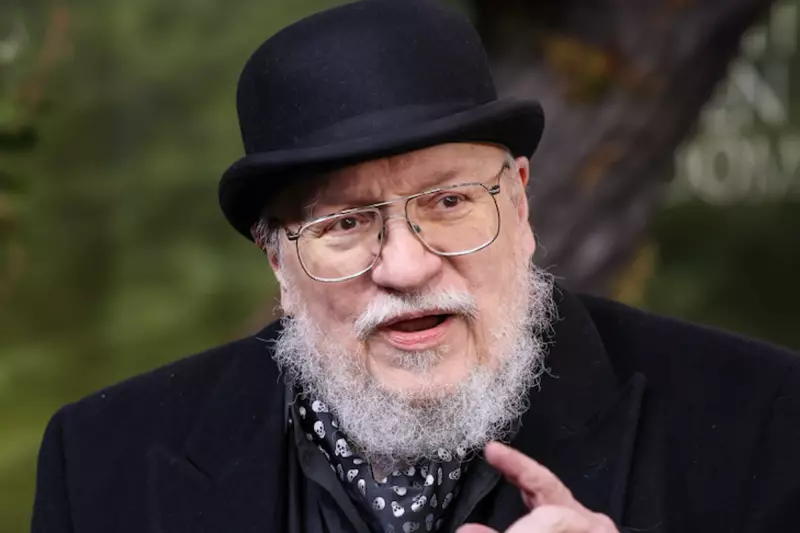
George R.R. Martin, the acclaimed author behind the Game of Thrones universe, has publicly expressed surprise and questioned the necessity of a particularly graphic scene in the opening episode of HBO Max's new prequel series, A Knight of the Seven Kingdoms.
Author's Unexpected Critique
In a notable departure from his usual support for adaptations of his work, Martin specifically referenced a scene depicting Ser Duncan the Tall, portrayed by actor Peter Claffey, projectile defecating behind a tree. This moment occurs after the character feels inspired to enter a jousting tournament. Despite Martin's own reputation for graphic and visceral storytelling throughout his literary career, he stated he typically does not write about such bodily functions at length.
The author directly questioned the creative choice, asking, "Where did this come from? I don't know if we really need the s***." This candid remark highlights his reservations about the scene's inclusion in the television adaptation.

Showrunner's Defence of Creative Choice
In response to Martin's critique, showrunner Ira Parker offered a detailed defence of the controversial scene. Parker explained that the intention was to visually portray Duncan's profound nervousness and to establish that he is "not a hero yet" at this early stage in the narrative.
Instead, the character is presented as a "nervy kid with a nervous stomach," with the graphic moment serving as a raw, humanising detail meant to ground the fantasy narrative. This creative decision aims to show a more vulnerable and relatable side to the knight before his journey truly begins.
Background of the New Series
A Knight of the Seven Kingdoms is based on Martin's 1998 novella, The Hedge Knight. The series is set approximately 90 years before the events of the original Game of Thrones and follows the adventures of the idealistic knight Ser Duncan the Tall and his young squire, Egg.
The production represents HBO Max's latest foray into expanding the immensely popular fantasy universe, aiming to capture audience interest with new characters and stories from Westeros's rich history.
This incident raises interesting questions about creative control and adaptation, particularly when an author's vision intersects with a television production team's interpretive choices. It remains to be seen how audiences will react to this graphic introductory moment when the series premieres.