I found myself in a nearly deserted Vue cinema at Westfield Stratford City in East London on a Friday afternoon, one of just five people scattered across the auditorium. We all instinctively claimed distant corners, avoiding any potential eye contact or interaction. The reason for our collective isolation? We were there to watch Melania, Amazon's controversial $75 million documentary about the former first lady, during its opening day screening.
A Fashion-Focused Propaganda Piece
What has been marketed as an intimate portrait of one of global politics' most enigmatic figures reveals itself to be something quite different. The film functions partly as propaganda for the Trump administration while simultaneously attempting to position Melania Trump as a fashion authority with particular expertise in hemlines and colour palettes. "I love black-and-white," she states in a notably robotic voiceover at one point. "I will move forward with purpose, of course, with style."
Style Over Substance
The documentary's opening sequences bear striking resemblance to Miranda Priestly's dramatic entrance in The Devil Wears Prada. Set to The Rolling Stones' "Gimme Shelter," the camera first focuses on Melania's signature red-bottomed Louboutin stilettos. A five-minute montage follows her striding from chauffeured vehicles, helicopters, and private planes, gliding through elevators while wearing oversized black sunglasses and offering practiced smizes into the middle distance.

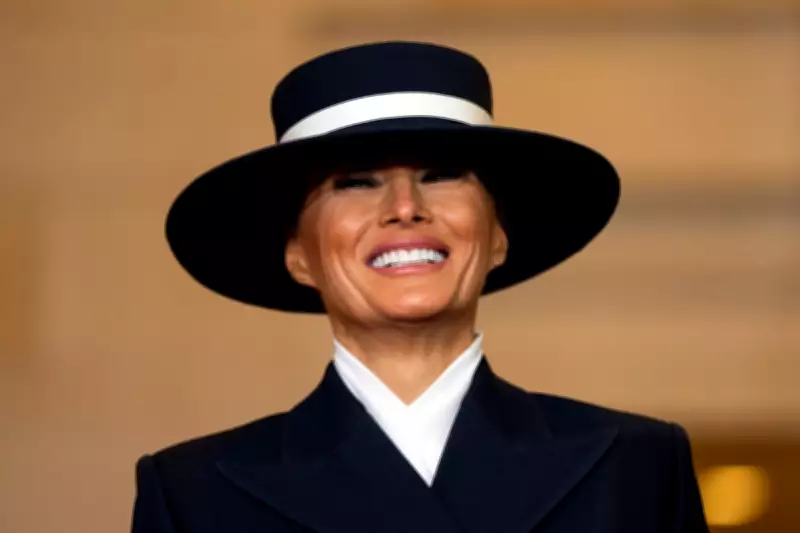
The narrative loosely follows the twenty-day period leading up to Donald Trump's second presidential inauguration. Viewers witness the protagonist attending high-stakes clothing fittings and consultations with interior designers and event planners, where her primary concern appears to be the precise flatness of her now-infamous Michael Jackson-esque inauguration hat.
The Real Agenda Emerges
Just as one begins contemplating whether this fashion-focused approach might preface Melania launching her own clothing line, the film abruptly shifts direction. The documentary reveals its true purpose: presenting the Trump administration as a modern-day Camelot of political power players.
B-roll footage from inauguration events repeatedly features Donald Trump alongside prominent tech billionaires including Amazon founder Jeff Bezos, Elon Musk, Mark Zuckerberg, and Tim Cook. Trump declares it's time to "straighten out the nation," while Melania appears regularly hand-in-hand with her husband, enthusiastically praising his political accomplishments. In one of her more revealing moments, she tells the camera: "People have tried to murder him, slander him and incarcerate him — I am so very proud of him."
Controversial Production Background
The documentary itself represents a significant political bargaining chip. Amazon reportedly paid approximately $40 million for the rights, with $28 million going directly to Melania Trump, followed by an additional $35 million promotion budget. The Trump administration provided full backing, with the former president hosting a private White House screening and the official premiere at the recently renamed Trump Kennedy Center.
Production faced considerable controversy, with reports indicating two-thirds of crew members requested anonymity due to their reluctance to be associated with the project. Further complications arose from director Brett Ratner's involvement; he hasn't worked since 2014's Hercules following multiple sexual misconduct allegations in 2017, all of which he has denied without facing formal charges.
More Questions Than Answers
After 104 minutes of viewing, what insights did the documentary provide about its subject? Remarkably few. Melania Trump reveals minimal personal information throughout the film, though viewers do learn that Michael Jackson ranks as her favourite recording artist and "Billie Jean" stands as her preferred song—she apparently knows all the lyrics.

The documentary leaves virtually every question about the former first lady completely unanswered. If anything, viewers depart with longer lists of queries than they brought into the cinema. When the credits finally rolled at the Vue screening, the four remaining audience members coordinated deliberately staggered exits, ensuring no opportunity for conversation or eye contact. What meaningful discussion could possibly follow such an opaque and puzzling cinematic experience?