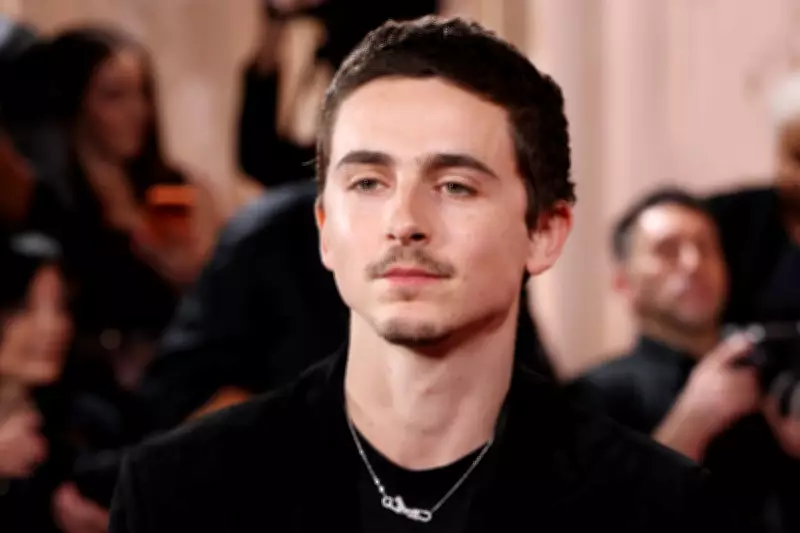
In a revealing discussion about his directing philosophy, acclaimed filmmaker Christopher Nolan has disclosed a candid moment of artistic disagreement with actor Timothée Chalamet during the production of the 2014 science fiction epic, Interstellar. The conversation emerged during a recent screening event where Nolan reflected on his collaborative process with the cast.
Initial Disapproval of a Key Performance
Nolan recalled a specific scene in which Chalamet, portraying a younger version of the character later played by Casey Affleck, was required to record emotional messages for his on-screen father. The director expressed that he felt Chalamet's interpretation, which he described as having a "dark tone," was "too much" for the emotional context of the moment. At the time, Nolan directly communicated his dissatisfaction to the young actor, even stating that he "didn't particularly like" the acting choice Chalamet had made.
A Shift in Perspective Over Time
However, Nolan's initial criticism was not the final word on the performance. Upon further reflection and viewing the completed film, the director came to appreciate the unique quality Chalamet brought to the role. He acknowledged that the actor's "dark tone" provided an essential "edge" that remarkably complemented and set the stage for Casey Affleck's subsequent portrayal of the older character. This layered performance added depth to the narrative's exploration of time, family, and sacrifice.

Clarifying Nolan's Directing Methodology
Nolan took this opportunity to clarify his approach to working with actors, emphasising that his method is not about granting performers complete "free rein." Instead, he focuses on creating an environment where actors feel empowered to bring their own unique perspectives and interpretations to the script. This collaborative yet guided process aims to harness individual creativity while ensuring it serves the film's overall vision.
The director's revelation highlights the dynamic and sometimes contentious nature of creative collaboration in filmmaking, where initial disagreements can evolve into respected artistic contributions that enhance the final product.