Oscars 2026: 'One Battle After Another' Wins Best Picture Amid Global Tensions
Oscars 2026: 'One Battle After Another' Wins Best Picture (17.03.2026)

The 98th Academy Awards: A Ceremony of Contrasts and Hope

The 98th Academy Awards unfolded on Sunday night, presenting a stark contrast between celebration and the underlying global anxieties of our time. Host Conan O'Brien set the tone with a playful entrance, chased by children, yet his opening monologue acknowledged the delicate balance required for the evening.

Conan O'Brien's Hopeful Message

In his monologue, O'Brien stated: "We pay tribute tonight, not just to film, but to the ideals of global artistry, collaboration, patience, resilience and that rarest of qualities today — optimism. We're going to celebrate. Not because we think all is well, but because we work, and hope for better." This sentiment echoed throughout the ceremony, which grappled with themes of conflict, political instability, and the looming impact of artificial intelligence on the film industry.

'One Battle After Another' Triumphs

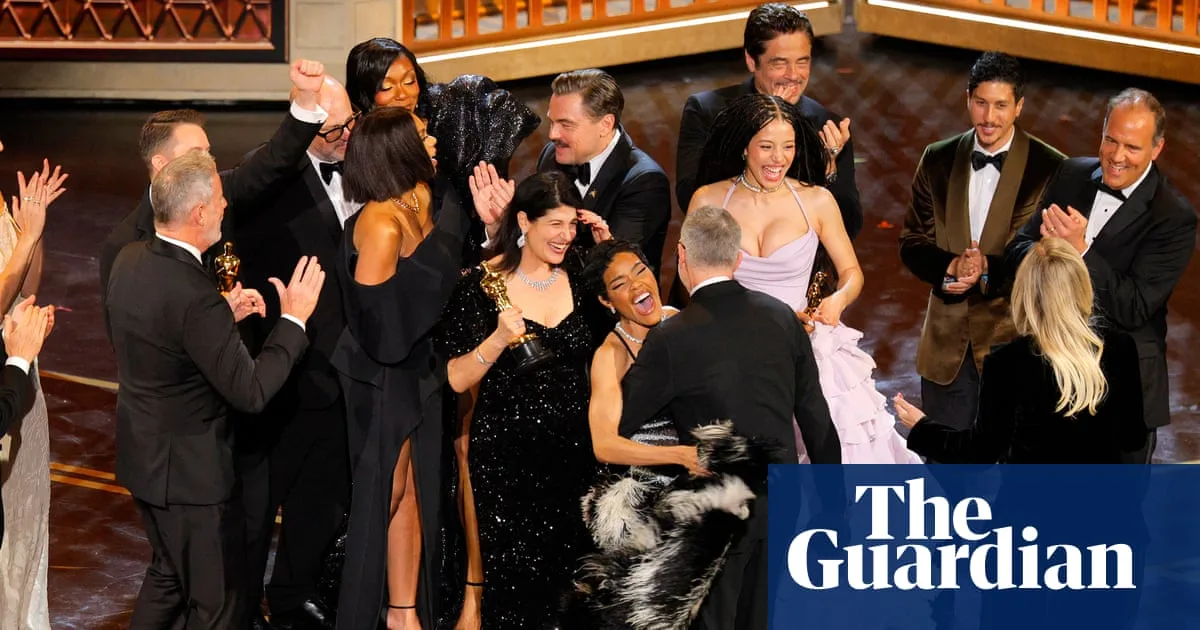
Paul Thomas Anderson's "One Battle After Another" clinched the coveted best picture award, securing six Oscars in total. The film, a powerful father-daughter narrative exploring revolution, immigrant detention, and white supremacy, felt acutely relevant to the present moment. Its triumph underscored its resonance with contemporary global challenges, marking a significant departure from the 2003 Oscars when "Chicago" won during the Iraq War.

Backstage, Anderson, who won his first Oscars for best director and best adapted screenplay after a 30-year career, reflected on the film's timeliness. "Our film obviously has a certain amount of parallels to what's happening in the news every day," he said. "But I know that the end of our movie is our hero, Willa, heading off to continue to fight against evil forces, and, I think, like I said in my speech, bring at least common sense and decency back into fashion."

Hollywood's Shifting Landscape

The connection between on-screen narratives and current events made the 98th Oscars an appropriately destabilized affair. Films like the apocalyptic road movie "Sirāt," the Iranian revenge drama "It Was Just an Accident," and Ryan Coogler's "Sinners" also reflected the moment. Warner Bros., the studio behind "One Battle After Another" and "Sinners," took home a record-tying 11 Oscars, but this success came amid rapid industry changes.

The studio has agreed to be acquired by David Ellison's Paramount Skydance in a deal worth $111 billion, following trends of consolidation that have seen MGM acquired by Amazon and 20th Century Fox bought by Disney. This contraction has led to fewer jobs and a significant decline in film production in Los Angeles.

Political Undertones and Future Concerns

While many winners avoided overt politics, with neither "Iran" nor former President Donald Trump mentioned during the broadcast, some were more direct. Presenter Javier Bardem stated forthrightly: "No to war, and free Palestine." Similarly, Pavel Talankin, accepting the best documentary Oscar for "Mr. Nobody Against Putin," urged: "In the name of our future, in the name of all of our children, stop all of these wars now."

Jessie Buckley, best actress winner for "Hamnet," cast her eye to children, including her eight-month-old daughter, while director Joachim Trier, winning best international film for "Sentimental Value," paraphrased James Baldwin: "All adults are responsible for all children. Let's not vote for politicians who don't take this seriously into account."

The Future of Cinema

O'Brien humorously addressed industry challenges, calling himself "the last human host" of the Oscars, which will move from ABC to YouTube in three years. Segments spoofed iconic films adapted for smartphone formats and dumbed down for streaming audiences, highlighting the difficulties facing Hollywood's traditional model.

Timothée Chalamet's concern about movies becoming like opera or ballet reflected genuine worries for the medium's future. Trier noted: "The theatrical experience is something that's a little bit vulnerable right now." Yet, the win for "One Battle After Another" suggests that films addressing current anxieties can still resonate deeply, ending with its protagonist rushing to a protest as Tom Petty's "American Girl" plays—a symbol of hope amid turmoil.