Paul Mescal's The History of Sound Falls Short as a Sentimental Misfire
Despite considerable anticipation surrounding the romantic pairing of Irish actor Paul Mescal and Josh O'Connor, The History of Sound emerges as a disappointingly anticlimactic and sentimental misfire from director Oliver Hermanus, known for Living. The film, which premiered on Thursday 22 January 2026, fails to live up to the hype, delivering a narrative that feels slight and emotionally underwhelming.
A Brief Encounter That Lacks Depth
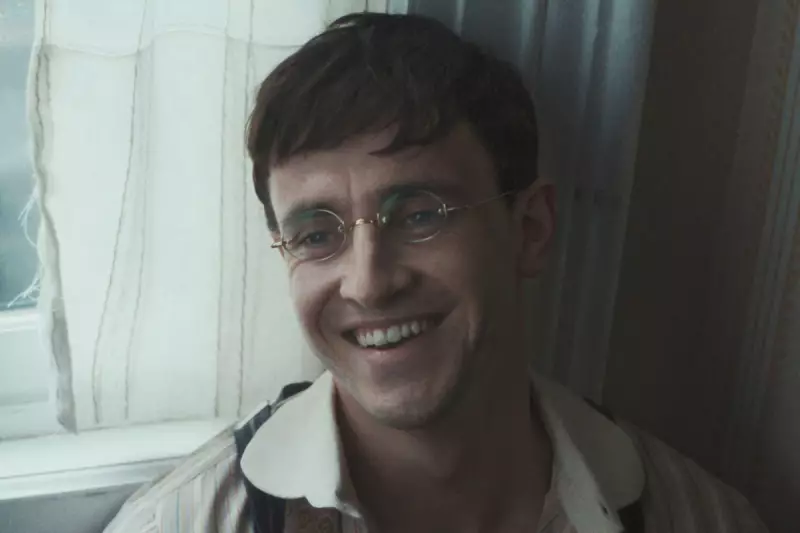
Set in 1917, the story follows Kentucky farm boy Lionel, portrayed by Paul Mescal, as he meets the worldly David, played by Josh O'Connor, at a Boston music conservatory. Adapted from Ben Shattuck's short story, the screenplay attempts to explore a fleeting encounter that shapes a lifetime, but it struggles to convey a compelling love story. The initial meet-cute, where Lionel sees colours in sound and is captivated by David's piano playing, sets a promising tone, yet the film never delves deeply into the characters' bond.
Director Oliver Hermanus, with cinematography by Alexander Dynan, employs a stately visual style that highlights the natural beauty of settings like rural Maine, with crisp leaves and sparkling lakes. However, this aesthetic fails to compensate for the lack of emotional resonance. The rapport between Mescal and O'Connor progresses from polite to familiar but never convincingly reaches love, leaving viewers with a sense of detachment.

Narrative Flaws and Missed Opportunities
As the film spans from 1910 to 1980, tracking Lionel's journey from Kentucky to various global locations, it becomes increasingly episodic and anonymous. Key elements, such as the backdrop of the First World War and Lionel's family dynamics, are introduced as lifeless additions rather than integral plot points. The folk music motif intended to enrich the story instead feels like unnecessary padding during lulls in the narrative.
In contrast to successful romantic dramas like Normal People or One Day, which masterfully depict intense connections over time, The History of Sound falters in making David feel like a significant lost love. Instead, he comes across as a transient influence in Lionel's life, undermining the film's emotional core. Subtle moments, such as David collecting feathers from Lionel's pillow as a secret act of care, are rare highlights in an otherwise flawed execution.
Conclusion: A Film That Loses Its Pulse
Ultimately, The History of Sound gestures towards a sweeping epic but loses the pulse of its material amidst lavish window dressing. With a runtime of 127 minutes and a 15 certificate, it features supporting performances from actors like Chris Cooper and Molly Price, yet fails to capitalise on its potential. Released in cinemas from 23 January, this film serves as a cautionary tale about the challenges of adapting poignant ideas into compelling cinema without sacrificing depth and passion.