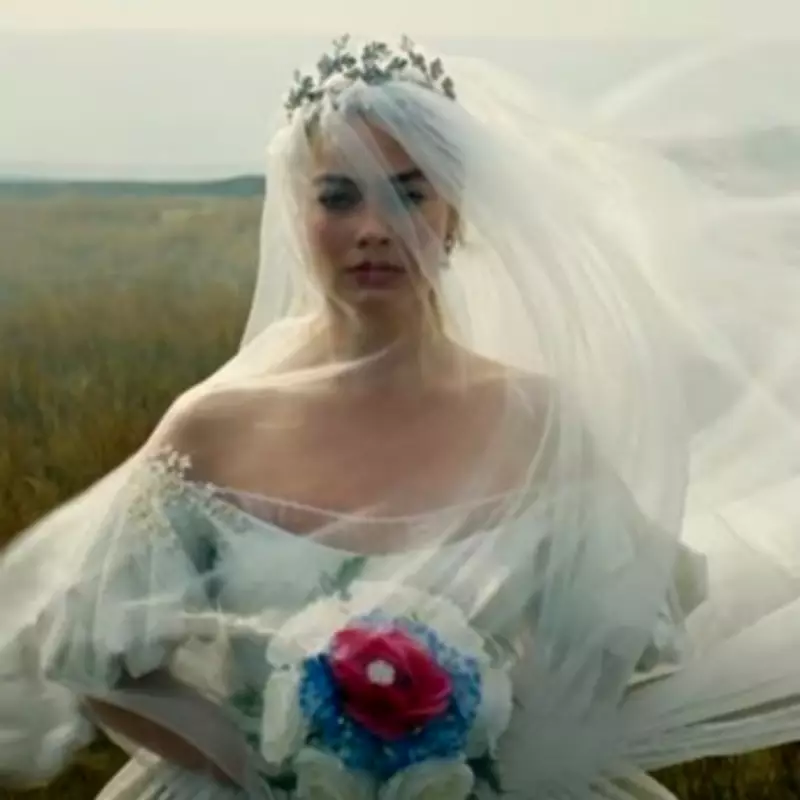
The cinematic landscape is abuzz with speculation as Emerald Fennell's opulent new adaptation of Emily Brontë's classic novel, Wuthering Heights, arrives in theatres. Starring Margot Robbie as the passionate Catherine Earnshaw and Jacob Elordi as the brooding Heathcliff, this interpretation has immediately captivated audiences with its bold aesthetic choices.
A Timeless Tale Reimagined
First published in 1847 under Brontë's pseudonym Ellis Bell, Wuthering Heights remains a powerful narrative of obsessive love, bitter revenge, and rigid class divisions. The story follows the intense, tragic relationship between Catherine Earnshaw and Heathcliff, an orphan discovered on the streets of Liverpool and brought to the Earnshaw family's remote Yorkshire farmhouse, Wuthering Heights.
Despite their profound connection, Catherine chooses to marry the socially respectable Edgar Linton, believing his wealth and status might help elevate Heathcliff from the abuse he suffers at the hands of her brother, Hindley. Heathcliff, misunderstanding her motives, vows vengeance, setting in motion a chain of devastating consequences for all involved.

A Lavish and Glamorous Vision
Fennell's version distinguishes itself through its lavish production design and glamorous, non-traditional costumes. Departing from the gritty, moorland realism often associated with the novel, the film features striking set pieces and a visually sumptuous palette that has become a major talking point.
On social media platforms like Reddit, fans have been dissecting the trailer and promotional images, leading to a surge of creative and outlandish theories about the film's true nature.
The Dollhouse and Barbie Connection
One prominent theory suggests the film employs a dollhouse framing device. Fans point to specific shots in the trailer, including an eerie dollhouse interior and a conspicuously oversized strawberry, as evidence.
"My theory is the framing device is that it is being acted out by dolls in a dollhouse," explained one Reddit user, sparking a wave of agreement. This idea quickly dovetailed with Margot Robbie's recent iconic role as Barbie, leading many to speculate about a potential connection.
"So the sequel to Barbie? Sign me up," one fan quipped. Another humorously labelled it "Barbie's gritty reboot," suggesting Fennell's film could be a clever, meta-textual follow-up to Greta Gerwig's blockbuster.
The Kate Bush Influence Theory
In a separate thread, another fan proposed a different artistic inspiration. They theorised that Fennell's adaptation is less a direct take on Brontë's novel and more an expansion of Kate Bush's iconic 1978 music video for her song "Wuthering Heights."
"It's the vibe of the music video with Kate Bush dancing in the red dress on the moors, but expanded into an entire film," the user suggested. This interpretation resonated with others, who noted the film's stylised, almost dreamlike aesthetic aligns perfectly with Bush's visionary and theatrical approach.
"Seeing your theory makes perfect sense to me," replied another user. "Kate's video and aesthetic are iconic, so they've clearly taken inspiration from that 'version' of Wuthering Heights."
Whether viewed as a potential Barbie universe extension, a homage to Kate Bush, or simply a daring new cinematic vision, Emerald Fennell's Wuthering Heights has successfully reignited passionate discussion around a literary classic, proving its themes and characters remain as compelling and open to interpretation as ever.