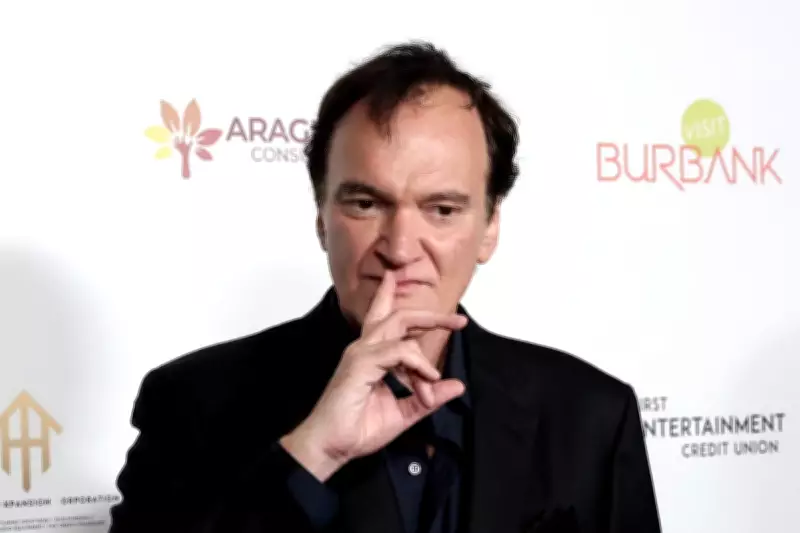
In a recent development, actress Rhea Seehorn, renowned for her role in Better Call Saul, has publicly opposed filmmaker Quentin Tarantino's controversial stance on television. Tarantino, during an appearance on the Joe Rogan Experience, labelled television as a "forgettable" medium when contrasted with the lasting impact of cinema.
Seehorn's Rebuttal on Storytelling
Seehorn countered this view by asserting that the essence of storytelling transcends the format in which it is presented. She argued that what truly resonates with audiences is the narrative quality, not whether it is delivered through film or television. This perspective highlights a growing debate within the entertainment industry about the artistic merit of different media.
Support from Vince Gilligan
Vince Gilligan, the creator of Better Call Saul, backed Seehorn's position. He cited numerous classic television series that have remained memorable and influential over the years, challenging Tarantino's dismissive remarks. This support underscores a broader consensus among television creators and actors who value the medium's capacity for deep, engaging narratives.

Tarantino's History of Controversial Statements
This incident is not the first time Tarantino has sparked controversy with his opinions. In 2025, he faced backlash for criticizing actor Paul Dano's performance in the film There Will Be Blood, further cementing his reputation for outspoken and divisive views in Hollywood.
Seehorn's Current Success
Rhea Seehorn currently stars in the sci-fi series Pluribus, created by Vince Gilligan, which premiered in 2025. Her performance in the show earned her a Golden Globe for Best Female Actor in a Television Series Drama in 2026, demonstrating the critical acclaim and memorability that television can achieve. This achievement serves as a tangible rebuttal to Tarantino's claims about the medium's forgettability.
The ongoing discourse between Seehorn and Tarantino reflects deeper tensions in the entertainment world regarding the evolution and recognition of television as a legitimate art form. As streaming platforms and series continue to gain prestige, such debates are likely to persist, influencing how both creators and audiences perceive storytelling across different formats.