Saturday Night Live UK Premieres Amidst Controversy and High Expectations
This weekend marks the long-awaited debut of Saturday Night Live UK on Sky, following an extensive promotional campaign that has generated significant buzz and division within the British comedy landscape. The show arrives with a level of pre-emptive skepticism rarely seen before a single episode airs, with online commentators already dissecting every promotional detail—even a simple advert spelling out "SNL" in baked beans—as potential evidence of an impending failure.
The High-Wire Act of Adapting an American Institution
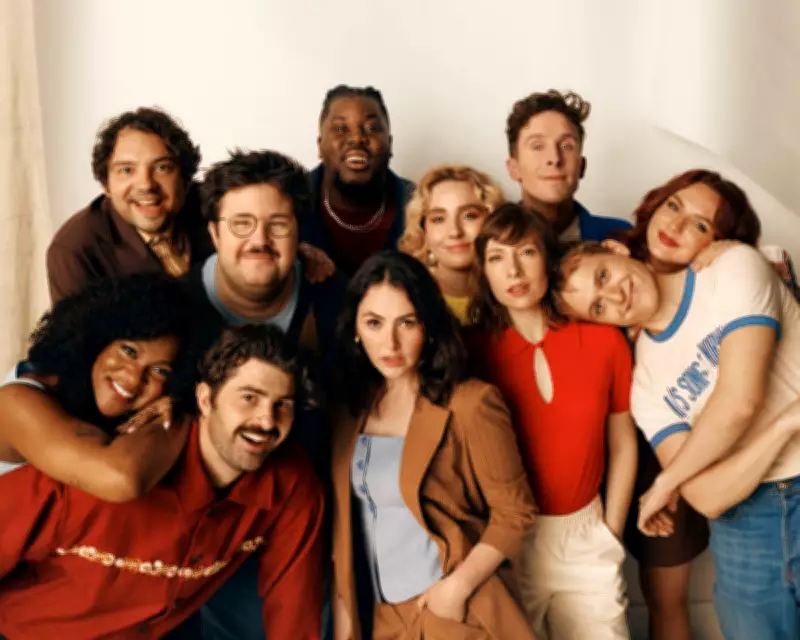
Creating a live weekly comedy show is challenging enough, but SNL UK carries the additional burden of living up to its legendary American predecessor, arguably the United States' most famous comedy export. The involvement of original SNL creator Lorne Michaels as executive producer provides a reassuring presence, while the writing staff includes members of the acclaimed sketch group Sheeps, suggesting creative potential. However, the fundamental question remains: can this adaptation successfully navigate between American comedic traditions and British humour without becoming a transatlantic mishmash that appeals to neither audience?
Learning from Other International Comedy Franchises
While SNL UK might not find direct parallels with other shows, examining successful international adaptations offers valuable insights. The Last One Laughing franchise, originating in Japan and now produced in over thirty countries, demonstrates how formats can be localized while maintaining core elements. As Graham Norton noted about the Irish version, successful adaptations embrace national specificity—incorporating local references and humour that resonate deeply with domestic audiences rather than attempting to cater to vague international sensibilities.

The UK edition of Last One Laughing on Prime Video exemplifies this approach, with its first series featuring distinctly British comedic styles ranging from Bob Mortimer's surrealism to Judi Love's raucous humour. The show's most viral moment involved a mock presentation about the RNLI—a specifically British reference that demonstrated confidence in its domestic audience.
Historical Precedents and Current Strategies
Britain's previous attempt at adapting the SNL format—Channel 4's 1980s series Saturday Live—largely abandoned the American template in favour of British variety traditions and the emerging alternative comedy scene. Ben Elton's politically charged standup segments, which became the show's most successful element, would have been entirely out of place on the original SNL.
Early indications suggest SNL UK will maintain more structural connections to its American counterpart while incorporating British sensibilities. The Weekend Update segment will be adapted with a British focus, and Tina Fey's hosting of the premiere episode establishes a clear transatlantic link. Cast member Celeste Dring has hinted at a distinctly British approach, suggesting the show will be "more open to the absurd and maybe the trivial" and willing to "flirt with the darkness a bit more."
The Stakes for British Comedy Television
The success or failure of SNL UK carries significant implications for the British television industry. A successful adaptation could demonstrate that iconic American formats can be effectively localized without losing their essence, potentially opening doors for more international collaborations. Conversely, a poorly received version might reinforce skepticism about cross-cultural comedy adaptations and discourage future ventures.
As the show prepares for its live premiere, the creative team faces the delicate task of honouring SNL's legacy while establishing a unique British identity. The presence of promising young comedians and experienced writers provides grounds for optimism, but the ultimate test will be whether audiences embrace this ambitious fusion of comedic traditions.