ITV's dramatic 'Corriedale' crossover event between Coronation Street and Emmerdale may have drawn millions of viewers, but a leading PR expert has issued a stark warning to producers: relying on high-octane stunts risks diluting the soaps' long-term impact.
The Historic Crossover and Viewer Reaction
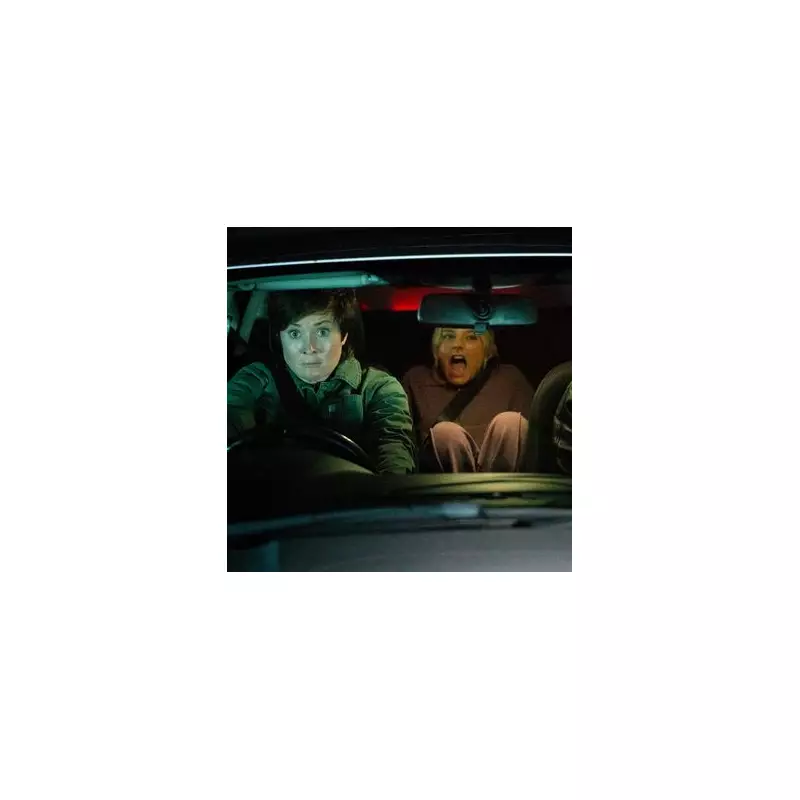
This week, television history was made as the fictional worlds of Coronation Street and Emmerdale collided in a special episode. The plot, which saw characters from both soaps involved in catastrophic car crashes, resulted in the death of Weatherfield vicar Billy Mayhew (Daniel Brocklebank) and the murder of Emmerdale's serial killer John Sugden (Oliver Farnworth).
The event was part of ITV's new 'soap power hour' scheduling, introduced after both shows saw a reduction in their weekly episodes. The gamble paid off in immediate ratings, pulling in an impressive 4.7 million overnight viewers.

The Peril of Prioritising Spectacle Over Story
Despite the ratings success, Kayley Cornelius, a Celebrity PR Specialist at Press Box PR, cautions that such events are not a sustainable strategy. "There's definitely a risk," she told The Mirror. "When every storyline is framed as a major event, it can feel overwhelming. The magic of soaps like Coronation Street has always been found in the quieter, character-driven moments that reflect everyday life."
She argues that while stunts like the 2010 tram crash for Coronation Street's 50th or Emmerdale's 1993 plane crash are memorable, overuse makes them repetitive. "Big stunts should enhance the show, not define it. If explosions and dramatic twists become too frequent, they risk losing impact."
Adapting to the Streaming Age and Budget Pressures
The challenge for the soaps is multifaceted. The television landscape has transformed since Coronation Street's record 27 million viewers tuned in for Hilda Ogden's exit on Christmas Day 1987. Today, they compete with global streaming giants like Netflix and Disney+.
Cornelius notes that soaps must lean into their core strengths—routine, familiarity, and long-term storytelling—while adapting. "Making episodes easily accessible on demand, investing in strong digital promotion and ensuring storylines are easy to pick up even if viewers miss episodes will be crucial going forward."
The crossover also aired amidst significant ITV budget cuts, which have seen daytime shows move to smaller studios and reports of sweeping cast reductions across both soaps. Cornelius suggests the timing of 'Corriedale' was "strategic," serving as an efficient way to maximise resources and reinforce the value of ITV's flagship brands during a period of change.
The Future: Digital Engagement and Younger Audiences
For the soaps to endure, Cornelius insists bosses must focus on enticing a younger demographic. "Younger audiences consume content differently... Bosses need to meet them where they are – through social clips, strong online storytelling, and characters that feel relevant to modern life."
Currently, Coronation Street's Instagram leads with almost 790,000 followers, while Emmerdale has just under 650,000. Leveraging these platforms is seen as key.
While Cornelius reassures fans that soaps are "not going anywhere overnight," her advice is clear: balance impactful, issue-led stories—like Debbie Webster's dementia or Todd Grimshaw's abuse—with the everyday drama that built their loyal fanbase. The path to survival lies not in constant explosions, but in evolution, accessibility, and rediscovering the power of the quiet moment.