Taxi Driver at 50: A Timeless Exploration of Urban Alienation
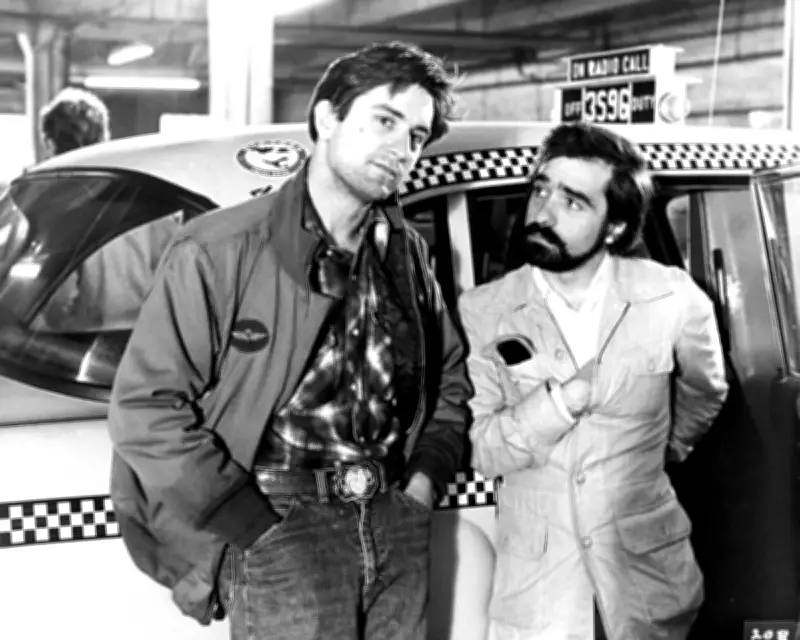
As Taxi Driver marks its 50th anniversary, screenwriter Paul Schrader delves into the creation of Martin Scorsese's incendiary New York nightmare. The film, starring Robert De Niro, Jodie Foster, Harvey Keitel, and Cybill Shepherd, remains a masterpiece of urban alienation, following Travis Bickle, a lonely Vietnam war veteran turned taxi driver who descends into violence.
The Inspiration Behind Travis Bickle
Schrader, now 79, wrote the screenplay during a personal crisis at age 26. "I lost my job, left my wife, was drinking considerably, living in my car, and had a gun," he recalls. Hospitalised with a bleeding ulcer, he envisioned a taxi cab as a metaphor for his isolation: "I'm this kid locked up in this yellow box floating in the sewer, absolutely alone." He drew from European existential literature, aiming to bring the "underground man" to film, exorcising his own demons to avoid becoming like Bickle.
Production Challenges and Iconic Moments
Schrader completed the first draft in just 10 days, offering it to Brian De Palma, who passed it to Scorsese. Initially, Harvey Keitel was favoured for the role of Bickle, but producers Julia and Michael Phillips advocated for De Niro after seeing Mean Streets. The studio forced changes, such as making the pimp character white to avoid potential riots, leading to Keitel's casting as Sport.

Improvisation played a key role, most famously in the mirror scene where De Niro ad-libbed "You talkin' to me?" Scorsese desaturated the final shootout's blood to secure an R rating, and composer Bernard Herrmann completed the score hours before his death.
Release and Cultural Impact
Released on February 8, 1976, Taxi Driver faced mixed reactions, including boos at Cannes, but won the Palme d'Or. It resonated deeply with disaffected youth, a connection highlighted when a fan confronted Schrader, asking how he knew about "us." The film's influence extended to real-life events, such as John Hinckley's assassination attempt on President Ronald Reagan, inspired by his obsession with the movie.
Modern Relevance and Legacy
Schrader notes that today, Bickle would likely be an incel, exploring dark online communities. "These lonely kids now fester in their rooms and talk to others," he reflects, questioning whether this alleviates or heightens their psychosis. The film endures as a time capsule of 1970s America, capturing post-Watergate and Vietnam disillusionment.
Critic Richard Brody describes it as a requiem for the era's political frenzies, with Scorsese channelling volatile energies into cinema. Schrader concludes that each generation discovers Taxi Driver at around age 15, finding it a transformative experience beyond mere action. As Scorsese and De Niro continued their illustrious careers, this film remains a Dutch miniature of cinematic art, immortalising a moment of societal breakdown.