Ryan Murphy's The Beauty Marks a Triumphant Return to Form
Following the critical disaster of All's Fair, Ryan Murphy has spectacularly redeemed himself with The Beauty, an eleven-part series that represents a powerful return to his signature storytelling prowess. This body horror masterpiece, now streaming on Disney+, combines visceral terror with sharp societal critique, delivering what may be his most compelling work since the acclaimed American anthology series that defined his earlier career.
A Lethal Beauty Virus Unleashes Catwalk Carnage
The series opens with supermodel Bella Hadid's character creating chaos at a fashion show, violently attacking paparazzi and desperately searching for water to quench an unnatural thirst. This explosive introduction sets the stage for a global epidemic where infected individuals become spectacularly beautiful before meeting spectacularly gruesome ends. Based on the comic book by Jeremy Haun and Jason A Hurley, the narrative follows FBI agents Jordan Bennett (Rebecca Hall) and Cooper Madsen (Evan Peters) as they investigate this mysterious sexually transmitted disease.
Newspaper headlines scream "Catwalk Carnage!" as the world witnesses an unprecedented wave of exploding supermodels, with victims either bursting bloodily across city streets or burning from within to leave only charred remains in expensive beds. The investigation reveals deeper layers as the agents navigate their own complicated personal relationship while confronting a phenomenon that challenges everything they understand about beauty and mortality.

Biting Social Commentary Through Horror
The Beauty functions as a sophisticated satire targeting unrealistic beauty standards, Ozempic culture, and the insidious pressures of Western aesthetics. Detective Jordan Bennett's recent breast implants, a response to childhood bullying, demonstrate how even FBI agents with guns and badges remain vulnerable to societal beauty expectations. This theme expands through Jeremy's storyline, where a plastic surgeon diagnoses him as an incel before offering transformation through the mysterious virus.
The series introduces tech billionaire Byron Forst (Ashton Kutcher), known as the Corporation, who created the beauty virus alongside his associate the Assassin (Anthony Ramos). Their struggle to control the chaos they've unleashed provides cutting commentary on technological hubris and corporate responsibility. The narrative cleverly explores how a beauty-enhancing virus spread through sexual contact proves impossible to manage, despite its creators' intentions.
Standout Performances and Visual Splendour
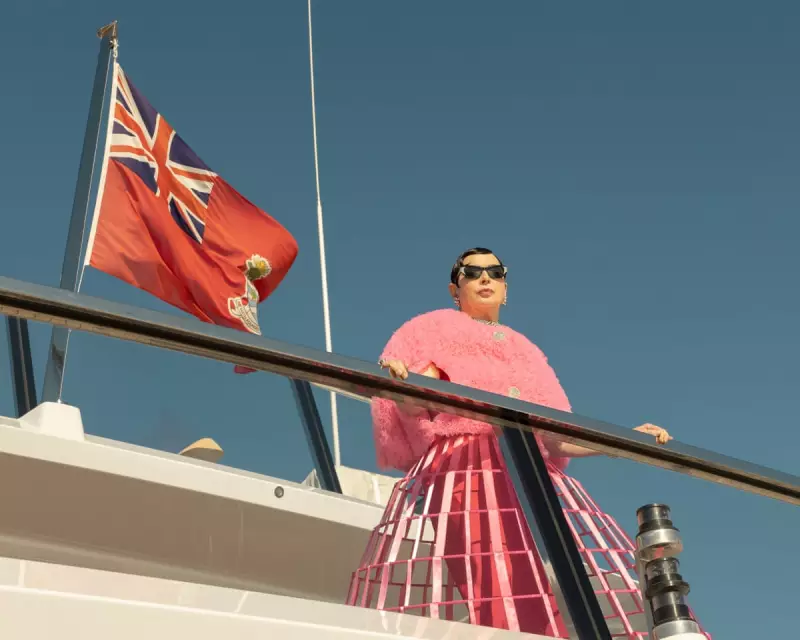
Isabella Rossellini delivers a magnificent performance as Franny Forst, appearing in what can only be described as the most incredible wardrobe television has seen this year. Her opening scene alone justifies the entire viewing experience, with her character's potential connection to Byron Forst adding intriguing narrative possibilities. The chemistry between Rossellini and Kutcher creates moments of such delicious tension that viewers might genuinely feel lightheaded from the sheer quality of their interactions.
Rebecca Hall and Evan Peters bring depth to their FBI investigator roles, balancing professional detachment with personal vulnerability. Jeremy Pope's portrayal of Jeremy evolves from isolated basement dweller to transformed individual, capturing the series' central themes about identity and societal pressure. The production design and visual effects work in harmony to create both the glamorous fashion world and the horrifying consequences of the beauty virus.
A Return to Binge-Worthy Storytelling
The Beauty represents Ryan Murphy's successful return to the bingeable television that made his reputation, harking back to the quality of Nip/Tuck while exploring contemporary concerns. The series maintains a consistent tone that balances horror with humour, social commentary with character development, and visual spectacle with emotional depth. While individual episodes might vary in intensity, the overall experience justifies rounding up to a four-star rating out of sheer relief that Murphy has rediscovered his creative form.

The series demonstrates that Murphy remains at his best when combining genre elements with societal observation, creating television that entertains while provoking thought. With its perfect blend of body horror, fashion industry satire, and character-driven narrative, The Beauty establishes itself as essential viewing for anyone interested in intelligent, visually stunning television that doesn't shy away from difficult subjects.